
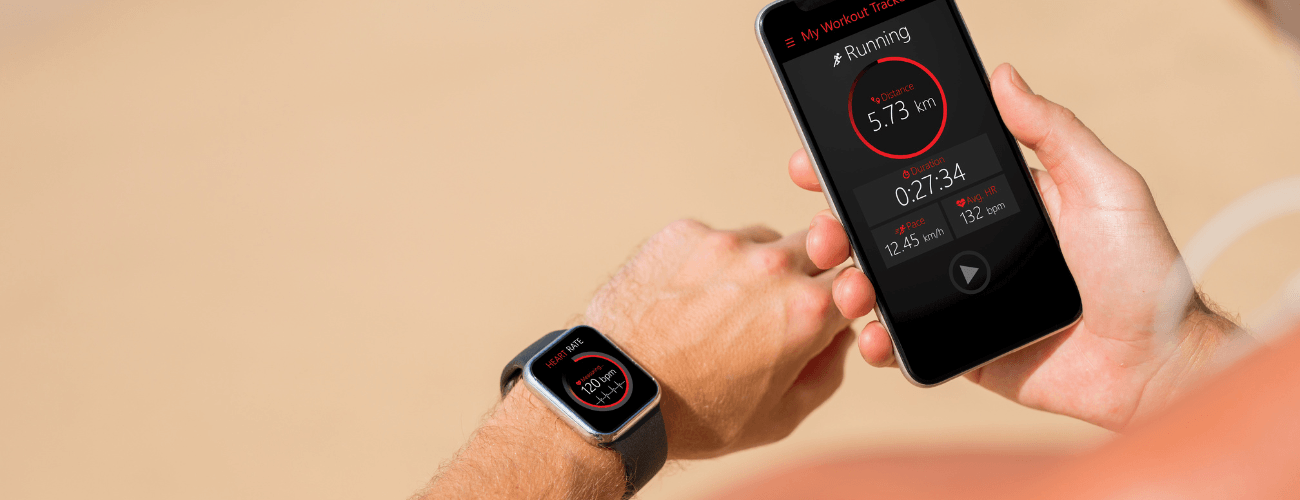
A decade ago, wearable technology was largely associated with counting steps, tracking workouts, and monitoring sleep patterns.
Today, the landscape looks very different.
Smartwatches can detect irregular heart rhythms. Wearable sensors can continuously monitor glucose levels. Remote monitoring devices can transmit health data directly to healthcare providers. Some consumer technologies now incorporate features that were once found only in specialised medical equipment.
As digital health continues to evolve, the boundary between consumer technology and clinical healthcare is becoming increasingly blurred.
This shift is helping drive one of the most significant changes in modern medicine: the rise of wearable medical devices and remote patient monitoring.
While wearable technology is not replacing healthcare professionals, it is changing how health information is collected, monitored, and used in clinical decision-making.
What Are Wearable Medical Devices?
Wearable medical devices are technologies designed to collect health-related information while being worn on the body.
Depending on the device, they may monitor heart rate, physical activity, sleep patterns, blood glucose levels, blood oxygen levels, blood pressure measurements, cardiac rhythms, or body temperature.
Some devices are intended primarily for wellness and fitness tracking, while others are regulated medical devices designed for clinical use.
The distinction between these categories is becoming increasingly important as wearable technology becomes more sophisticated.
For broader background on how wearable tools support earlier health insights, this guide on wearable health technology and early detection may be useful.
How Wearables Have Evolved
Early wearable devices focused primarily on fitness tracking.
Common features included step counting, calorie estimates, activity tracking, and exercise logging.
Modern devices increasingly incorporate advanced sensors and software capable of monitoring a broader range of physiological signals.
Today’s wearable technologies may include electrocardiogram functions, continuous glucose monitoring, sleep analysis, heart rhythm monitoring, fall detection, and remote patient monitoring capabilities.
These advances have expanded potential applications in both consumer health and clinical settings.
Consumer Devices vs Wearable Medical Devices
Not every wearable health device is considered a medical device.
Consumer health technologies are generally designed to support wellness tracking, fitness monitoring, and lifestyle awareness.
Medical devices, by contrast, are typically subject to regulatory oversight and are intended for clinical or healthcare-related purposes.
Regulatory requirements vary between countries and jurisdictions.
Some wearable technologies now contain both consumer-oriented features and medically regulated functions. This hybrid model is becoming increasingly common.
Why Healthcare Is Paying Attention
Healthcare systems are increasingly interested in wearable technology because of its ability to generate ongoing health information outside traditional clinical environments.
Historically, health data was often collected only during appointments, hospital visits, or diagnostic testing.
Wearable devices can provide continuous or frequent monitoring between visits.
This may offer clinicians additional insights into day-to-day health patterns, symptom changes, treatment responses, activity levels, and physiological trends.
The result is a more continuous view of health rather than isolated snapshots.
A personalised approach to using health data is also becoming more common. You can read more in this guide to building a personalised health plan.
7 Powerful Clinical Uses of Wearable Medical Devices
Wearable medical devices are increasingly being explored across several areas of healthcare.
Their value depends on the specific device, the quality of the data, clinical interpretation, and how the information is used in patient care.
1. Remote Patient Monitoring
One of the fastest-growing applications of wearable technology is remote patient monitoring.
Remote monitoring involves collecting health information outside healthcare facilities and sharing relevant data with healthcare providers.
Examples may include heart rate monitoring, blood pressure tracking, glucose monitoring, activity measurements, and cardiac rhythm monitoring.
Remote patient monitoring has attracted significant attention because it may support ongoing care while reducing the need for some in-person assessments.
However, it should be viewed as a complement to clinical care rather than a replacement.
2. Heart Health Monitoring
Cardiovascular monitoring has become one of the most visible areas of wearable healthcare technology.
Some devices can now monitor heart rate, heart rhythm patterns, physical activity, and exercise responses.
Certain wearable technologies include ECG capabilities that may help identify irregular heart rhythms under specific circumstances.
Importantly, consumer devices do not diagnose heart conditions independently.
Abnormal findings should always be discussed with qualified healthcare professionals.
For readers interested in rhythm-related conditions, this article on atrial fibrillation symptoms, risks and detection may be helpful.
3. Continuous Glucose Monitoring
Continuous glucose monitoring systems represent another important example of wearable medical technology.
These devices use sensors that continuously measure glucose levels throughout the day and night.
Continuous glucose monitoring has become increasingly important in diabetes management and has helped demonstrate how wearable devices can support long-term health monitoring.
As sensor technology continues to improve, similar approaches may expand into other areas of healthcare.
For broader context on blood sugar and metabolic risk, this guide to prediabetes and metabolic reset may be useful.
4. Wearable Biosensors
Researchers are actively developing new forms of wearable biosensors.
Future technologies may monitor hydration levels, stress responses, respiratory patterns, disease biomarkers, and metabolic changes.
While many innovations remain under investigation, the pace of development highlights the growing role of wearable medical devices in healthcare.
5. Telehealth and Connected Healthcare
The growth of telehealth has further accelerated interest in wearable medical devices.
Telehealth appointments often rely on information collected outside traditional clinical environments.
Wearable technologies may help provide objective health data, ongoing monitoring, health trend information, and additional context for consultations.
Together, telehealth and wearable technology are contributing to more connected healthcare systems.
If digital healthcare terms feel confusing, this guide on understanding medical jargon may help readers feel more prepared.
6. Chronic Disease Management
Wearable medical devices may support people living with long-term conditions by helping track symptoms, activity, heart rate, sleep, glucose, or other relevant health patterns.
These data points may help patients and healthcare teams notice trends between appointments.
Digital tools are also changing broader chronic disease management. This article on AI in healthcare and chronic disease safety provides additional context.
7. Preventive Health and Early Detection
Many healthcare leaders believe wearable technology will play a growing role in preventive healthcare and early detection.
By collecting data over time, wearable tools may help identify changes in health patterns earlier than occasional clinic visits alone.
However, early alerts or unusual readings should be interpreted carefully and discussed with healthcare professionals when needed.
Potential Benefits of Wearable Health Technology
Advocates suggest wearable devices may help support earlier detection of changes in health status, improved patient engagement, enhanced monitoring, greater health awareness, and more personalised healthcare experiences.
However, benefits depend on the specific device, intended use, and individual circumstances.
Not every person needs advanced health tracking, and not every wearable feature has the same level of clinical evidence.
Challenges and Limitations
Despite their promise, wearable devices are not without limitations.
Challenges may include data accuracy, user adherence, information overload, privacy concerns, device costs, and interpretation of results.
Healthcare professionals continue to evaluate how wearable-generated data can be integrated effectively into clinical care.
Not every data point collected by a wearable device necessarily requires medical action.
Can Wearables Replace Healthcare Professionals?
A common misconception is that wearable technology will eventually replace clinicians.
Most experts view the future differently.
Wearables are generally seen as tools that support healthcare professionals rather than replace them.
Clinical decision-making still requires medical expertise, contextual assessment, diagnostic evaluation, and patient-centred care.
Technology can enhance these processes, but it cannot fully replace them.
The Future of Wearable Medical Devices
As sensors become smaller, more accurate, and more affordable, wearable healthcare technology is expected to continue expanding.
Future developments may include more sophisticated biosensors, greater integration with electronic health records, improved predictive analytics, expanded remote monitoring programs, and increased use of artificial intelligence.
Many healthcare leaders believe wearable technology will play a growing role in preventive healthcare and chronic disease management.
Looking Ahead
Wearable medical devices represent one of the most visible examples of how digital health is transforming healthcare delivery.
What began as simple fitness tracking has evolved into a rapidly expanding ecosystem of health monitoring technologies with potential applications across clinical care, chronic disease management, and remote patient monitoring.
While challenges remain, the overall direction is clear: healthcare is becoming increasingly connected, data-driven, and capable of monitoring health beyond the walls of hospitals and clinics.
For patients, clinicians, and healthcare systems alike, wearable technology may become an increasingly important part of how health is understood, monitored, and managed in the years ahead.
Frequently Asked Questions
What are wearable medical devices?
Wearable medical devices are technologies worn on the body that collect health-related information such as heart rate, glucose levels, activity, or other physiological data.
Are fitness trackers considered wearable medical devices?
Not necessarily. Some fitness trackers are designed primarily for wellness purposes, while others contain regulated medical-device functions depending on their intended use and approvals.
How are wearable medical devices used in healthcare?
Healthcare providers may use wearable technology to support remote monitoring, chronic disease management, health tracking, and patient engagement.
Can wearable devices diagnose medical conditions?
Wearable devices may provide useful health information, but diagnosis should always be made by appropriately qualified healthcare professionals using clinical assessment and relevant investigations.
References & Further Reading
World Health Organization – Digital Health
U.S. Food and Drug Administration – Digital Health Center of Excellence
National Institutes of Health – All of Us Research Program
Nature Digital Medicine
The Lancet Digital Health
Harvard Health Publishing – Wearable technology