
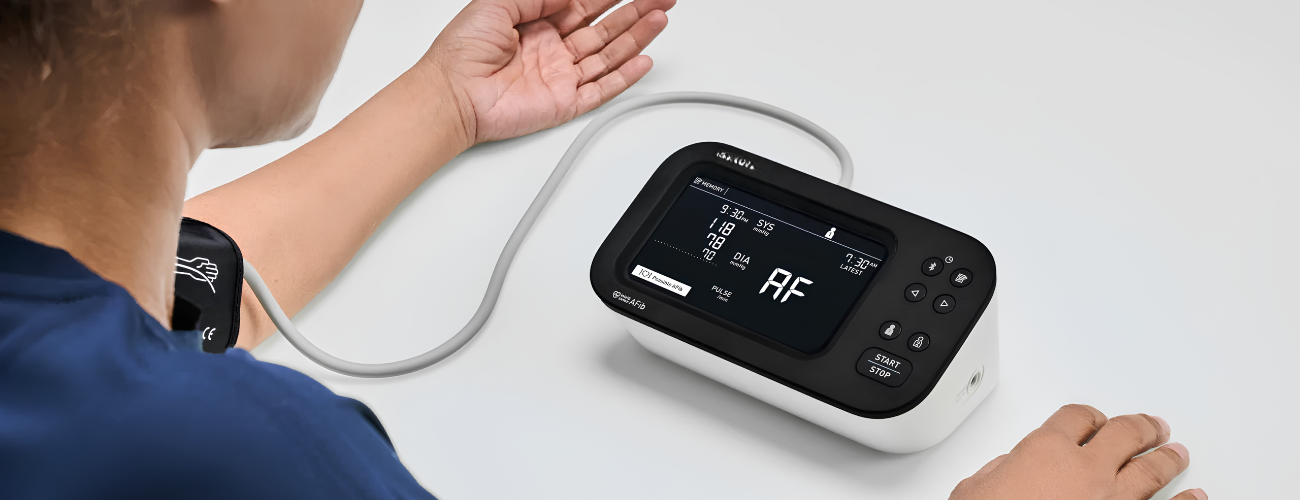
Atrial fibrillation is one of the most common forms of heart arrhythmia, affecting millions of people worldwide. It is a condition where the heart beats in an irregular and often rapid rhythm, disrupting normal blood flow and increasing the risk of complications such as stroke and heart failure. In recent years, awareness of AFib has grown significantly due to advances in diagnosis, monitoring, and atrial fibrillation treatment options.
Understanding AFib , its risk factors, symptoms, and emerging detection technologies is essential for early intervention and improved outcomes.
Understanding Atrial Fibrillation
Atrial fibrillation (often referred to as AFib) occurs when the upper chambers of the heart (atria) beat irregularly and out of sync with the lower chambers. This leads to inefficient pumping of blood and may cause noticeable symptoms or remain silent in some cases.
As a type of heart arrhythmia, AFib can vary in severity. Some people experience occasional episodes, while others live with persistent irregular rhythm requiring long-term management and atrial fibrillation treatment.
Without proper care, AFib can increase the risk of blood clots, stroke, and other cardiovascular complications.
Risk Factors for Atrial Fibrillation
Several lifestyle and medical conditions can increase the likelihood of developing AFib . One of the major contributing factors is alcohol and heart arrhythmia, where excessive alcohol intake can trigger irregular heart rhythms.
Another significant risk factor is sleep apnea heart risk, a condition where breathing repeatedly stops during sleep, placing strain on the cardiovascular system and increasing the likelihood of atrial fibrillation.
Other common risk factors include high blood pressure, obesity, diabetes, and age-related changes in heart structure. Understanding these risks is essential for preventing or delaying the onset of A-fib and reducing the need for intensive AFib treatment later in life.
Symptoms of Atrial Fibrillation
The symptoms of A-fib can vary widely between individuals. Some people experience noticeable signs, while others may only discover the condition during a routine check-up or heart monitoring test.
One of the most common symptoms is heart palpitations causes, often described as a fluttering or pounding sensation in the chest. Many patients also report a chest fluttering sensation, which can be unsettling and intermittent.
Another frequent symptom is racing heart symptoms, where the heart suddenly beats faster than normal without physical exertion. This may be accompanied by fatigue, dizziness, or shortness of breath heart problem, especially during physical activity.
Because these symptoms can overlap with other conditions, atrial fibrillation is sometimes difficult to identify without proper diagnostic tools.
Diagnosing Atrial Fibrillation
Early detection of AFib is crucial in preventing complications. The most common diagnostic method is an electrocardiogram (ECG), which records the electrical activity of the heart.
A standard heart monitoring test is often used to detect irregular rhythms over a longer period, especially if symptoms are intermittent. In some cases, extended monitoring may be required to confirm a diagnosis of atrial fibrillation.
Healthcare providers may also recommend additional assessments depending on symptoms and risk factors to guide appropriate A-fib treatment decisions.
Modern Detection Technologies
Recent advancements in medical technology have significantly improved how atrial fibrillation is detected and monitored.
One of the most important innovations is the wearable heart monitor, which allows continuous tracking of heart rhythm in real time. These devices have made it easier to detect irregularities that may not appear during a short clinic visit.
In addition, ECG wearable devices are becoming increasingly popular, enabling individuals to monitor heart activity using smartwatches and portable sensors. These technologies are transforming early detection of atrial fibrillation by providing continuous data. For a broader look at how smart monitoring technology is transforming preventive healthcare, read our article Smart Wearables: Your Early Warning System for Disease.
Together, these tools complement traditional heart monitoring test methods and allow for faster diagnosis and earlier intervention.
Treatment Options for Atrial Fibrillation
Effective atrial fibrillation treatment focuses on controlling heart rhythm, preventing complications, and reducing stroke risk. One of the most commonly prescribed treatments includes blood thinners for afib, which help prevent blood clots from forming in the heart.
In addition to medication, A-fib treatment may include procedures to restore normal rhythm or control heart rate, depending on severity and patient condition.
Lifestyle changes also play a critical role in AFib treatment, including reducing alcohol intake, managing sleep disorders, and maintaining a healthy weight. Addressing factors such as alcohol and heart arrhythmia and sleep apnea heart risk can significantly improve long-term outcomes.
Living with Atrial Fibrillation
Managing AFib requires ongoing monitoring and lifestyle adjustments. Many individuals continue their daily activities while following a structured AFib treatment plan.
Regular use of wearable heart monitor devices can help track heart rhythm changes and alert users to potential irregularities. This proactive approach supports better disease management and reduces anxiety associated with unpredictable symptoms.
Patients often find that combining medical care with lifestyle modifications improves symptom control and reduces episodes of atrial fibrillation over time.
When to Seek Medical Attention
It is important to seek medical advice if symptoms such as persistent palpitations, chest fluttering sensation, or shortness of breath heart problem occur frequently.
Early diagnosis of atrial fibrillation allows for more effective management and reduces the risk of complications. A timely heart monitoring test can make a significant difference in long-term outcomes.
A-fib is a complex but manageable condition when identified early and treated appropriately. With advancements in atrial fibrillation treatment, wearable technology, and diagnostic tools, patients now have more options than ever before.
Understanding risk factors such as alcohol and heart arrhythmia and sleep apnea heart risk, recognizing symptoms like racing heart symptoms, and utilizing modern tools such as ECG wearable devices are essential steps in early detection.
With proper care, monitoring, and consistent A-fib treatment, individuals can effectively manage the condition and maintain a better quality of life.
The Health Academy’s Approach to Evidence-Based Heart Health Education
The Health Academy provides evidence-based health education designed to simplify complex cardiovascular topics such as AFib, heart arrhythmia, and modern heart monitoring technologies. Our goal is to bridge clinical research with real-world understanding so readers can better recognise early warning signs, understand cardiovascular risk factors, and explore modern approaches to atrial fibrillation treatment and prevention.
We translate cardiology research into practical, accessible insights that support better awareness, earlier detection, and improved long-term heart health management.
What The Health Academy Focuses On
- Clear explanation of cardiovascular conditions such as AFib and other forms of heart arrhythmia
- Evidence-based insights into symptoms including heart palpitations causes, chest fluttering sensation, and racing heart symptoms
- Education on major cardiovascular risk factors including alcohol and heart arrhythmia and sleep apnea heart risk
- Awareness of modern diagnostic methods such as heart monitoring test procedures and ECG wearable devices
- Understanding advances in atrial fibrillation treatment, stroke prevention, and long-term heart rhythm management
- Guidance on wearable heart monitor technology and how digital health tools support early detection
Our Mission
By making evolving cardiovascular research easier to understand, The Health Academy aims to:
- Improve early recognition of AFib symptoms and warning signs
- Support informed decisions about atrial fibrillation treatment and heart health management
- Increase awareness of preventable cardiovascular risk factors
- Highlight the importance of early diagnosis through heart monitoring test technologies
- Encourage proactive and evidence-based approaches to long-term cardiovascular wellbeing
Through this approach, The Health Academy helps ensure that conditions such as atrial fibrillation, heart arrhythmia, and related cardiovascular complications are better understood, identified earlier, and managed through modern evidence-based care.
FAQs
What is atrial fibrillation (AFib)?
AFib, often called AFib, is a type of heart arrhythmia where the heart beats in an irregular and often rapid rhythm. This affects normal blood flow and may increase the risk of complications such as stroke and heart failure if not properly managed.
What are the main symptoms of AFib?
Common symptoms include heart palpitations, a chest fluttering sensation, and racing heart symptoms. Some people also experience fatigue, dizziness, or shortness of breath heart problem, especially during physical activity. In some cases, AFib may occur without noticeable symptoms and is only detected through a heart monitoring test.
What causes atrial fibrillation?
AFib can be caused by several factors, including alcohol and heart arrhythmia, high blood pressure, obesity, and conditions like sleep apnea heart risk. Age-related changes in heart structure and other cardiovascular conditions can also increase the risk of developing AFib.
How is atrial fibrillation diagnosed?
Diagnosis usually involves an ECG (electrocardiogram) and a heart monitoring test to detect irregular heart rhythms. In some cases, wearable devices such as a wearable heart monitor or ECG wearable devices are used for continuous tracking to help identify intermittent episodes.
What are the treatment options for AFib?
Atrial fibrillation treatment may include medications such as blood thinners for AFib to reduce stroke risk, as well as procedures to control heart rhythm. Lifestyle changes like reducing alcohol intake, managing sleep disorders, and using a wearable heart monitor for tracking are also important parts of long-term AFib treatment.