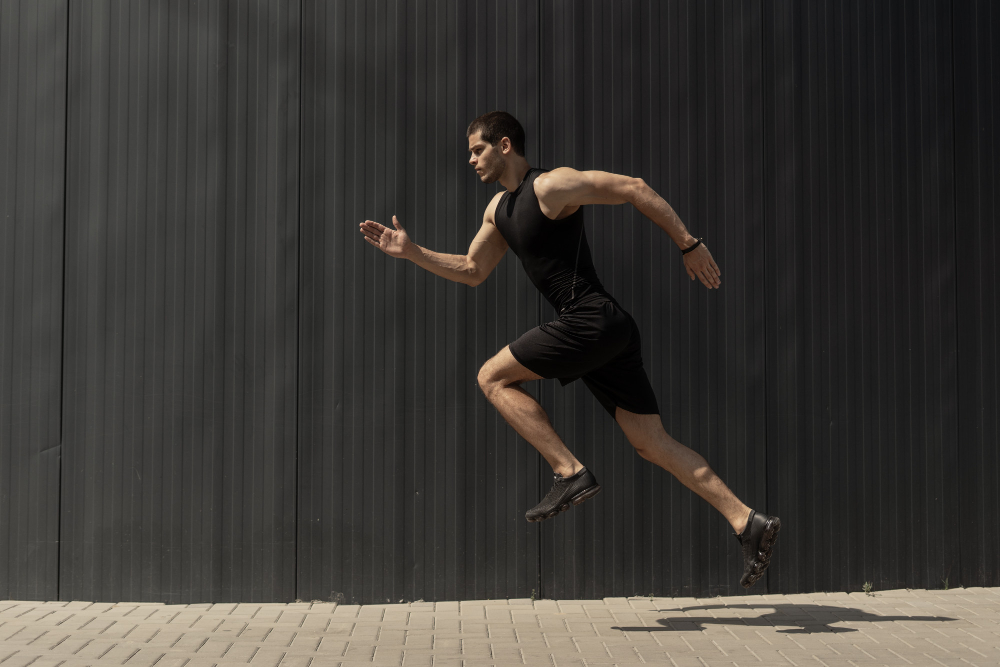
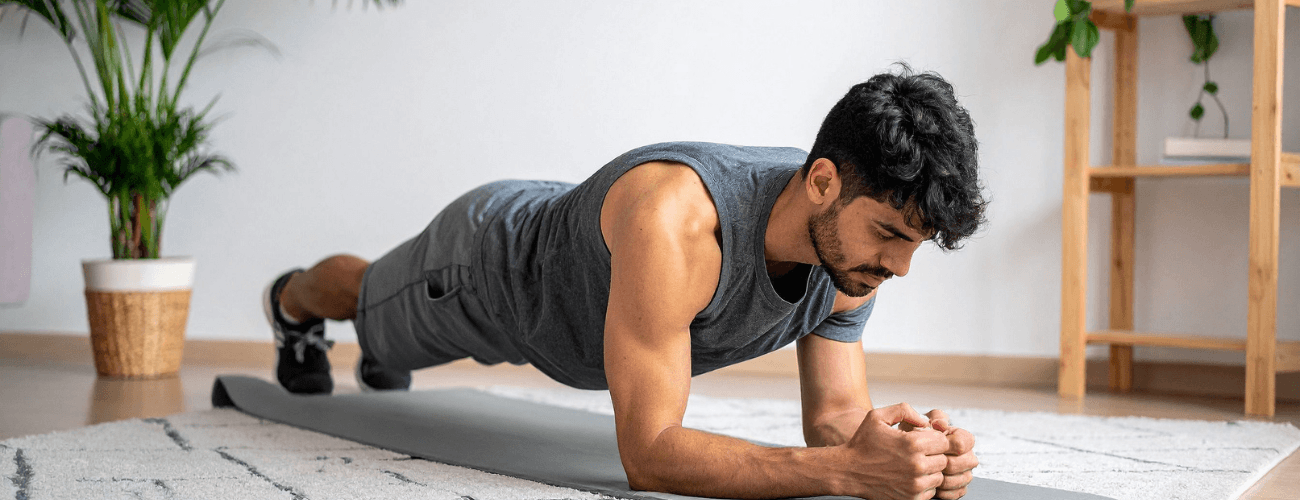
In a world where time scarcity is one of the biggest barriers to fitness, exercise snacking benefits are gaining serious scientific and cultural attention.
The idea is simple: instead of committing to long, structured gym sessions, you perform short bursts of movement throughout the day.
These small but consistent efforts can add up to meaningful improvements in health, metabolism, energy levels, and overall fitness.
Modern research suggests that exercise snacking benefits are not just about convenience. Short movement bursts may help improve cardiovascular health, support metabolic function, reduce sedentary time, and make fitness more realistic for busy people.
For many individuals, especially those with demanding schedules, exercise snacking may offer a sustainable alternative to skipping exercise entirely.
What Is Exercise Snacking?
Exercise snacking means breaking physical activity into small “movement snacks” throughout the day.
Instead of one long home workout, a person may perform several short bursts of activity.
These may include micro workouts, mini workouts, desk exercises, short walks, stair climbing, bodyweight movements, or a quick workout during a break.
The goal is consistency over duration.
One reason exercise snacking benefits are attracting attention is that this approach feels achievable for people who struggle to maintain a traditional fitness routine.
For readers interested in short workouts, this guide on micro workouts and fitness results may be useful.
Why Exercise Snacking Benefits Are Becoming Popular
The rise of exercise snacking benefits is closely linked to modern lifestyle challenges.
Many people do not have time for long gym sessions, and some find structured workouts intimidating or difficult to maintain.
Exercise snacking offers a more flexible approach.
A few minutes of squats, brisk walking, push-ups, stair climbing, or stretching can fit into small gaps throughout the day.
This flexibility makes exercise snacking especially useful for beginners, office workers, remote workers, carers, parents, and people returning to activity after a long break.
It can also support people who want a time-efficient workout without needing equipment or a gym membership.
8 Powerful Exercise Snacking Benefits
Short bursts of movement may seem small, but they can support several important areas of health when performed consistently.
1. Better Consistency
One of the biggest exercise snacking benefits is that it lowers the barrier to getting started.
A 10-minute workout often feels more manageable than a full gym session.
This can help people build confidence and maintain regular movement habits over time.
Consistency is one of the most important factors in long-term fitness.
2. Less Sedentary Time
Sitting for long periods can affect energy levels, circulation, posture, and metabolic health.
Exercise snacking helps interrupt sedentary time with short bursts of activity.
Desk exercises, walking breaks, standing movements, and quick mobility routines can all help make the day less inactive.
For readers building everyday movement habits, this article on 30 minutes of movement a day may provide helpful context.
3. Improved Metabolic Health
One of the most important exercise snacking benefits is its potential effect on metabolism.
Frequent movement may help regulate blood sugar levels, improve energy use, and increase daily calorie expenditure.
Even short activity breaks after meals may help support healthier glucose responses for some individuals.
This makes movement snacks especially interesting for people focused on long-term metabolic health.
For broader metabolic health background, this guide on prediabetes and metabolic reset may be useful.
4. More Daily Energy
Many people notice that short activity breaks help them feel more alert.
A quick workout, short walk, or bodyweight routine can increase circulation and reduce the sluggish feeling that often comes from prolonged sitting.
Instead of waiting for the perfect time to exercise, people can use movement snacks to reset their energy throughout the day.
5. Support for Cardiovascular Fitness
Exercise snacking can support cardiovascular health when the movement is performed regularly and with enough intensity.
Short bursts of stair climbing, brisk walking, cycling, or bodyweight circuits can raise heart rate and contribute to overall physical activity.
This does not mean every movement snack needs to be intense.
A mix of light, moderate, and occasionally higher-intensity activity can support a balanced routine.
For people interested in tracking cardiovascular fitness, this article on VO2 max explained may be helpful.
6. Practical Fat Loss Support
Many people are interested in exercise snacking benefits for weight management.
Short bursts of activity can increase total daily energy expenditure, especially when repeated consistently.
Examples may include squats, lunges, push-ups, brisk walks, stair intervals, or a short no-equipment workout.
However, exercise snacking should not be viewed as a magic fat loss solution.
Body composition is influenced by nutrition, sleep, stress, genetics, medical conditions, and overall activity levels.
For broader lifestyle support, this guide to a healthy lifestyle in 2026 may be useful.
7. Better Fit for Busy Schedules
The biggest barrier to fitness is often time.
Exercise snacking benefits busy people because it breaks exercise into realistic pieces.
Instead of skipping movement because there is no time for a full workout, a person can complete a short workout whenever a few minutes are available.
This approach may be especially helpful for people working from home, office workers, shift workers, parents, or anyone managing a packed schedule.
8. Beginner-Friendly Fitness
Exercise snacking can be adapted to almost any starting point.
A beginner workout at home might include chair squats, wall push-ups, gentle marching, light stretching, or walking around the block.
More advanced individuals might use short HIIT workout bursts, stair climbs, or bodyweight circuits.
The key is to match the movement to the person’s fitness level and gradually build capacity.
Exercise Snacking vs Traditional Workouts
Traditional fitness routines often rely on longer sessions.
Exercise snacking challenges this model by showing that movement can also be spread across the day.
A time-efficient routine might include three or four short bursts of activity, each lasting 5 to 10 minutes.
For some people, this may feel more sustainable than one long workout.
However, traditional workouts still have value.
Longer strength training, endurance sessions, mobility work, and structured cardio can all play important roles.
The best approach is often the one a person can repeat consistently.
Desk Exercises and Daily Movement
One of the most practical ways to use exercise snacking is during the workday.
Desk exercises may include seated leg lifts, calf raises, standing stretches, wall push-ups, short walks, or stair breaks.
Even a few minutes of movement every hour can help reduce sedentary time.
These small actions can also support posture, circulation, and energy.
For people interested in tiny daily habits, this guide on daily rituals and tiny health habits may be helpful.
Exercise Snacking at Home
One of the easiest ways to experience exercise snacking benefits is through a home workout approach.
A no-equipment workout can be performed in a bedroom, living room, hallway, or outdoor space.
Examples include bodyweight squats, lunges, push-ups, step-ups, planks, marching in place, or short mobility flows.
A 10-minute home workout with no equipment can be enough to raise heart rate, activate muscles, and build momentum.
For people who want more personalised activity goals, this guide to building a personalised health plan may provide useful background.
The Role of HIIT in Exercise Snacking
High-intensity interval training can be used within exercise snacking, but it is not required for every session.
A short HIIT workout may include brief bursts of higher-effort movement followed by rest.
This can be useful for people who want to improve fitness in limited time.
However, high intensity should be used carefully.
People who are new to exercise, have injuries, or have medical concerns should start gradually and seek professional guidance when needed.
Lower-intensity movement snacks can still be valuable.
For readers interested in lower-intensity conditioning, this guide on Zone 2 training benefits may be useful.
A Simple Exercise Snacking Plan for Beginners
A beginner-friendly plan may include three short movement breaks per day.
Morning: 5 minutes of marching, squats, or gentle mobility.
Midday: 5 to 10 minutes of walking, stairs, or desk exercises.
Evening: 5 to 10 minutes of bodyweight movements or stretching.
This approach keeps the routine realistic and flexible.
Over time, a person can gradually increase duration, frequency, or intensity depending on their goals.
When to Be Careful
Exercise snacking is suitable for many people, but not every movement is appropriate for everyone.
People with chest pain, dizziness, severe shortness of breath, uncontrolled blood pressure, recent injury, or existing medical conditions should speak with a healthcare professional before starting new exercise routines.
The goal is to make movement more accessible, not to ignore warning signs or push through unsafe symptoms.
Conclusion
The growing popularity of exercise snacking benefits reflects a major shift in how people approach fitness.
Instead of relying only on long, structured sessions, many people are embracing micro workouts, mini workouts, desk exercises, and movement snacks throughout the day.
Whether it is a 10-minute workout, a quick walk, a bodyweight routine, or a simple home workout, small actions can support meaningful long-term health improvements when performed consistently.
Exercise snacking does not need to replace every traditional workout.
But for busy people, beginners, and anyone struggling with consistency, it can be a practical and sustainable way to move more, sit less, and build better health one short burst at a time.
Frequently Asked Questions
What are exercise snacking benefits?
Exercise snacking benefits refer to the health improvements gained from short bursts of activity performed throughout the day. These may include better energy, improved metabolism, increased movement, and easier fitness consistency.
Can exercise snacking replace a full workout?
For some people, multiple short sessions can provide meaningful fitness benefits. However, structured workouts still have value, especially for strength, endurance, and specific performance goals.
What types of exercises count as exercise snacking?
Walking, squats, push-ups, desk exercises, stair climbing, lunges, stretching, and short HIIT bursts can all count as exercise snacking.
Is exercise snacking effective for weight loss?
It may support weight management by increasing daily movement and energy expenditure. However, nutrition, sleep, stress, and overall lifestyle also matter.
Who should use exercise snacking?
Exercise snacking may benefit busy adults, beginners, office workers, remote workers, and people who find long workouts difficult to maintain.
References
https://www.who.int/news-room/fact-sheets/detail/physical-activity
https://pmc.ncbi.nlm.nih.gov/articles/PMC12732512
https://www.nia.nih.gov/health/exercise-and-physical-activity
https://www.heart.org/en/healthy-living/exercise-and-physical-activity