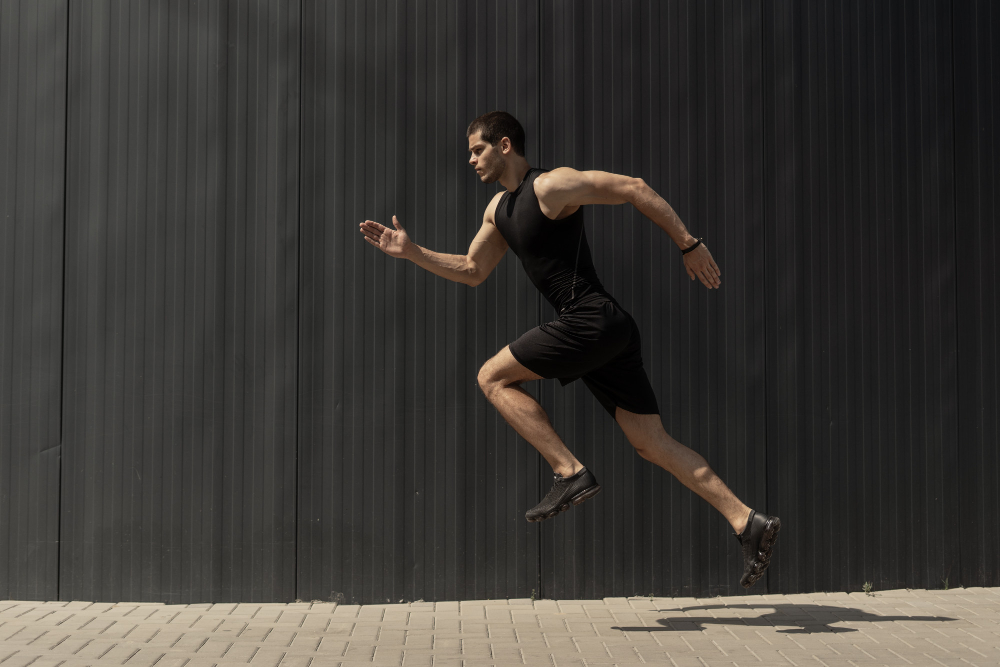
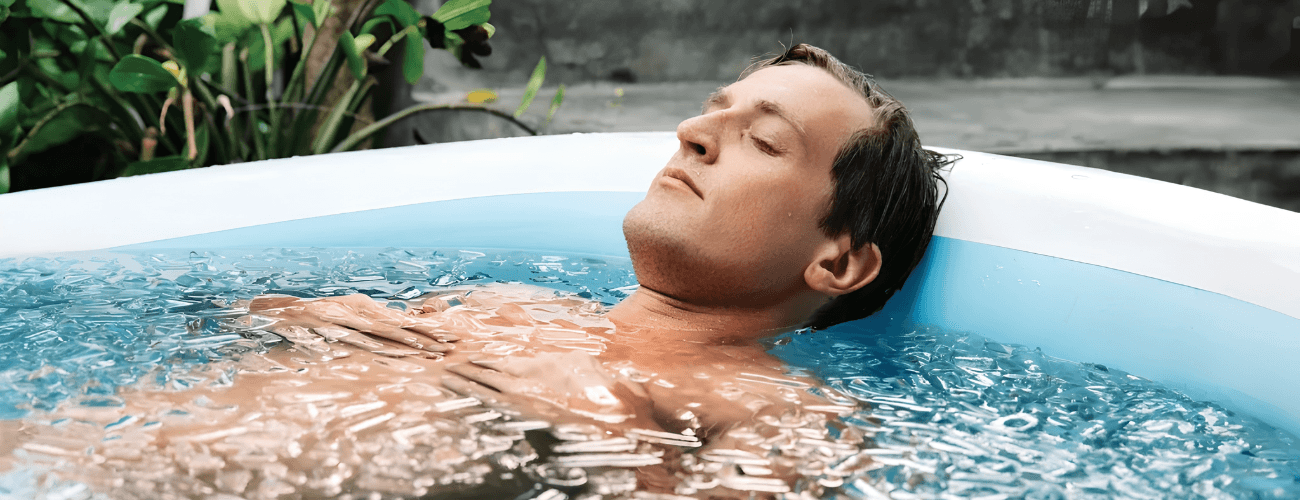
Cold plunges have moved from elite athletic training rooms into mainstream wellness culture.
Professional athletes, biohackers, social media influencers, and wellness enthusiasts regularly promote ice baths and cold-water immersion as tools for improving physical performance, boosting mood, enhancing recovery, and even extending longevity.
Advocates often describe cold exposure as a simple practice capable of transforming health.
Critics argue that many claims are exaggerated and unsupported by strong scientific evidence.
So what does the research actually show?
The answer lies somewhere between the hype and the scepticism.
Cold-water immersion does appear to offer certain benefits under specific circumstances.
However, many popular claims remain under investigation, and cold exposure is not appropriate for everyone.
Understanding the science can help people make informed decisions about whether cold plunges fit into their health and lifestyle goals.
What Is a Cold Plunge?
A cold plunge involves immersing the body in cold water for a short period.
Depending on the setting, this may include ice baths, cold plunge pools, cold lakes or rivers, ocean immersion, or purpose-built recovery tubs.
Water temperatures typically range from approximately 10°C to 15°C, although some people use significantly colder temperatures.
Exposure times vary depending on the protocol, individual tolerance, experience level, and reason for use.
Cold plunges are often used after exercise, as part of a wellness routine, or as a form of intentional stress exposure.
However, they should be approached with caution.
Cold water affects breathing, heart rate, blood pressure, circulation, muscle function, and coordination.
This makes safety just as important as potential benefit.
For broader recovery and movement context, this article on exercise snacking benefits may be useful.
Why Have Cold Plunges Become So Popular?
Several factors have contributed to the recent surge in popularity.
Social media has played a major role because cold plunges are highly visual and easy to share online.
Videos of people stepping into icy water create strong emotional reactions and often suggest discipline, toughness, or transformation.
Athletic recovery has also influenced popularity.
Many professional athletes have used cold-water immersion as part of recovery routines after intense training or competition.
Biohacking culture has added another layer.
Cold exposure is often promoted as a way to optimise health, resilience, metabolism, mood, and performance.
Interest in mental resilience has also grown.
Some advocates view cold exposure as a tool for developing psychological toughness and stress tolerance.
While popularity can increase awareness, it does not confirm scientific effectiveness.
Health decisions should be based on evidence, goals, and personal risk factors rather than online trends alone.
6 Evidence-Based Benefits and Risks of Cold Plunges
The science of cold plunges is nuanced.
Some effects are reasonably well supported, while others remain speculative or overstated.
1. Cold Plunges May Reduce Muscle Soreness
One of the most studied uses of cold-water immersion is exercise recovery.
Many athletes use cold plunges after intense or high-volume training sessions.
Research suggests cold-water immersion may help reduce perceived muscle soreness, short-term recovery discomfort, and feelings of fatigue after demanding exercise.
These effects may be especially relevant after endurance events, repeated training sessions, tournaments, or activities involving muscle damage.
However, results vary.
The benefits may depend on water temperature, immersion time, exercise type, fitness level, and training goals.
Cold plunges should not be viewed as a universal recovery solution.
They may help some people feel better after hard sessions, but they are only one tool among many.
Sleep, nutrition, hydration, training load management, and active recovery remain essential.
For more on training recovery and adaptation, this article on zone 2 training benefits may be helpful.
2. Cold Plunges May Not Always Support Muscle Growth
The evidence on athletic performance is mixed.
Cold-water immersion may support short-term recovery between training sessions in some situations.
However, research also suggests that frequent use immediately after resistance training may potentially reduce some long-term muscle adaptation signals.
This matters because recovery and adaptation are not identical.
If the goal is to feel less sore before another event, cold immersion may be useful.
If the goal is building maximum muscle and strength from resistance training, frequent post-lifting cold plunges may not always be ideal.
This does not mean cold plunges are harmful for athletes.
It means timing and context matter.
An endurance athlete, tournament player, bodybuilder, powerlifter, and casual exerciser may all use recovery tools differently.
For strength-focused goals, people may consider avoiding cold plunges immediately after key resistance sessions unless advised otherwise by a coach or clinician.
3. Cold Exposure Creates a Strong Nervous System Response
When the body enters cold water, several physiological responses occur rapidly.
Heart rate may increase.
Blood vessels constrict.
Breathing may become faster.
Blood pressure can rise.
Stress-response pathways become activated.
This response is sometimes described as cold shock.
It is part of the body’s natural reaction to sudden cold exposure.
Some people report feeling more alert, energised, focused, or calm after cold plunges.
These experiences may relate to nervous system activation, breathing control, and psychological factors.
However, the same response can be risky for some people.
Sudden cold exposure may be dangerous for individuals with heart disease, uncontrolled high blood pressure, certain respiratory conditions, circulatory disorders, or other medical concerns.
This is why cold plunges should not be treated as harmless for everyone.
4. Mental Health Benefits Are Promising but Not Proven Treatment
Cold plunges are increasingly promoted for mental wellbeing.
Some people report improved mood, more energy, reduced stress, enhanced resilience, or a stronger sense of accomplishment after cold-water immersion.
Researchers are exploring possible mechanisms involving neurotransmitters, stress adaptation, breathing, attention, and psychological tolerance of discomfort.
These findings are interesting, but conclusions should be careful.
Cold plunges should not be viewed as a treatment for depression, anxiety, trauma, or other mental health conditions.
They should not replace therapy, medication, crisis support, or professional care when needed.
For some people, cold exposure may feel empowering.
For others, it may feel distressing or worsen anxiety.
Individual response matters.
For broader mental health support, this article on burnout recovery may be useful.
5. Fat Loss and Immunity Claims Are Often Overstated
Cold plunges are often promoted as tools for fat burning, metabolism, and immune boosting.
The science is less definitive than many online claims suggest.
Cold exposure can increase energy expenditure because the body works to maintain core temperature.
Researchers have also studied brown adipose tissue, a type of fat involved in heat production.
However, the practical significance for long-term weight management remains uncertain.
Cold plunges should not be considered a primary fat-loss strategy.
Nutrition, resistance training, physical activity, sleep, and sustainable lifestyle habits are far more important.
Claims about immunity should also be interpreted cautiously.
Some studies suggest cold exposure may influence certain immune markers, but this does not prove that cold plunges prevent illness or “boost” immunity in a simple way.
The immune system is complex.
More cold is not automatically better.
6. Safety Risks Are Real
Although many discussions focus on benefits, cold plunges also carry risks.
Sudden immersion in cold water can trigger rapid breathing, increased heart rate, elevated blood pressure, panic, dizziness, or loss of breathing control.
This cold shock response can be dangerous, especially in open water.
Prolonged exposure can lead to hypothermia.
Cold water can also reduce dexterity, coordination, balance, and muscle function, increasing injury risk.
Natural environments add further hazards, including currents, slippery surfaces, waves, low visibility, and difficulty exiting the water.
People with cardiovascular disease, high blood pressure, respiratory conditions, circulatory disorders, pregnancy, certain neurological conditions, fainting history, or complex medical conditions should seek medical advice before attempting cold exposure.
Beginners should never start with extreme temperatures or long sessions.
What Happens to the Body During Cold Exposure?
When the body encounters cold water, it responds quickly.
Blood vessels near the skin constrict to reduce heat loss.
Heart rate and blood pressure may rise.
Breathing may become rapid and difficult to control.
The nervous system becomes highly activated.
Stress hormones and neurotransmitters may change.
These reactions are normal responses to cold environments, but their intensity varies.
Water temperature, exposure duration, body size, body fat, fitness, medical history, cold adaptation, and experience all influence the response.
This is why two people can have very different experiences in the same cold plunge.
One may feel calm and energised.
Another may feel panicked, dizzy, or overwhelmed.
The Concept of Hormesis
One reason researchers are interested in cold exposure involves hormesis.
Hormesis describes the idea that small, controlled amounts of stress may stimulate adaptive responses in the body.
Exercise is a classic example.
A workout temporarily stresses muscles and the cardiovascular system, but appropriate recovery leads to adaptation.
Heat exposure and cold exposure are also discussed in this context.
The theory suggests that carefully managed stressors may help improve resilience.
However, more stress is not always better.
Too much stress, too often, or at the wrong time can be harmful.
The potential benefits of cold plunges depend on dose, frequency, temperature, duration, timing, and individual health status.
Cold Therapy and Inflammation
Cold exposure may influence inflammatory processes.
This is one reason cold therapy has long been used in sports and rehabilitation settings.
Cold may reduce blood flow to certain tissues temporarily and may influence swelling, soreness, and pain perception.
However, inflammation is complex.
Not all inflammation is harmful.
Some inflammatory responses are important for healing, recovery, and training adaptation.
This is why frequent cold plunges immediately after strength training may not always be ideal for people seeking muscle growth.
Reducing soreness is not always the same as improving adaptation.
The best use depends on the goal.
Are Cold Plunges Good for Longevity?
Longevity claims are popular online, but evidence remains limited.
Cold plunges may influence stress response, inflammation markers, mood, sleep, and recovery in certain contexts.
However, that does not prove they extend lifespan.
Long-term health is shaped by far more established factors, including physical activity, nutrition quality, sleep, social connection, avoiding smoking, moderating alcohol, preventive healthcare, and managing chronic disease risk.
Cold plunges may be an optional wellness practice for some people.
They should not be presented as a proven longevity intervention.
For broader longevity context, this article on healthy ageing practices may be helpful.
Who Should Be Cautious?
Cold plunges may not be appropriate for everyone.
People should speak with a healthcare professional before trying cold exposure if they have heart disease, high blood pressure, arrhythmia, respiratory disease, asthma triggered by cold, circulatory disorders, Raynaud’s phenomenon, fainting episodes, seizure disorders, pregnancy, or significant medical conditions.
People taking medications that affect blood pressure, heart rate, alertness, or temperature regulation should also seek advice.
Cold plunges may also be unsuitable for people who feel panicked, dissociated, or unsafe during cold exposure.
Wellness practices should support health, not create unnecessary risk.
Safer Cold Plunge Practices
For healthy adults who choose to try cold plunges, safety should come first.
Start gradually.
Use cool water before very cold water.
Keep early sessions short.
Avoid plunging alone.
Enter slowly and focus on controlled breathing.
Avoid hyperventilation.
Do not combine cold plunges with alcohol or recreational drugs.
Avoid open water unless conditions are safe and supervised.
Exit immediately if you feel chest pain, faintness, confusion, severe numbness, uncontrolled shivering, or difficulty breathing.
Warm up gradually afterward.
Do not drive or perform risky tasks if you feel lightheaded or impaired.
Medical advice is especially important before regular cold exposure programs.
Common Myths About Cold Plunges
Myth 1: Cold Plunges Cure Disease
No good evidence shows that cold plunges cure medical conditions.
They may support recovery or wellbeing for some people, but they are not medical treatment.
Myth 2: Longer Exposure Is Always Better
Longer exposure is not necessarily better and may increase risk.
Dose matters.
Myth 3: Everyone Should Do Cold Plunges
Individual health status, goals, preferences, and risk factors matter.
Cold exposure is optional, not essential.
Myth 4: Cold Plunges Replace Exercise
Cold exposure may complement healthy habits, but it does not replace physical activity, strength training, mobility, sleep, or nutrition.
Myth 5: Feeling Uncomfortable Means It Is Working
Discomfort alone is not proof of benefit.
Extreme discomfort can be a warning sign.
What the Evidence Currently Suggests
The strongest evidence supports cold-water immersion as a tool for reducing perceived muscle soreness, supporting short-term recovery, and providing a unique physiological stimulus.
Evidence is emerging but less definitive for mood-related effects, stress adaptation, metabolic changes, immunity, and long-term wellbeing.
Many popular claims remain under investigation.
The current scientific picture is more nuanced than either enthusiastic promotion or complete dismissal.
Cold plunges may be useful for certain people in certain contexts.
They are not necessary for everyone.
Looking Ahead
Cold plunges represent one of the most fascinating intersections between traditional practices, athletic recovery, and modern wellness culture.
The science continues to evolve.
Some benefits appear reasonably supported, particularly in recovery settings.
Other claims require additional research before firm conclusions can be drawn.
Perhaps the most important lesson is that cold-water immersion should be viewed as a tool rather than a miracle intervention.
For some individuals, it may offer meaningful benefits.
For others, the risks, discomfort, or lack of relevance may outweigh potential advantages.
As with many health trends, the best approach is to separate evidence from enthusiasm and make decisions based on individual needs, preferences, and medical circumstances.
Conclusion
Cold plunges can be useful, but they are often overhyped.
The best-supported benefits relate to short-term exercise recovery and reduced perceived muscle soreness.
There is growing interest in possible effects on mood, stress resilience, metabolism, and inflammation, but many claims remain uncertain.
Cold exposure also carries real risks, especially for people with cardiovascular, respiratory, circulatory, or neurological conditions.
The safest approach is cautious, gradual, and personalised.
Cold plunges are not a cure, not a requirement, and not a replacement for exercise, sleep, nutrition, therapy, or medical care.
They are one optional tool that may help some people when used appropriately.
Frequently Asked Questions
What are the main ice bath benefits?
Research suggests cold-water immersion may help reduce perceived muscle soreness and support short-term recovery after intense exercise. Other claimed benefits are still being studied.
Are cold plunges good for mental health?
Some individuals report improved mood, energy, and stress resilience. Research is ongoing, but cold plunges should not replace professional mental health care.
Can cold plunges improve athletic performance?
Cold-water immersion may support recovery between sessions in some situations. However, frequent use immediately after resistance training may not be ideal for muscle growth goals.
Are cold plunges safe?
Cold plunges may be safe for many healthy individuals when performed appropriately, but risks include cold shock, elevated blood pressure, hypothermia, panic, and impaired coordination.
Who should avoid cold plunges?
People with heart disease, uncontrolled high blood pressure, arrhythmia, certain respiratory conditions, circulatory disorders, pregnancy, fainting history, or complex medical conditions should seek medical advice first.
References
https://bjsm.bmj.com/content/46/4/233
https://pubmed.ncbi.nlm.nih.gov/29627884
https://www.frontiersin.org/journals/physiology/articles/10.3389/fphys.2025.1525726/full
https://link.springer.com/article/10.1007/s40279-022-01644-9
https://www.health.harvard.edu/healthy-aging-and-longevity/can-ice-baths-improve-your-health
https://health.clevelandclinic.org/what-to-know-about-cold-plunges