In an era where a 15-second clip can spark a global movement, our social media feeds have become the new frontier for medical advice. From ice-filled tubs to glowing red masks, viral wellness trends promise everything from eternal youth to superhuman immunity.
These viral wellness trends are reshaping how people approach recovery, fitness, mental wellbeing, and daily health optimisation. But how much of this is grounded in biological reality, and how much is simply clever marketing fueled by our desire for “optimisation”?
The rise of viral wellness content has transformed social media platforms into powerful influencers of modern health behaviour and biohacking culture.
At The Health Academy, we act as your scientific filter. Our goal isn’t to judge your interest in the latest “hack,” but to evaluate these movements calmly and objectively. We ask the hard questions: What actually works? What might help only a specific group of people? And what is just hype with no scientific basis?
The Health Academy: Our Expertise in Evidence-Based Wellness
How do we separate genuine health breakthroughs from the noise of the digital age? Can we truly “biohack” our way to better health, or are we overlooking the foundational basics? This comprehensive review of viral wellness trends is brought to you by The Health Academy, a trusted digital hub dedicated to empowering individuals with credible, evidence-based health knowledge.
Recognising the overwhelming surge of social media health trends, our mission is to provide authoritative, actionable resources. We deliver the necessary expertise to help readers understand the nuances of evidence based wellness, moving beyond online health misinformation.
We bring together a community of curious readers who seek to improve their wellbeing, ensuring our information on cold plunge benefits and red light therapy science is always accurate, reliable, and grounded in the latest research.
As viral wellness trends continue to dominate online conversations, understanding the difference between science and hype becomes increasingly important.
Trend 1: The Cold Plunge (Cryotherapy)
What do people or social media claim?
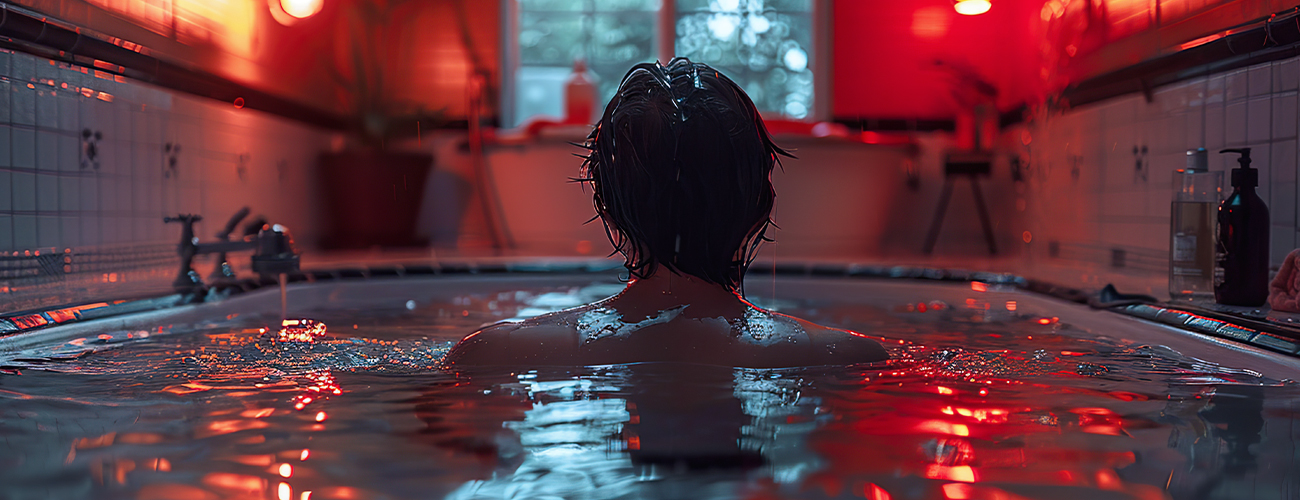
The viral wellness community on TikTok and Instagram portrays the cold plunge as a “biological reset.”
Popular claims suggest that immersing yourself in freezing water (typically 5°C to 15°C) can instantly “ignite” your metabolism, permanently cure anxiety, and boost your immune system to the point where you’ll never get sick again.
This type of viral wellness messaging often exaggerates short-term benefits while ignoring potential long-term risks.
What does science actually say?
Current red light therapy science and cold water research paint a more nuanced picture. Scientists have questioned these claims by asking: Does the acute shock of cold lead to long-term adaptation, or is it just a temporary spike in hormones?
Many viral wellness claims surrounding cold exposure are based more on social media hype than long-term clinical evidence.
Research confirms that cold water therapy triggers a massive release of norepinephrine (up to 200-300%) and dopamine.
This explains the “mood boost” users feel it is a literal chemical high. Regarding recovery, studies show it effectively reduces Delayed Onset Muscle Soreness (DOMS) by constricting blood vessels and limiting inflammation.
However, a major discovery in recent trials is that using a cold plunge immediately after strength training can actually stunt muscle growth (hypertrophy) because the body needs that initial inflammation to trigger repair.
Who can benefit from this trend?
Athletes in a “competition phase” who need to recover quickly for the next day’s event may find cold plunge benefits invaluable. It is also an interesting tool for those looking to build “mental resilience” by practicing controlled breathing under stress.
However, viral wellness practices should always be adapted to individual health conditions and fitness goals.
Cold Water Therapy Risks: Sudden immersion can cause “cold shock,” leading to a dangerous spike in heart rate and blood pressure. This is a significant risk for individuals with underlying cardiac conditions.
Worth Trying or Not? Scale: > Try with Caution. (Great for recovery and mood, but skip it immediately after heavy lifting if your goal is muscle size).
Trend 2: Red Light Therapy (Photobiomodulation)
What do people or social media claim?
Tiktok wellness trends often present red light therapy as a “panacea” or a cure-all. Claims range from erasing wrinkles and regrowing hair to curing deep-seated brain fog and even speeding up fat loss by “melting” fat cells.
Among today’s most popular viral wellness habits, red light therapy has become one of the fastest-growing trends in the biohacking community.
What does science actually say?
When looking at red light therapy science, researchers ask: Can specific wavelengths of light (600nm–900nm) actually penetrate the skin to affect cellular mitochondria?
The science here is actually quite robust for specific applications.
Photobiomodulation works by stimulating the mitochondria to produce more ATP (cellular energy).
Evidence shows it is highly effective for skin health (increasing collagen density) and wound healing.
However, the claims about “melting fat” or “curing dementia” are where we enter the territory of tiktok health myths. While light can reach the dermis, using a low-powered at-home device to treat deep internal organs or brain tissue is physically impossible due to the way light scatters through bone and muscle.
Still, many viral wellness creators continue to promote exaggerated claims that go far beyond the current scientific evidence.
Who can benefit from this trend?
Individuals looking for non-invasive skin rejuvenation or those managing chronic joint pain (arthritis) may see red light therapy benefits and risks tip in their favor. It is a “low-risk, medium-reward” tool when used correctly.
Worth Trying or Not? Scale: > Worth Trying. (Specifically for skin quality and surface-level inflammation).
Distinguishing Between “Health” and “Optimisation”
It is vital to understand that many viral wellness trends fall under the category of optimisation, not basic health.
Many viral wellness influencers promote optimisation techniques as essential health practices, even when scientific evidence remains limited.
- Basic Health: Sleep, hydration, movement, and nutrition. These are the “90%” that keep you alive and well.
- Optimisation: Cold plunges, red light therapy, and expensive supplements. These are the “10%” that might give a slight edge to elite performers.
Many social media health trends make you feel that you need these tools to be healthy. In reality, a person who sleeps 8 hours but never cold plunges will almost always be healthier than a person who cold plunges but only sleeps 4 hours.
Optimisation should only be sought once the foundation of evidence based wellness is solid.
The Scientific Perspective: Why Results Vary
Why did scientists question these trends initially? Because “wellness” is often subjective. To involve you in scientific thinking: consider the Placebo Effect. In many cold water studies, participants expect to feel better, which influences their reported mood more than the water temperature itself.
This subjectivity is one reason why viral wellness experiences can vary dramatically from person to person.
Furthermore, not everybody can handle the same experience. For instance, someone with Raynaud’s disease (a circulation disorder) could suffer severe tissue damage from a cold plunge, while a healthy athlete feels fine. This is why online health misinformation is so dangerous it generalises an experience that should be personalised.
Acknowledging the Limits of Current Research
Science is not a static book of rules; it is a conversation. We must be honest with you: “Current scientific evidence for many of these trends is limited, and more research is needed.” While we have small-scale studies on viral wellness habits, we often lack the 20-year longitudinal data required to say “this is 100% safe and effective for everyone.” As new data emerges, our “scientific filter” will update its findings.
Why Viral Wellness Trends Spread So Quickly Online
Viral wellness content spreads rapidly because it combines emotional storytelling, visual transformation, and quick-fix promises. Social media algorithms reward highly engaging health content, allowing viral wellness trends to reach millions of users before scientific experts have time to evaluate the claims properly.
FAQ’s
How can I tell if a wellness trend is just hype?
Ask yourself: Who truly benefits from this trend? If the answer is “everyone for every condition,” it’s likely hype.
Reliable evidence based wellness always specifies a target audience and acknowledges limitations. If a creator is selling the “solution” to the problem they just described, be wary of online health misinformation. True viral wellness should be backed by peer-reviewed studies, not just aesthetic “For You Page” videos.
Are there hidden cold water therapy risks I should know about?
Beyond the “cold shock” response, frequent long-term exposure can lead to “non-freezing cold injury,” which damages small nerves and blood vessels in the hands and feet. This is why the “more is better” mentality in tiktok wellness trends is dangerous. Science suggests that just 11 minutes of total cold exposure per week is enough to see cold plunge benefits without excessive risk.
Is at-home red light therapy as effective as clinical treatments?
Generally, no. Many at-home devices lack the “irradiance” (power) to penetrate deep enough to provide significant red light therapy benefits and risks management. While they might help with minor skin issues, clinical-grade panels are much more powerful. When researching red light therapy science, look for devices that specify their power output in mW/cm² to ensure you aren’t just buying a fancy red light bulb.
Why does social media push so many tiktok health myths?
Engagement is the currency of the internet. A video titled “How I Fixed My Life with Ice” gets more clicks than “The Importance of a Consistent Bedtime.” Social media health trends thrive on novelty and “hacks.” This creates an environment where online health misinformation spreads 6x faster than the truth. Developing a “scientific filter” is your best defense against these tiktok health myths.
Can these trends replace traditional medical advice?
Never. Viral wellness tools are meant to be supplemental. If you are using a cold plunge to treat clinical depression or red light to treat a suspicious skin mole, you are in dangerous territory.
Evidence based wellness always works alongside traditional medicine. Before starting any intensive routine, especially those involving cold water therapy risks, consult with a healthcare professional who understands your specific medical history.
The growing popularity of viral wellness trends highlights the importance of critical thinking and evidence-based decision making in the digital age.
The next time a “miracle” wellness trend hits your feed, don’t just ask if it’s popular ask if it’s proven. True health isn’t about the newest gadget; it’s about the consistent, evidence-based choices you make every day.