
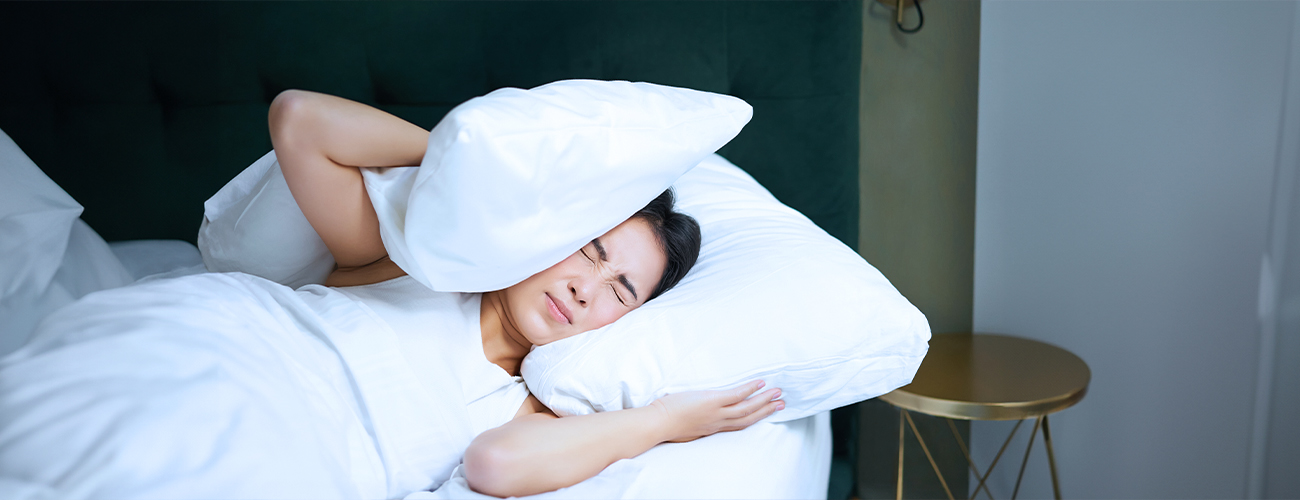
Are you tired of feeling tired? If you’re looking to master how to sleep better naturally and upgrade your nightly rest from adequate to exceptional, welcome to the world of Sleep Optimization. Often dubbed “Sleepmaxxing,” this is more than just clocking eight hours; it’s a detailed approach to engineering your life for maximum restorative rest. If you’ve been searching for the best sleep routine to boost your energy, focus, and overall health, this comprehensive guide will give you the tools, routines, and hacks you need to achieve expert-level sleep performance.
The Health Academy: Your Trusted Source for Sleep Science
This comprehensive guide on advanced sleep performance (Sleepmaxxing) is brought to you by The Health Academy, a trusted digital hub dedicated to empowering individuals with credible, evidence-based health knowledge. Recognizing that deep, restorative sleep is the foundation of health, our mission is to provide authoritative resources that clarify the science behind the circadian rhythm, melatonin production, and effective wind down routine strategies. We bring together a community of health enthusiasts, professionals, and curious readers who seek to understand and improve their wellbeing, ensuring the information on the best sleep environment and effective natural sleep remedies is always accurate and reliable for better health outcomes.
What is Sleep Optimization (Sleepmaxxing)?
Sleep Optimization is the scientific and systematic pursuit of maximizing both the quality and quantity of your sleep. It involves meticulously fine-tuning your environment, habits, and body chemistry to ensure every sleep cycle is as effective as possible. The goal is not merely to discover how to fall asleep faster, but to achieve deeper, more restorative rest that enhances daily performance.
The Cost of Poor Sleep
Failing to maintain healthy sleep regulation comes with a hefty price tag. Chronic sleep deprivation severely impacts cognitive function, mood stability, immune defense, and long-term health. When you struggle with how to calm a racing mind before bed or experience constant fatigue, your suboptimal sleep is the root cause. Mastering high-quality sleep habits is the essential foundation for any successful wellness journey.
The Goldilocks Zone: Mastering the Sleep Environment
Achieving truly restorative sleep starts with your physical surroundings.Your bedroom needs to be your dedicated, undisturbed sanctuary, the best sleep environment possible.
Temperature is Non-Negotiable (The Cool Rule)
For successful nighttime recovery, your core body temperature must drop to initiate sleep (a process called thermoregulation). A warm room fights this natural mechanism. This is why temperature is crucial: the ideal range is cool, generally between $65^\circ F$ and $68^\circ F$ ($18^\circ C$ to $20^\circ C$). Ensuring this cool temperature accelerates the onset of sleep and minimizes night awakenings.
The Sensory Setup (Darkness, Quiet, and Comfort)
To elevate your sleep optimization efforts, you must eliminate all sensory intrusion:
- Darkness: Even a small amount of light (from a charger or street lamp) can inhibit melatonin production. Invest in true blackout curtains or a comfortable eye mask to guarantee absolute darkness.
- Quiet: Use noise-canceling techniques like earplugs or consistent ambient sound like Pink Noise or White Noise to mask sudden sounds that could disrupt your rest and teach you how to avoid waking up at night.
- Comfort: Your mattress and pillows are essential tools for deep, uninterrupted sleep. They must support spinal alignment to prevent physical discomfort that could otherwise break your sleep cycles.
Your 60-Minute Wind-Down Routine for Deep Sleep
A disciplined wind down routine is the most powerful tool for sleep optimization. It acts as a necessary buffer between the stimulation of the day and the restfulness of the night.
The Screen Curfew
This is non-negotiable for protecting your circadian rhythm: shut down all screens (phones, tablets, TV) at least 60 minutes before your target bedtime. Exposure to blue light suppresses melatonin production, making it difficult to achieve deep, restful sleep.
The Mental Dump
If you frequently find yourself struggling with how to calm a racing mind before bed, this technique is vital. Take 5-10 minutes during your wind-down period to write down any worries, tasks, or commitments that are stressing you out. This simple act of transferring mental clutter onto paper allows your brain to relax.
Practice the 4-7-8 Breathing Hack
This simple, powerful technique can immediately calm anxiety before bed by deliberately slowing your heart rate and engaging your parasympathetic nervous system (the ‘rest and digest’ system). (Inhale deeply for 4 seconds, hold the breath for 7 seconds, and exhale slowly for 8 seconds. Repeat 4-5 times.)
Dealing with Sleeplessness (How to Break the Insomnia Cycle)
Even with the best preparation, periods of sleeplessness can occur. Knowing how to handle them is key to protecting your overall sleep optimization strategy.
The 20-Minute Rule: The Key to Detaching Your Bed from Wakefulness
If you find you can’t sleep after about 20 minutes, the worst thing you can do is lie there and stress. The rule for long-term sleep conditioning here is: get out of bed. Lying awake causes your brain to associate the bed with stress rather than rest. You should only return when you feel truly sleepy.
The "Boring" Activity List: What to do in the middle of the night
If you get up, your activity must be non-stimulating. Read a physical book under a very dim light (preferably red or amber), listen to a calm podcast, or stretch. You must avoid bright lights, work, or screens to ensure you don’t fully wake up.
Temperature Reset: Using Coolness to Your Advantage
A spike in core temperature is a common reason for waking up. To quickly encourage your body back into a sleep state, use targeted cooling. Take a few sips of cool water, or briefly expose your feet or hands to cooler air. This encourages your core temperature to dip again.
What You Consume: Timing Your Inputs for Sleep Quality
Achieving sleep optimization is heavily reliant on what you consume and, more importantly, when you consume it.
The Caffeine and Alcohol Rule (Timing is Everything)
Caffeine has a half-life that can be up to 6 hours, meaning half of the dose is still in your system long after you drink it. Setting a strict caffeine cut off time (ideally before noon or at least 8 hours before bed) is crucial. Alcohol may induce sleep but fragments your restorative REM sleep, severely compromising sleep optimization.
Strategic Hydration (Avoid Night Waking)
One of the most common ways to stop waking up in the night is by managing your fluid intake. To prevent needing to stop waking up to pee, dramatically reduce fluid consumption in the two hours leading up to bedtime. Focus on staying well-hydrated throughout the day instead.
Essential Sleep Supplements (The Backup Plan)
Many find success with natural sleep remedies that work as complementary tools for sleep optimization:
- Magnesium: Specifically Glycinate or Threonate forms are popular for their role in muscle relaxation and calming the nervous system.
- Melatonin: This is a hormone best used sparingly and strategically (e.g., for jet lag or resetting your schedule), not as an everyday sleep aid. Consult a doctor before starting any sleep supplements that work.
Daytime Habits for Better Nighttime Sleep
Your day dictates your night. Successful sleep optimization requires vigilance from the moment you wake up.
Morning Light Exposure: The Key to Setting Your Circadian Rhythm
The single most impactful habit for the best sleep routine is getting bright light exposure (ideally sunlight) for 10-15 minutes immediately after waking. This powerful signal tells your brain that the day has begun, which in turn ensures you release melatonin at the correct time in the evening.
Exercise Timing
Regular exercise is non-negotiable for sleep optimization. However, timing is everything. Finish intense, high-heart-rate exercise at least three hours before bedtime, as strenuous activity elevates your core temperature and releases stimulating hormones, counteracting your efforts to achieve a good wind down routine.
Final Takeaways: Your Action Plan for Sleepmaxxing
Congratulations on taking the first step toward genuine sleep optimization! True mastery of your sleep health will enhance every facet of your life. Consistent application of these hacks, tools, and routines is what separates adequate sleep from elite performance.
When to See a Specialist
While these sleep optimization strategies are highly effective, they may not solve underlying medical issues. If you experience chronic, unyielding insomnia or suspect a disorder like sleep apnea (indicated by heavy snoring or gasping), it is vital to consult a sleep physician or specialist.
FAQs
Do I need 8 hours of sleep for effective Sleep Optimization?
The ideal amount varies, but the standard for most adults is 7–9 hours. Crucially, the quality (deep and REM sleep) achieved through sleep optimization is often more important than the quantity.
Why do I keep waking up in the middle of the night?
Common causes include temperature spikes (your room is too warm), noise, or needing to use the restroom (if you haven’t mastered strategic hydration). Adjusting your best sleep environment often solves ways to stop waking up in the night.
Are "natural sleep remedies that work" better than prescription pills?
For chronic issues, prescription medication may be necessary. However, many people prefer natural options like Magnesium or herbal teas, as they avoid the grogginess associated with some pharmaceutical aids and support overall sleep optimization.
If I can't sleep, should I stay in bed and wait?
No. Use The 20-Minute Rule. Get up and do a “boring activity” until you feel sleepy again. This prevents your mind from associating your bed with frustrating wakefulness.
Can napping ruin my sleep optimization efforts?
Yes, if done incorrectly. Keep naps short (20-30 minutes maximum) and limit them to before 3 PM. Late or long naps steal “sleep pressure” from the night, making it harder to fall asleep faster later on.