
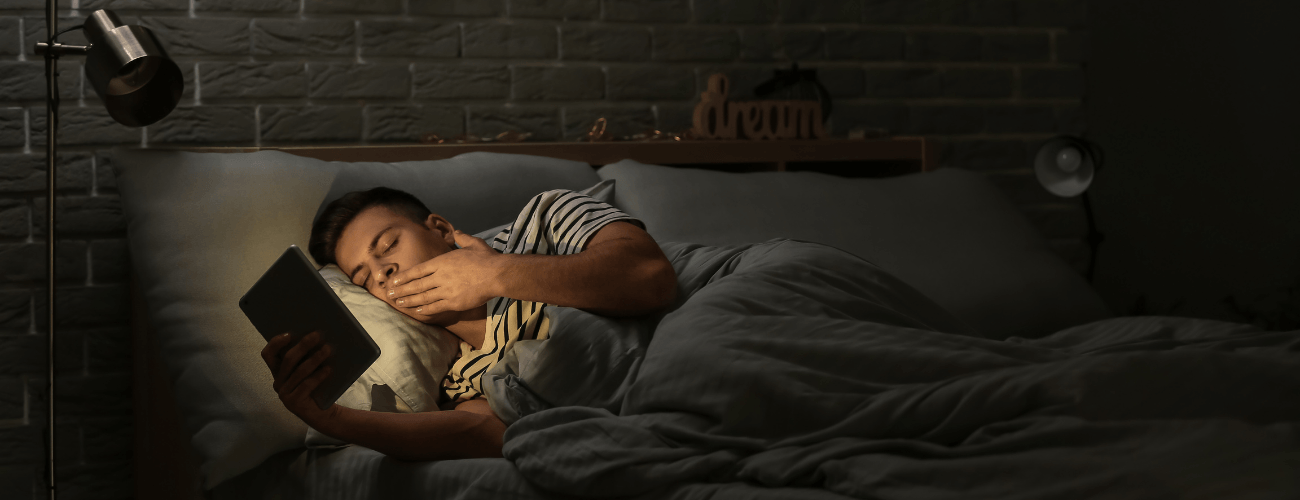
Sleep is often one of the first things people sacrifice when life becomes busy.
Work deadlines, family responsibilities, social commitments, travel, and endless digital distractions can make it tempting to cut back on sleep in favour of getting more done.
For many people, sleeping less has become normal.
Unfortunately, normal does not necessarily mean healthy.
Over the past two decades, researchers have developed a much deeper understanding of the relationship between sleep and long-term health.
Evidence increasingly suggests that sleep is not simply a period of rest.
It is a fundamental biological process that supports nearly every system in the body.
When sleep becomes consistently inadequate, the consequences may extend far beyond daytime fatigue.
Researchers have linked chronic sleep deprivation with a range of long-term health concerns, including cardiovascular disease, type 2 diabetes, impaired immune function, mental health challenges, and cognitive decline.
Understanding these connections can help explain why sleep is increasingly viewed as a cornerstone of preventive health.
What Is Sleep Deprivation?
Sleep deprivation occurs when a person does not obtain enough sleep to meet the body’s needs.
This may involve sleeping too few hours, experiencing frequent sleep interruptions, having poor sleep quality, or keeping irregular sleep schedules.
Sleep needs vary between individuals, but most adults generally require around seven to nine hours per night.
Consistently getting less than this may contribute to sleep deficiency over time.
Sleep deprivation is not only about one late night.
It becomes more concerning when insufficient sleep becomes a regular pattern.
A person may adapt psychologically to feeling tired, but the body may still experience measurable effects on metabolism, blood pressure, immune function, mood, and cognition.
For broader preventive health context, this article on preventive healthcare economics may be useful.
Why Sleep Matters
Sleep is an active biological process.
During sleep, the body performs functions related to physical recovery, memory consolidation, hormonal regulation, immune system activity, metabolic processes, emotional regulation, and brain maintenance.
Far from being “downtime,” sleep is essential maintenance for both body and mind.
The brain processes information, consolidates learning, regulates emotional memories, and supports cognitive performance.
The body regulates hormones, repairs tissues, supports immune signalling, and helps maintain metabolic balance.
This is why sleep deprivation and chronic disease are increasingly discussed together.
Poor sleep does not affect only energy levels.
It can influence multiple biological systems that shape long-term health.
6 Serious Health Risks Linked With Sleep Deprivation
Sleep alone does not determine whether a person develops chronic disease.
Genetics, age, diet, physical activity, stress, environment, smoking, alcohol, income, medical history, and healthcare access also matter.
However, research suggests sleep is an important part of the bigger health picture.
1. Cardiovascular Disease Risk May Increase
One of the strongest areas of research involves cardiovascular health.
Studies have found associations between insufficient sleep and increased risk of high blood pressure, coronary artery disease, heart attack, and stroke.
Several mechanisms may help explain these links.
Poor sleep can affect blood pressure regulation, inflammation, stress hormones, glucose metabolism, and autonomic nervous system activity.
During healthy sleep, blood pressure typically declines.
This nightly dip gives the cardiovascular system a period of relative recovery.
When sleep is too short, fragmented, or disrupted, this pattern may be affected.
Sleep deprivation and chronic disease risk should therefore be considered in the context of total heart health.
Diet, movement, smoking, alcohol, stress, and medical care all matter, but sleep is part of the same prevention conversation.
For related heart-health reading, this article on high blood pressure risks and management may be helpful.
2. Blood Sugar and Type 2 Diabetes Risk May Be Affected
Another major area of research involves glucose regulation.
Insufficient sleep may influence insulin sensitivity, blood sugar control, appetite regulation, and metabolic health.
When sleep is restricted, the body may become less efficient at handling glucose.
Sleep loss may also affect hormones involved in hunger and fullness, potentially influencing cravings, food choices, and energy intake.
These effects have led researchers to investigate links between sleep deprivation and type 2 diabetes risk.
Diabetes development is complex and influenced by many factors, including genetics, body composition, physical activity, diet, age, sleep, and social determinants of health.
However, sleep appears to be one piece of the broader metabolic health puzzle.
For more on glucose regulation, this article on blood sugar spikes after meals may be useful.
3. Appetite and Weight Regulation Can Shift
Sleep affects hormones involved in hunger and satiety.
Two commonly discussed hormones are ghrelin and leptin.
Ghrelin helps stimulate hunger, while leptin helps signal fullness.
Sleep deprivation may influence these hormones in ways that increase appetite or alter food preferences in some people.
Many people also notice that after poor sleep they crave sugary, salty, or higher-calorie foods.
This may reflect changes in reward pathways, stress response, energy needs, and decision-making.
Poor sleep can also reduce motivation for physical activity.
Over time, these effects may contribute to weight gain or make weight management more difficult.
This does not mean lack of sleep alone causes obesity.
However, it helps explain why sleep is increasingly included in conversations about metabolic health.
For related nutrition guidance, this article on protein intake per day may be helpful.
4. Immune Function May Be Weakened
The immune system relies on adequate sleep to function effectively.
Researchers have observed that sleep plays a role in immune regulation, inflammatory responses, recovery from illness, and infection defence mechanisms.
Many people intuitively notice that illness brings fatigue and a stronger need for rest.
This may reflect the body’s need for restorative processes supported by sleep.
Sleep deprivation may disrupt immune signalling and increase vulnerability to certain infections or slower recovery in some contexts.
However, sleep should not be presented as a cure for disease.
It is one factor that supports immune resilience alongside vaccination, nutrition, hygiene, medical care, movement, and stress management.
Sleep deprivation and chronic disease may also be connected through inflammation, which is involved in many long-term health conditions.
5. Cognitive Function and Brain Health Can Decline
Even short periods of inadequate sleep may affect attention, reaction time, decision-making, concentration, memory, and learning.
Many people underestimate how strongly sleep affects cognitive performance.
Sleep loss can make the brain slower, less flexible, and more prone to errors.
This has implications for driving, workplace safety, studying, healthcare work, parenting, and decision-making.
Sleep has also become an important topic in dementia and brain-ageing research.
Scientists are investigating how sleep quality may influence processes involved in brain maintenance over time.
This does not mean sleep deprivation directly causes dementia.
The relationship is complex and still being studied.
However, healthy sleep appears to be one of the lifestyle factors that may support long-term cognitive health.
For brain-health nutrition context, this article on nutritional psychiatry may be useful.
6. Mental Health and Emotional Regulation Are Affected
Mental health and sleep are closely connected.
Poor sleep may influence mood, emotional regulation, stress tolerance, anxiety, irritability, and psychological wellbeing.
The relationship is bidirectional.
Sleep problems can worsen mental health symptoms, while anxiety, depression, trauma, stress, and burnout can make sleep harder.
This creates a cycle that can be difficult to break.
For example, stress may make it harder to fall asleep.
Poor sleep may then make the next day feel more stressful.
Over time, this pattern can affect wellbeing, relationships, work performance, and daily functioning.
Sleep is not a replacement for therapy, medication, crisis support, or professional mental health care.
However, improving sleep can be an important part of a broader mental health plan.
For related support, this article on burnout recovery may be helpful.
The Growing Problem of Sleep Deficiency
Modern lifestyles have created conditions that make adequate sleep increasingly difficult.
Common contributors include shift work, long work hours, screen use before bedtime, stress, travel, social schedules, caregiving, pain, noise, and sleep disorders.
Digital devices also play a role for many people.
Late-night scrolling can delay bedtime, increase mental stimulation, and expose people to bright light when the body is preparing for sleep.
Work culture can also undermine sleep.
Some workplaces reward constant availability, long hours, and productivity at the expense of rest.
Over time, chronic sleep deficiency can become normalised.
The problem is that the body still needs sleep, even when society treats it as optional.
Sleep Deprivation and Blood Pressure
During healthy sleep, blood pressure usually falls.
This is sometimes called nocturnal dipping.
It gives the cardiovascular system a nightly recovery period.
When sleep is inadequate, fragmented, or disrupted by conditions such as sleep apnoea, blood pressure regulation may be affected.
Researchers have observed links between chronic sleep deficiency and elevated blood pressure in some populations.
This matters because high blood pressure is a major risk factor for heart disease and stroke.
Anyone with snoring, choking, gasping, morning headaches, daytime sleepiness, or resistant high blood pressure should discuss possible sleep disorders with a healthcare professional.
Sleep apnoea is common, underdiagnosed, and treatable.
Sleep, Appetite and Food Choices
Sleep deprivation can influence eating behaviour in several ways.
People may feel hungrier after poor sleep.
They may crave more energy-dense foods.
They may have less motivation to prepare balanced meals.
They may rely more on caffeine, sugar, or convenience foods to push through fatigue.
Sleep loss can also affect decision-making and impulse control, making it harder to follow healthy intentions.
This is why weight management advice that ignores sleep can feel incomplete.
Nutrition and physical activity remain essential, but sleep supports the behaviours that make them sustainable.
For broader diet-quality guidance, this article on Mediterranean diet evidence may be useful.
Sleep and Illness Recovery
Sleep supports recovery from illness and physical stress.
During sleep, the body regulates immune activity, repairs tissues, and coordinates hormonal processes.
When people are sick, they often feel a stronger drive to sleep.
This is not laziness.
It may be part of the body’s recovery response.
However, sleep is not a treatment for serious illness on its own.
Persistent symptoms, infections, breathing problems, pain, fever, or worsening health concerns should be assessed by a healthcare professional.
Good sleep supports recovery, but it works alongside appropriate medical care.
Understanding Circadian Rhythms
The body operates according to an internal biological clock known as the circadian rhythm.
This system helps regulate sleep timing, hormone release, body temperature, appetite, digestion, alertness, and metabolic processes.
Circadian rhythm disruption can occur when sleep and wake times are irregular or misaligned with natural light-dark cycles.
Shift workers are especially vulnerable because they may need to stay awake at night and sleep during the day.
Travel across time zones can also temporarily disrupt circadian rhythms.
Light exposure, meal timing, exercise timing, and sleep schedules can all influence circadian alignment.
Healthy sleep is not only about duration.
Timing and consistency matter too.
Why Modern Life Challenges Healthy Sleep
Many aspects of contemporary life work against healthy sleep.
Digital devices can keep the brain engaged late into the night.
Work demands may reduce sleep opportunity.
Stress can increase arousal and make it difficult to fall asleep.
Caffeine late in the day can delay sleep.
Alcohol may make people sleepy initially but can disrupt sleep quality.
Noise, light, heat, uncomfortable bedding, and caregiving demands can fragment sleep.
Sleep disorders such as insomnia, sleep apnoea, restless legs syndrome, and circadian rhythm disorders can also reduce sleep quality.
When sleep deprivation becomes persistent, sleep hygiene alone may not be enough.
Professional assessment may be needed.
Common Myths About Sleep
Myth 1: You Can Train Yourself to Need Less Sleep
Most evidence suggests sleep needs are biologically determined rather than easily trained away.
Some people believe they function well on very little sleep, but performance and health effects may still occur.
Myth 2: Weekend Catch-Up Sleep Fixes Everything
Extra sleep may help reduce some short-term effects of sleep loss.
However, it may not fully eliminate the consequences of chronic sleep deprivation or irregular sleep schedules.
Myth 3: Sleep Is Passive Rest
Sleep involves numerous active biological processes that support memory, immunity, metabolism, hormone regulation, emotional balance, and brain health.
Myth 4: Feeling Fine Means You Are Not Sleep Deprived
People may adapt subjectively to chronic sleep restriction while still experiencing measurable cognitive, metabolic, and health effects.
Myth 5: Only Sleep Quantity Matters
Sleep duration matters, but sleep quality, timing, regularity, and untreated sleep disorders also matter.
Practical Ways to Support Healthy Sleep
Evidence-based sleep habits may include maintaining a regular sleep schedule, creating a comfortable sleep environment, limiting screen exposure before bed, managing stress, engaging in regular physical activity, and avoiding excessive caffeine late in the day.
A cool, dark, quiet bedroom can support sleep quality.
Morning light exposure may help reinforce circadian rhythms.
A calming bedtime routine can signal to the brain that it is time to wind down.
Regular physical activity can improve sleep, although intense exercise too close to bedtime may affect some people.
Alcohol should not be used as a sleep aid because it can reduce sleep quality.
If sleep problems persist despite healthy habits, medical advice is important.
Insomnia, sleep apnoea, chronic pain, anxiety, depression, medication effects, and hormonal changes may all require targeted care.
When to Seek Professional Help
Consider seeking help if you regularly struggle to fall asleep, wake frequently, wake too early, feel unrefreshed, or experience daytime sleepiness.
Medical advice is also important if you snore loudly, gasp or choke during sleep, have morning headaches, experience restless legs, fall asleep unintentionally, or feel unsafe driving due to tiredness.
People with chronic disease risk factors should take sleep concerns seriously.
This includes people with high blood pressure, type 2 diabetes, obesity, cardiovascular disease, depression, anxiety, chronic pain, or shift-work schedules.
Sleep deprivation and chronic disease can interact in both directions.
Treating sleep problems may support broader health management.
What the Research Currently Suggests
The strongest conclusion from modern sleep science is clear:
Sleep is not optional for good health.
Research increasingly links chronic sleep deprivation with cardiovascular disease, metabolic dysfunction, immune system changes, cognitive impairment, mood disruption, and reduced wellbeing.
These links do not mean sleep alone determines chronic disease risk.
Health is multifactorial.
However, sleep appears to be an important contributor to overall health.
For many people, protecting sleep may be one of the most practical preventive health steps available.
Looking Ahead
The growing scientific interest in sleep reflects a broader shift in how health is understood.
For many years, preventive health focused primarily on diet, exercise, smoking, and alcohol consumption.
Today, sleep is increasingly recognised as another essential pillar of health alongside these established lifestyle factors.
As research continues to evolve, one message remains consistent:
Prioritising sleep is not a luxury.
It is an investment in long-term physical, mental, and cognitive wellbeing.
In a world that often celebrates busyness, protecting sleep may be one of the most important health decisions people can make.
Conclusion
Sleep deprivation and chronic disease are connected through multiple biological pathways.
Poor sleep may affect blood pressure, glucose regulation, appetite, immune function, inflammation, cognition, and emotional wellbeing.
One poor night of sleep is not a disaster.
The concern is repeated, insufficient, disrupted, or poor-quality sleep over time.
Healthy sleep supports the body’s ability to regulate, repair, recover, and function.
For most adults, aiming for around seven to nine hours of good-quality sleep per night is a practical starting point.
When sleep problems are persistent, professional assessment can help identify underlying causes and guide treatment.
Sleep is not wasted time.
It is one of the foundations of long-term health.
Frequently Asked Questions
What are the effects of sleep deprivation?
Sleep deprivation may affect mood, concentration, reaction time, decision-making, immune function, metabolic health, appetite regulation, cardiovascular wellbeing, and overall quality of life.
How much sleep do adults need?
Most adults generally need around seven to nine hours of sleep per night, although individual needs vary. Sleep quality and regularity also matter.
Can lack of sleep increase chronic disease risk?
Research has identified associations between chronic sleep deficiency and conditions such as cardiovascular disease, type 2 diabetes, obesity, depression, immune dysfunction, and aspects of cognitive decline.
Can you recover from sleep deprivation?
Additional sleep may help address some short-term effects of sleep loss, but chronic sleep deprivation usually requires consistent improvements in sleep duration, quality, timing, and underlying sleep problems.
When should I see a doctor about sleep problems?
Seek professional advice if sleep difficulties persist, affect daytime functioning, involve loud snoring or gasping, or occur alongside chronic health conditions such as high blood pressure, diabetes, depression, or heart disease.
References
https://www.cdc.gov/cdi/indicator-definitions/sleep.html
https://www.cdc.gov/pcd/issues/2023/23_0197.htm
https://www.ncbi.nlm.nih.gov/sites/books/NBK19961
https://www.health.harvard.edu/sleep/how-sleep-deprivation-can-harm-your-health
https://www.health.harvard.edu/sleep/effects-of-sleep-deprivation
https://www.nature.com/articles/s42003-021-02825-4
https://www.sleephealthjournal.org
https://www.thensf.org/how-many-hours-of-sleep-do-you-really-need/