
Imagine sleeping for eight hours every night and still waking up exhausted.
For millions of people around the world, that is a daily reality.
Sleep apnea is one of the most common sleep disorders globally, affecting an estimated one billion people. Yet despite its prevalence, experts believe a significant proportion of cases remain undiagnosed.
Many people dismiss symptoms as stress, ageing, poor sleep habits, or simply being “tired all the time.” Others may not realise they have a sleep disorder at all until a partner notices loud snoring or pauses in breathing during sleep.
The encouraging news is that advances in screening and home-based testing are making it easier than ever for healthcare providers to identify people who may be living with undiagnosed sleep apnea.
Understanding the warning signs, risk factors, and modern screening options may help people seek assessment earlier and access appropriate care.
What Is Sleep Apnea?
Sleep apnea is a condition in which breathing repeatedly stops and starts during sleep.
The most common form is obstructive sleep apnea, also known as OSA, which occurs when the airway becomes partially or completely blocked while sleeping.
These interruptions can happen multiple times throughout the night, often without the person being aware of them.
As a result, sleep quality may become significantly disrupted, even when someone appears to be sleeping for an adequate number of hours.
Why So Many Sleep Apnea Cases Go Undiagnosed
One of the biggest challenges with sleep apnea is that many symptoms occur while a person is asleep.
Unlike conditions that cause obvious daytime symptoms, the condition may develop gradually over many years.
Many people attribute symptoms to busy lifestyles, stress, ageing, shift work, parenting responsibilities, or poor sleep habits.
Because symptoms can overlap with numerous other conditions, sleep apnea may not immediately be considered.
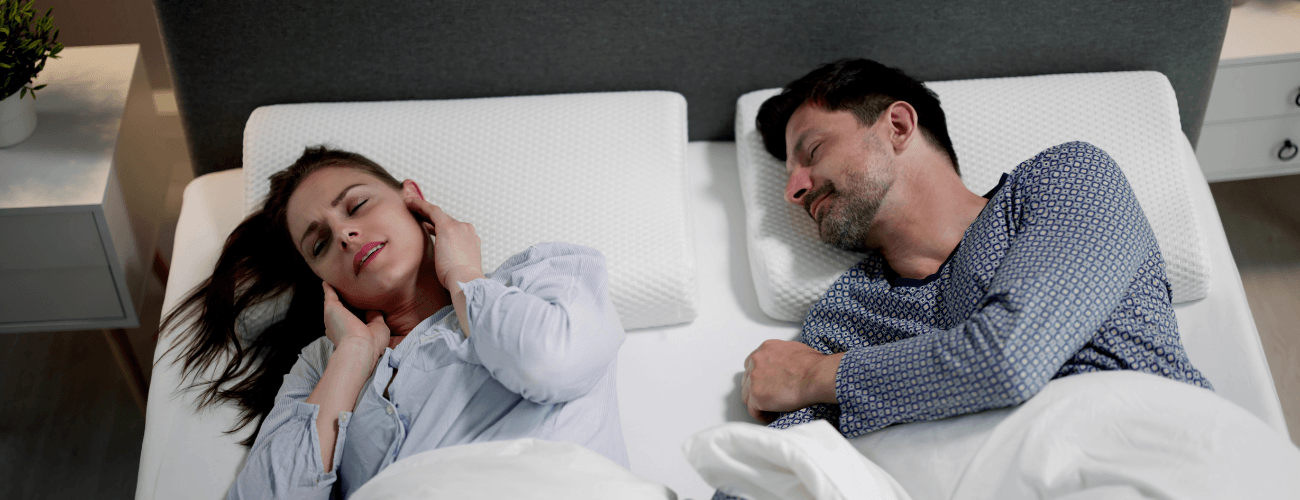
In some cases, a bed partner or family member may notice symptoms before the affected individual does.
If medical terms during appointments feel confusing, this guide on understanding medical jargon may help patients feel more prepared.
7 Critical Sleep Apnea Warning Signs
Symptoms can vary from person to person. Some people have obvious signs, while others only notice daytime tiredness or poor concentration.
1. Loud Snoring
Not everyone who snores has sleep apnea.
However, loud and persistent snoring is one of the most recognised warning signs.
2. Pauses in Breathing During Sleep
Some people experience repeated interruptions in breathing throughout the night.
These pauses are often noticed by a partner rather than the individual themselves.
3. Excessive Daytime Sleepiness
Many people with the condition report constant tiredness, difficulty concentrating, reduced alertness, or fatigue despite adequate time in bed.
Ongoing tiredness can also affect daily routines, work, motivation, and overall wellbeing. For broader lifestyle support, this guide to building a healthy lifestyle in 2026 may be useful.
4. Morning Headaches
Poor sleep quality and disrupted oxygen levels during sleep may contribute to morning headaches in some individuals.
5. Difficulty Concentrating
Sleep disruption can affect attention, memory, focus, and overall cognitive performance.
6. Mood Changes
Some people report irritability, low mood, reduced motivation, or increased stress sensitivity.
Because sleep and mental wellbeing are closely connected, people living with ongoing symptoms may benefit from appropriate emotional support. This article on online support groups for chronic illness may provide helpful context.
7. Ongoing Poor Sleep Quality
Some people do not remember waking during the night but still feel unrefreshed in the morning.
Persistent poor sleep quality should not automatically be dismissed as normal, especially when it occurs alongside snoring, daytime fatigue, or witnessed breathing pauses.
Who Is at Higher Risk of Sleep Apnea?
Sleep apnea can affect people of all ages, genders, and body types.
However, certain factors may increase risk, including excess body weight, increasing age, family history, high blood pressure, type 2 diabetes, smoking, alcohol use, and structural airway differences.
Because high blood pressure is one possible associated risk factor, this guide on high blood pressure symptoms, risks and management may be helpful for readers wanting more background.
Type 2 diabetes and metabolic health may also be relevant for some individuals. You can read more in this guide to prediabetes and metabolic reset.
Importantly, not everyone with the condition fits a stereotypical profile. This is one reason why some cases remain undiagnosed for extended periods.
Why Screening Matters
Screening aims to identify people who may require further assessment.
It does not provide a diagnosis on its own. Instead, screening helps healthcare professionals determine whether additional testing may be appropriate.
People experiencing ongoing symptoms or multiple risk factors may benefit from discussing sleep concerns with a healthcare provider.
How Sleep Apnea Is Diagnosed
A diagnosis typically involves a combination of medical history, symptom review, physical assessment, and sleep testing.
Because symptoms overlap with many other conditions, self-diagnosis is not recommended.
A formal assessment helps determine whether sleep apnea or another sleep-related condition may be contributing to symptoms.
The Rise of Home Sleep Apnea Testing
One of the most significant developments in recent years has been the increased availability of home-based sleep testing.
A home sleep apnea test allows some patients to undergo sleep monitoring in their own home rather than spending a night in a sleep laboratory.
Depending on individual circumstances, home testing may involve monitoring breathing patterns, oxygen levels, heart rate, and sleep-related movements.
For some patients, home testing can offer a more convenient pathway to assessment.
However, home testing is not suitable for every situation. Healthcare providers determine which testing approach is most appropriate based on individual symptoms, medical history, and clinical needs.
What the Latest Sleep Apnea Screening Shows
Advances in screening technology are helping improve access to sleep assessments.
Healthcare providers are increasingly able to identify at-risk individuals earlier, assess symptoms more efficiently, expand access to home-based testing, and improve referral pathways for further evaluation.
Wearable devices and digital health tools are also changing how some people track sleep and health patterns. This guide on wearable health technology and early detection may provide useful background.
While screening methods continue to evolve, formal diagnosis still requires appropriate clinical assessment and interpretation.
What Happens After Diagnosis?
Treatment recommendations depend on severity, symptoms, overall health, and individual circumstances.
Potential management options may include lifestyle modifications, CPAP therapy, oral appliances, sleep position strategies, specialist referral, and surgical assessment in selected cases.
Not every treatment option is suitable for every person, which is why personalised care remains important.
For readers interested in personalised approaches to long-term health, this guide to a personalised health plan may be useful.
Can Sleep Apnea Be Cured?
Many people search for a simple cure.
The reality is that management depends on the underlying cause and individual circumstances.
Some people achieve significant improvement in symptoms through treatment and lifestyle changes, while others require ongoing management.
Because this is a complex condition, treatment plans should always be guided by qualified healthcare professionals.
When Should You Seek Assessment?
It may be worth discussing sleep concerns with a healthcare provider if you experience persistent daytime fatigue, loud habitual snoring, witnessed pauses in breathing, morning headaches, difficulty concentrating, or ongoing sleep disruption.
Early assessment may help identify contributing factors and determine whether further investigation is needed.
Looking Ahead
Sleep apnea remains one of the most underdiagnosed health conditions worldwide, despite affecting millions of people.
As screening methods continue to improve and home sleep testing becomes more accessible, more individuals may have opportunities to identify previously unrecognised sleep disorders.
The most important takeaway is that persistent fatigue, loud snoring, and poor sleep quality should not automatically be accepted as normal.
For people experiencing ongoing symptoms, discussing sleep concerns with a healthcare professional may be an important first step toward understanding what is happening and exploring appropriate assessment options.
Frequently Asked Questions
What are the warning signs of sleep apnea?
Common warning signs may include loud snoring, witnessed pauses in breathing, excessive daytime sleepiness, morning headaches, and difficulty concentrating.
Can I diagnose sleep apnea myself?
No. While symptoms may raise suspicion, a formal diagnosis requires clinical assessment and appropriate sleep testing.
What is a home sleep apnea test?
A home sleep apnea test is a form of sleep monitoring performed in the patient’s home. It may be appropriate for some individuals, depending on their symptoms and medical history.
Does everyone who snores have sleep apnea?
No. Snoring is common and can occur for many reasons. However, persistent loud snoring may warrant further assessment, particularly when combined with other symptoms.
References
https://www.sleephealthfoundation.org.au/
https://www.healthdirect.gov.au/sleep-apnoea
https://www.lungfoundation.com.au/
https://www.nhlbi.nih.gov/health/sleep-apnea
https://sleepeducation.org/
https://www.who.int/