
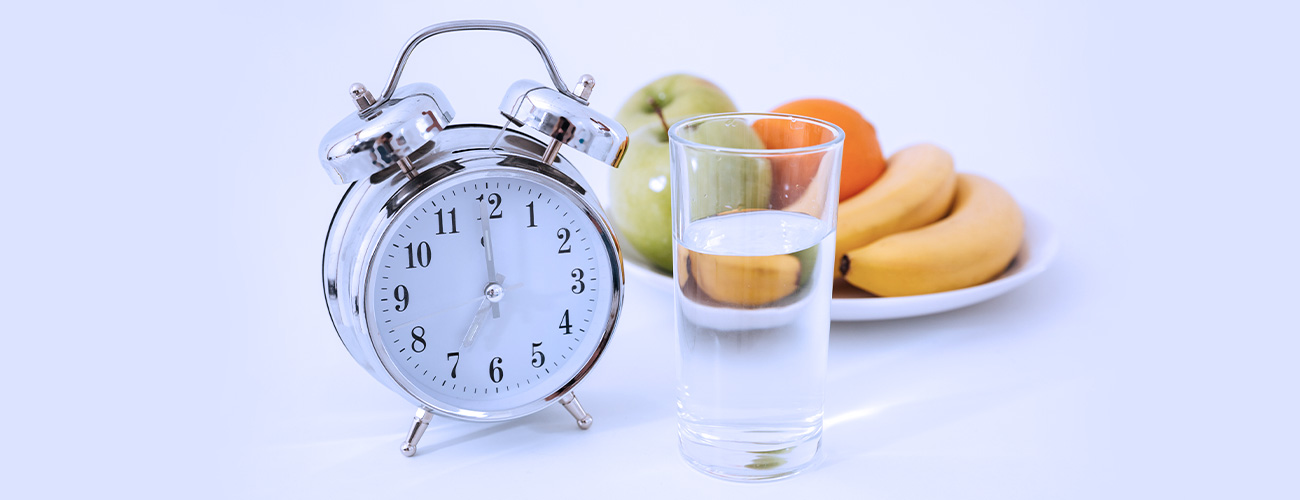
Intermittent Fasting Explained Simply: Beyond the Buzzword
Intermittent Fasting (IF) is not a diet; it’s an eating pattern. Unlike traditional diets that focus on what you eat, IF focuses on when you eat. It alternates between defined periods of eating and periods of fasting (low or no food intake). This simple shift in timing can change how your body processes energy, offering benefits that extend far beyond weight loss.
For many, this approach is more sustainable than restrictive dieting. The key, however, is starting safely and understanding the intermittent fasting rules’ easy explanation before jumping in.
Getting Started: Intermittent Fasting 16/8 Schedule for Beginners
The most popular and arguably simplest method of IF is the 16/8 plan, often called Time-Restricted Eating. It is the best starting point for the majority of people in Australia.
The method breaks the 24-hour day into two parts:
1. The Fasting Window (16 Hours): You consume only water, black coffee, or plain tea (zero-calorie drinks). Most of this window is spent sleeping, making it relatively easy to manage.
2. The Eating Window (8 Hours): You consume all your regular meals and snacks within this 8-hour period.
A Common 16/8 Schedule:
● Fast: 8:00 PM (after dinner) to 12:00 PM (noon) the next day.
● Eat: 12:00 PM (noon) to 8:00 PM.
Other popular methods include the Intermittent Fasting 5/2 Diet, where you eat normally five days a week and restrict calories to 2000–3000 kilojoules on the remaining two days (Healthdirect, 2025).
How It Works: Intermittent Fasting Autophagy Benefits Explained
The effectiveness of Intermittent Fasting is rooted in how your body handles fuel. When you are constantly eating, your body runs on glucose (sugar) from food. During the fasting window, your body exhausts its sugar stores (glycogen) and switches to burning stored fat for energy—a process called ketosis.
More profound benefits are linked to autophagy. Intermittent fasting autophagy benefits explained essentially mean cellular repair. When food intake is restricted, your cells initiate a clean-up process where they digest and remove old, damaged, or dysfunctional proteins that have built up. This cellular recycling process is thought to contribute to anti-ageing effects, reduced inflammation, and better overall cellular function (Healthdirect, 2025).
Safety First: Is Intermittent Fasting Safe for Women Australia?
While IF can be beneficial for many, it is crucial for women to approach it with caution and medical supervision. Research suggests that women’s bodies can be more sensitive to stress and calorie restriction during hormonal factors.
Groups who should AVOID Intermittent Fasting (unless under strict medical and/or dietetic supervision):
● Pregnant or breastfeeding women.
● Individuals who are underweight or have a history of eating disorders.
● Adolescents and children under 18.
● People taking medications for diabetes, or those with underlying chronic health conditions.
The best way to determine if intermittent fasting is safe for women in Australia is to consult with your GP Doctor or an Accredited Practising Dietitian (Dietitians Australia, 2025). They can assess your individual needs and help you create a nutritionally complete eating plan.
Making It Sustainable: Practical Tips
To successfully follow a simple guide to intermittent fasting Australia:
1. Hydrate: Drink plenty of water during the fasting window. You can also have black coffee or unsweetened tea. This helps manage hunger and prevents dehydration.
2. Focus on Nutrition: The eating window is not a license to overeat. Focus on whole, nutritious foods like vegetables, fruits, whole grains, and lean proteins to ensure you are meeting all your nutrient needs (Dietitians Australia, 2025).
3. Start Slow: Begin with a simple 12-hour fast (e.g., finishing dinner at 7 PM and eating breakfast at 7 AM) before attempting the 16/8 schedule.
4. Listen to Your Body: If you experience extreme weakness, headaches, nausea, or intense irritability, stop the fast and consult your healthcare provider.
Intermittent fasting is a powerful tool, but it is not a magic solution. For lasting health benefits, combine this eating pattern with a nutritionally sound diet and regular physical activity.
FAQ’S
1. What is the easiest intermittent fasting schedule for beginners?
The simplest method for beginners is the 16/8 intermittent fasting schedule, where you fast for 16 hours and eat within an 8-hour window. This approach is easy because most of the fast happens overnight. It supports weight loss, balanced energy, and stable blood sugar. Many Australians start with 12-hour fasting and gradually move to the 16/8 method for a more sustainable fasting routine.
2. How does intermittent fasting help with autophagy and fat burning?
Intermittent fasting activates autophagy, the body’s natural cellular repair process, which removes damaged proteins and improves cell health. During fasting, your body also switches from glucose to fat burning, supporting metabolic balance and long-term health. These intermittent fasting autophagy benefits contribute to reduced inflammation, better energy, and healthier ageing. Autophagy typically increases once glycogen stores are depleted during extended fasting periods.
3. Is intermittent fasting safe for women in Australia?
Intermittent fasting can be safe for many women, but factors like hormones, stress levels, and medical conditions must be considered. Some women may experience low energy, cycle changes, or increased stress from fasting. Pregnant women, breastfeeding mothers, teens, and anyone with eating-disorder history should avoid fasting without medical supervision. Speak with your GP or dietitian to confirm whether intermittent fasting for women is safe for your individual needs.
4. What can I drink during the fasting window?
During the fasting period, you can drink water, black coffee, herbal tea, or other zero-calorie beverages. These maintain hydration without breaking your fast. Drinks with sugar, milk, or calories interrupt the fasting process and reduce benefits like fat burning and autophagy activation. Staying hydrated also helps manage hunger and supports a smoother transition into a simple intermittent fasting routine.
5. How can I make intermittent fasting easier and more sustainable?
To keep intermittent fasting sustainable, start slowly with a 12-hour fast and work toward a 16/8 routine. Eat nutrient-dense whole foods during your eating window, stay hydrated, and avoid overeating after fasting. Listening to your body is essential stop fasting if you feel dizzy, weak, or unwell. Combining fasting with balanced nutrition and regular exercise makes intermittent fasting Australia more effective and easier to maintain long term.
Trusted References
1. Healthdirect. (2025). Intermittent fasting. Retrieved from https://www.healthdirect.gov.au/intermittent-fasting
2. Dietitians Australia. (2025). Intermittent fasting. Retrieved from https://dietitiansaustralia.org.au/health-advice/intermittent-fasting