Few nutrition topics generate as much confusion as the relationship between processed meat and cancer.
Headlines often swing between extremes:
“Processed meat causes cancer.”
“Everything causes cancer.”
“You should never eat bacon again.”
“The risks are exaggerated.”
For many people, the result is uncertainty.
Should processed meat be avoided entirely? Is an occasional sandwich a concern? How strong is the evidence? And what does it actually mean when processed meat is classified as a carcinogen?
These questions became especially prominent after the International Agency for Research on Cancer, or IARC, classified processed meat as a Group 1 carcinogen.
The announcement attracted worldwide attention and remains one of the most discussed nutrition-related cancer topics.
Understanding what the evidence actually shows can help people make informed dietary decisions without unnecessary fear or confusion.
What Is Processed Meat?
Processed meat refers to meat that has been altered through methods intended to improve preservation, flavour, texture, or shelf life.
Common processing methods include curing, smoking, salting, fermentation, drying, and chemical preservation.
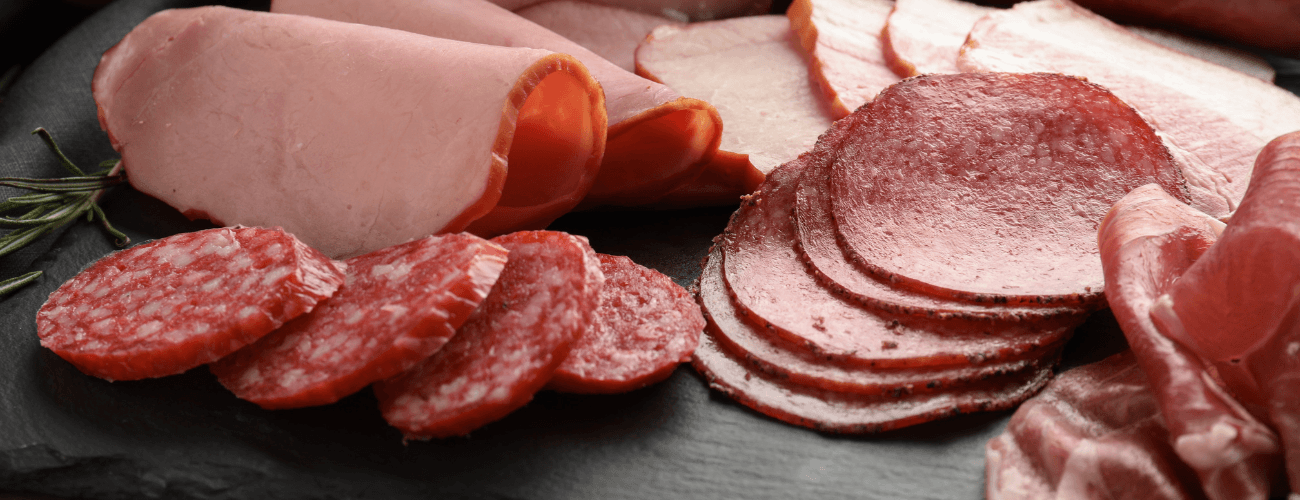
Examples of processed meat include bacon, ham, salami, pepperoni, frankfurts, sausages, hot dogs, corned beef, some deli meats, and certain cured or smoked meat products.
It is important to distinguish processed meat from fresh, unprocessed meat.
A fresh cut of beef, lamb, pork, chicken, or turkey is not automatically considered processed meat.
However, once meat is preserved through curing, smoking, salting, or similar methods, it generally falls into the processed meat category.
This distinction matters because the evidence for processed meat and cancer is generally stronger than the evidence for unprocessed red meat.
For broader nutrition context, this article on Mediterranean diet evidence in 2026 may be useful.
Why Did Processed Meat Become a Public Health Concern?
Researchers have studied diet and cancer risk for decades.
Over time, numerous observational studies identified associations between higher processed meat consumption and increased risk of certain cancers, particularly colorectal cancer.
As evidence accumulated, international health organisations began evaluating the strength and consistency of the findings.
This led to one of the most widely discussed decisions in nutrition science.
In 2015, IARC reviewed a large body of scientific evidence on red meat, processed meat and cancer risk.
Following that review, processed meat was classified as carcinogenic to humans.
The announcement created confusion because many people misunderstood what the classification meant.
The key point is that the classification refers to evidence strength, not the exact size of risk.
6 Evidence-Based Facts About Processed Meat and Cancer
The international evidence is important, but it needs context.
These six points help explain what is known, what is often misunderstood, and how people can apply the findings in everyday life.
1. Processed Meat Is Classified as a Group 1 Carcinogen
IARC classified processed meat as a Group 1 carcinogen.
This means there is sufficient evidence that processed meat can cause cancer in humans under certain circumstances.
The strongest evidence relates to colorectal cancer, also known as bowel cancer.
However, Group 1 does not mean all carcinogens are equally dangerous.
Tobacco smoke, asbestos, alcohol, ultraviolet radiation, and processed meat can all fall into Group 1, but the level of risk differs greatly between them.
Smoking carries a much larger cancer risk than eating processed meat.
The classification tells us how confident scientists are that an exposure can cause cancer, not how large the risk is compared with other exposures.
This distinction is essential for understanding processed meat and cancer without exaggeration.
2. The Main Cancer Link Is Colorectal Cancer
The most consistent evidence links processed meat with colorectal cancer.
Colorectal cancer affects the colon or rectum and is one of the most common cancers worldwide.
Risk is influenced by many factors, including age, genetics, family history, inflammatory bowel disease, body weight, physical activity, alcohol, smoking, dietary patterns, and screening access.
Processed meat is one potential contributor among many.
This means people should avoid both extremes.
It is not accurate to say that one serving of processed meat guarantees cancer.
It is also not accurate to dismiss the evidence entirely.
The concern is mainly about long-term dietary patterns and repeated exposure over time.
For wider prevention context, this article on preventive healthcare economics may be helpful.
3. The Evidence Is Strong, but Mostly Observational
The evidence linking processed meat and cancer is considered substantial because findings have been observed across many studies and populations.
Researchers have examined population studies, long-term dietary research, meta-analyses, biological mechanisms, and cancer outcomes.
However, much of nutrition research is observational.
Observational studies can identify associations, but they cannot always prove cause and effect in the same way as a tightly controlled laboratory experiment.
This is one reason nutrition headlines can be confusing.
Still, when multiple studies across different populations show similar patterns, and plausible biological mechanisms exist, public health organisations may treat the evidence as important enough to guide recommendations.
That is what happened with processed meat.
The evidence is not based on a single study or headline.
It reflects a large international research review.
4. Risk Depends on Long-Term Patterns, Not One Meal
A common misunderstanding is that eating one hot dog, bacon sandwich, or slice of salami means cancer is inevitable.
That is not how cancer risk works.
Cancer develops through complex interactions involving genetics, environment, lifestyle, immune function, ageing, random cellular changes, and long-term exposures.
The concern with processed meat and cancer relates mainly to habitual intake.
Eating processed meat occasionally is different from eating it frequently as a daily staple.
The more useful question is not “Did I eat processed meat once?”
It is “How often is processed meat part of my overall eating pattern?”
Many health organisations recommend limiting processed meat rather than focusing on panic or perfection.
This approach supports practical, sustainable nutrition decisions.
5. Processing Methods May Create Risk-Related Compounds
Researchers continue to investigate how processed meat may increase cancer risk.
Several mechanisms have been proposed.
Some processed meats contain nitrites or nitrates, which can contribute to the formation of N-nitroso compounds under certain conditions.
Smoking and curing can introduce or generate compounds that may affect cancer risk.
High-temperature cooking methods can also produce chemicals such as heterocyclic amines and polycyclic aromatic hydrocarbons.
Red and processed meats also contain heme iron, which has been studied as a possible contributor to colorectal cancer risk.
These mechanisms are complex and still being researched.
The important point is that processed meat differs from fresh meat not only because of the meat itself, but also because of preservation methods, additives, cooking practices, and overall dietary context.
6. Overall Diet and Lifestyle Still Matter
One of the most important lessons from nutrition science is that individual foods rarely determine health outcomes on their own.
Researchers increasingly focus on overall dietary patterns.
Protective dietary habits often include vegetables, fruits, legumes, whole grains, nuts, seeds, and fibre-rich foods.
Lifestyle factors also matter.
Cancer prevention is influenced by physical activity, body weight, alcohol intake, smoking, sleep, healthcare access, screening, genetics, and environmental exposures.
Reducing processed meat can be one helpful step, but it should be viewed as part of a broader prevention strategy.
For practical diet quality support, this article on foods that support gut health may be useful.
What Is Colorectal Cancer?
Colorectal cancer develops in the large intestine, which includes the colon and rectum.
It may begin as abnormal growths called polyps, some of which can become cancerous over time.
Because colorectal cancer can develop gradually, screening plays an important role in prevention and early detection.
Risk factors may include older age, family history, certain inherited conditions, inflammatory bowel disease, smoking, alcohol use, physical inactivity, higher body weight, and some dietary patterns.
Processed meat and cancer discussions usually focus on colorectal cancer because this is where the evidence is strongest.
However, anyone concerned about personal risk should speak with a qualified healthcare professional.
Colon Cancer Symptoms to Be Aware Of
Many people search for colon cancer symptoms after reading about diet and cancer risk.
Possible symptoms may include changes in bowel habits, blood in the stool, persistent abdominal discomfort, unexplained weight loss, fatigue, or changes in stool appearance.
These symptoms can occur for many reasons and do not automatically mean cancer.
For example, haemorrhoids, infections, irritable bowel syndrome, inflammatory bowel disease, diet changes, and medications can also affect bowel habits.
However, persistent or unexplained symptoms should always be assessed by a healthcare professional.
Early evaluation can help identify the cause and guide appropriate care.
Processed Meat vs Red Meat
Processed meat and red meat are related but distinct categories.
Processed meat includes meats preserved through curing, smoking, salting, fermentation, or similar methods.
Red meat includes fresh beef, lamb, pork, goat, and similar meats.
The evidence linking processed meat to colorectal cancer is generally considered stronger than the evidence for unprocessed red meat.
This does not mean red meat intake is irrelevant.
Some health organisations recommend limiting red meat, especially when intake is high.
However, processed meat is usually treated more cautiously because of the strength of the evidence and the effects of preservation methods.
What Do International Guidelines Recommend?
Many cancer prevention organisations recommend limiting processed meat intake.
They also encourage dietary patterns rich in plant-based foods, fibre, whole grains, legumes, fruits, vegetables, nuts, and seeds.
Other key cancer prevention strategies include maintaining a healthy weight, staying physically active, avoiding smoking, limiting alcohol, and participating in recommended screening programs.
These recommendations reflect the understanding that cancer prevention involves multiple lifestyle factors working together.
For most people, reducing processed meat is not about fear.
It is about shifting routine food choices toward a healthier long-term pattern.
Practical Ways to Reduce Processed Meat Intake
People who want to reduce processed meat do not need to overhaul their diet overnight.
Small changes can be effective and easier to maintain.
Try choosing fresh meats more often than cured or smoked meats.
Use beans, lentils, chickpeas, tofu, tempeh, eggs, fish, or poultry as alternative protein sources.
Replace processed meat sandwiches with hummus, tuna, egg, chicken, avocado, roasted vegetables, or bean-based fillings.
Add more vegetables and whole grains to meals.
Reserve bacon, salami, ham, hot dogs, and sausages for occasional rather than routine use.
The goal is not perfection.
The goal is reducing habitual exposure while improving overall diet quality.
For related protein guidance, this article on protein intake by age and activity level may be useful.
Common Myths About Processed Meat and Cancer
Myth 1: Processed Meat Causes Cancer in Everyone
Cancer risk varies between individuals and depends on many factors.
Processed meat can increase risk, but it does not guarantee cancer.
Myth 2: One Serving Is Dangerous
The main concern is long-term dietary patterns and repeated exposure, not one isolated meal.
Myth 3: Processed Meat Is the Only Dietary Risk Factor
Dietary risk involves many factors.
Overall eating patterns, fibre intake, alcohol, body weight, and physical activity all matter.
Myth 4: All Group 1 Carcinogens Carry the Same Risk
Group 1 reflects the strength of evidence that something can cause cancer.
It does not mean all Group 1 carcinogens carry the same level of danger.
How to Think About Risk Without Fear
Nutrition risk can be difficult to understand because people often want simple yes-or-no answers.
Processed meat and cancer evidence does not fit neatly into “safe” or “unsafe.”
Risk exists on a continuum.
More frequent intake is generally more concerning than occasional intake.
Personal risk also depends on age, genetics, family history, screening, lifestyle, and overall diet.
A balanced approach is usually best.
Limit processed meat, increase fibre-rich plant foods, stay active, avoid smoking, limit alcohol, maintain preventive health checks, and seek medical advice for persistent symptoms.
This approach is more useful than fear-based restriction or ignoring the evidence entirely.
Looking Ahead
The relationship between processed meat and cancer remains one of the most extensively studied topics in nutritional epidemiology.
Current evidence suggests that higher consumption of processed meat is associated with increased colorectal cancer risk, leading international organisations to classify processed meat as a Group 1 carcinogen.
At the same time, the conversation is often oversimplified.
The evidence does not suggest that eating processed meat occasionally guarantees cancer.
It also does not mean all risks are equal.
The most useful takeaway is that cancer prevention is influenced by a broad range of factors.
For most people, focusing on overall dietary quality, physical activity, healthy lifestyle habits, screening, and regular preventive healthcare is likely to have a greater impact than obsessing over any single food.
Nutrition is rarely about perfection.
It is about patterns, balance, and informed choices over time.
Conclusion
Processed meat and cancer risk is an important public health topic, but it needs careful explanation.
International evidence supports a link between processed meat and colorectal cancer, and IARC has classified processed meat as a Group 1 carcinogen.
However, this classification reflects confidence in the evidence, not equivalence with risks such as smoking.
For most people, the practical message is to limit processed meat, improve overall diet quality, eat more fibre-rich plant foods, stay physically active, avoid smoking, moderate alcohol, and follow recommended screening guidance.
A balanced approach can reduce confusion and help people make informed choices without unnecessary fear.
Frequently Asked Questions
Does processed meat cause cancer?
Research has found strong evidence linking higher processed meat consumption with increased colorectal cancer risk. However, risk depends on multiple factors, including genetics, overall diet, lifestyle, screening, and long-term exposure.
What is considered processed meat?
Processed meat includes meat preserved through curing, smoking, salting, fermentation, drying, or chemical preservation. Examples include bacon, ham, salami, sausages, hot dogs, pepperoni, corned beef, and some deli meats.
Is processed meat classified as a carcinogen?
Yes. IARC classifies processed meat as a Group 1 carcinogen, meaning there is sufficient evidence that it can cause cancer in humans under certain circumstances, especially colorectal cancer.
Should I stop eating processed meat completely?
Many health organisations recommend limiting processed meat rather than focusing on absolute avoidance. People with specific health concerns should speak with a qualified healthcare professional or dietitian.
Is processed meat as dangerous as smoking?
No. Processed meat and smoking are both classified as Group 1 carcinogens, but that classification reflects evidence strength, not equal risk level. Smoking carries a far greater cancer risk.
References
https://www.iarc.who.int/wp-content/uploads/2018/07/pr240_E.pdf
https://www.wcrf.org/research-policy/evidence-for-our-recommendations/limit-red-processed-meat
https://www.cancer.org/cancer/types/colon-rectal-cancer/causes-risks-prevention/risk-factors.html