
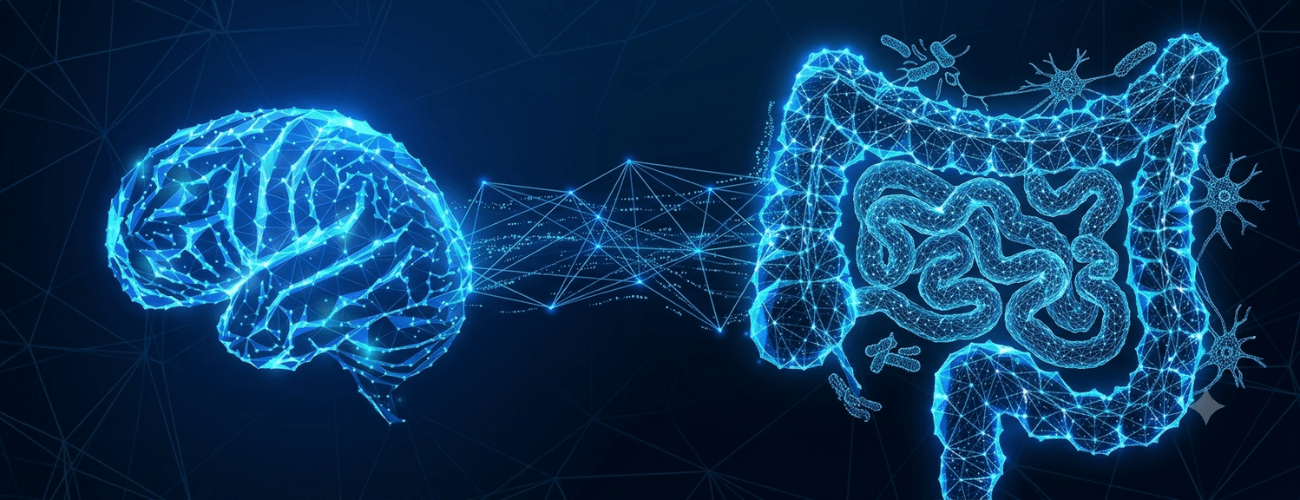
The relationship between gut health and mental wellbeing is one of the fastest-growing areas in modern medicine.
The concept of the gut brain axis mental health connection has changed how researchers think about anxiety, depression, stress resilience, digestion, and even cognitive function.
Instead of viewing the brain in isolation, scientists now recognise that the digestive system and its trillions of microbes may play an important role in emotional regulation.
The gut brain axis mental health framework suggests that communication between the gut and brain is continuous and bidirectional.
This means the brain can influence gut function, and the gut microbiome can send signals that may influence brain chemistry, mood, inflammation, and behaviour.
As research expands, the gut brain axis mental health model is becoming central to a more holistic understanding of mental health.
However, it is important to stay balanced.
Gut health is not the only cause of anxiety or depression, and diet alone is not a replacement for professional mental health care.
Instead, the gut-brain axis offers an additional pathway for understanding how physical health and emotional wellbeing are connected.
What Is the Gut-Brain Axis?
To understand modern mental health science, we first need to answer a basic question: what is the gut brain axis?
The gut-brain axis is the communication network linking the gastrointestinal system and the central nervous system.
This network includes the vagus nerve, the enteric nervous system, immune signals, hormones, inflammatory pathways, and metabolites produced by gut bacteria.
In simple terms, the gut-brain axis is a biological communication highway between the gut and brain.
It helps regulate digestion, stress response, appetite, inflammation, mood, and some aspects of cognition.
The brain can affect the gut, which is why stress may trigger stomach pain, diarrhoea, nausea, bloating, or appetite changes.
The gut can also affect the brain through microbial signals, immune activity, and nervous system communication.
This two-way communication is why gut brain axis mental health research has become so important.
For broader digestive health support, this article on foods that support gut health may be useful.
What Is the Gut Microbiome?
The gut microbiome refers to the community of bacteria, fungi, viruses, and other microorganisms living in the digestive tract.
These microbes help break down food, produce certain vitamins, train the immune system, support the gut barrier, and create metabolites that influence the body.
A healthy gut microbiome is not defined by one perfect bacterial profile.
Instead, researchers often focus on microbial diversity, balance, resilience, and how gut microbes interact with diet, stress, sleep, medication, infection, and lifestyle.
When the gut microbiome becomes disrupted, this is sometimes called dysbiosis.
Dysbiosis has been associated with digestive conditions, immune changes, metabolic problems, and some mental health symptoms.
However, association does not always mean direct causation.
The microbiome is one part of a much larger health system.
The Brain-Gut-Microbiome Axis Explained
The term brain gut microbiome axis expands the gut-brain concept by highlighting the role of gut bacteria in brain function.
Gut microbes produce and influence substances that can affect the nervous system, including short-chain fatty acids, immune molecules, and neurotransmitter-related compounds.
For example, some gut bacteria are involved in pathways related to serotonin, dopamine, GABA, and other signalling molecules.
However, it is important to clarify that gut-produced neurotransmitters do not simply travel directly into the brain in large amounts.
The relationship is more complex.
Gut microbes may influence the brain through immune signalling, vagus nerve communication, gut barrier function, inflammation, and metabolites that affect nervous system regulation.
This is why the brain gut microbiome axis is now being studied across psychiatry, gastroenterology, immunology, and nutrition science.
6 Powerful Pathways Linking Gut Health and Mental Wellbeing
The gut brain axis mental health connection works through several overlapping biological pathways.
These pathways help explain why diet, stress, inflammation, gut symptoms, and mood can influence one another.
1. The Vagus Nerve
The vagus nerve is one of the main communication routes between the gut and brain.
It carries signals in both directions and helps regulate digestion, heart rate, breathing, inflammation, and stress response.
When the gut detects changes in microbial activity, inflammation, or digestion, signals can travel through vagal pathways to the brain.
This may influence mood, stress sensitivity, and emotional regulation.
The vagus nerve is also one reason calming practices such as slow breathing, meditation, gentle movement, and relaxation may affect both digestion and anxiety.
These practices do not “cure” mental health conditions, but they can support nervous system regulation.
2. Inflammation and Immune Signalling
The gut is closely linked to the immune system.
A large portion of immune activity is associated with the digestive tract because the body must constantly distinguish between helpful nutrients, harmless microbes, and potential threats.
When the gut barrier is disrupted or the microbiome is imbalanced, immune signalling may change.
This can contribute to low-grade inflammation.
Chronic inflammation has been associated with depression, anxiety, fatigue, brain fog, and reduced stress resilience in some research.
The gut brain axis mental health model helps explain why mental wellbeing is not only about thoughts or emotions.
It is also connected to immune function and physical health.
For broader discussion of inflammation and diet, this article on Mediterranean diet evidence in 2026 may provide helpful context.
3. Microbial Metabolites
Gut bacteria help ferment fibre from plant foods.
This process produces short-chain fatty acids such as butyrate, acetate, and propionate.
These metabolites support the gut lining, influence inflammation, and may play a role in brain and nervous system signalling.
A fibre-rich diet supports microbial diversity and short-chain fatty acid production.
This may be one reason diets rich in vegetables, legumes, fruits, whole grains, nuts, and seeds are associated with better overall health.
The microbiome gut brain axis is especially interested in how these microbial products influence mood, cognition, stress response, and neuroinflammation.
This area is promising, but still evolving.
4. Stress Hormones
Stress can directly affect the gut.
When the body activates the stress response, hormones such as cortisol and adrenaline can influence digestion, gut motility, gut permeability, appetite, and microbial balance.
This is why anxiety may cause stomach symptoms, and digestive distress may worsen anxiety.
The relationship between gut health and anxiety is often circular.
Stress affects the gut, and gut discomfort can increase stress.
Over time, this cycle can contribute to emotional distress, disrupted sleep, and reduced quality of life.
Managing stress is therefore important for both digestive and mental wellbeing.
For related mental health education, this article on anxiety disorder vs normal worry may be helpful.
5. Neurotransmitter-Related Pathways
Many people hear that most serotonin is made in the gut.
This is true, but it needs context.
Gut serotonin plays important roles in digestion and gut movement, but it does not simply cross into the brain as a direct mood chemical.
Still, gut bacteria can influence neurotransmitter-related pathways through tryptophan metabolism, immune signalling, microbial metabolites, and nervous system communication.
This may affect mood regulation, sleep, appetite, stress sensitivity, and cognition.
The gut brain axis mental health field is helping researchers better understand how these signalling systems interact.
It also supports a more integrated view of mental wellbeing, where the brain, gut, immune system, and lifestyle patterns are connected.
6. Diet, Sleep and Lifestyle Feedback Loops
Diet, sleep, physical activity, stress, and social connection all influence the gut microbiome.
In turn, gut health may influence energy, mood, digestion, inflammation, and stress resilience.
This creates feedback loops.
Poor sleep may worsen cravings, stress, and gut symptoms.
A low-fibre diet may reduce microbial diversity.
Chronic stress may disrupt digestion.
Digestive discomfort may worsen anxiety and sleep.
The good news is that positive habits can also reinforce each other.
A high-fibre diet, regular movement, stress reduction, and better sleep can support both gut and mental health.
For simple lifestyle support, this guide on daily rituals and tiny health benefits may be useful.
Gut Health and Anxiety
Gut health and anxiety are closely linked in both clinical experience and research.
Many people with anxiety report digestive symptoms such as bloating, nausea, diarrhoea, constipation, abdominal pain, or appetite changes.
This does not mean gut problems always cause anxiety.
It also does not mean anxiety is “all in the gut.”
Instead, gut health and anxiety often interact through stress hormones, immune signalling, gut motility, inflammation, sleep, and nervous system sensitivity.
For example, a person may feel anxious before a stressful event and develop stomach symptoms.
Those symptoms may then create more worry, which further worsens digestion.
This cycle is common in disorders of gut-brain interaction, such as irritable bowel syndrome.
Improving gut health may support anxiety management for some people, especially when combined with therapy, stress management, sleep support, movement, and medical care where needed.
Gut Health and Depression
The gut brain axis mental health connection is also being studied in depression.
Some studies have found differences in gut microbiome patterns among people with depressive symptoms.
Researchers are investigating whether inflammation, microbial metabolites, tryptophan pathways, and stress biology may help explain this link.
However, depression is complex.
It can be influenced by genetics, trauma, sleep, hormones, chronic illness, medication, grief, loneliness, substance use, and social factors.
Gut health may be one contributing factor, but it is not the whole explanation.
Dietary changes may support mental health, but they should not replace evidence-based depression care.
If someone is experiencing persistent low mood, hopelessness, loss of interest, or thoughts of self-harm, professional support is essential.
How Gut Bacteria Affects the Brain and Body
Understanding how gut bacteria affects the brain and body helps connect the research to everyday health.
Gut bacteria may influence digestion, immune function, inflammation, nutrient metabolism, gut barrier integrity, stress response, and nervous system signalling.
They may also affect sleep, appetite, cognitive performance, and emotional regulation indirectly.
Poor gut health may be associated with increased stress sensitivity, digestive discomfort, fatigue, brain fog, and mood changes.
However, symptoms such as fatigue, brain fog, anxiety, and digestive discomfort can have many causes.
A healthcare professional can help assess whether symptoms are related to gut health, mental health, medication, hormones, nutrient deficiency, infection, or another medical condition.
Can Probiotics Improve Mental Health?
Probiotics are live microorganisms that may provide health benefits when taken in adequate amounts.
Some strains are being studied for mental health and are sometimes called psychobiotics.
Early research suggests that certain probiotics may help support mood, stress response, or anxiety symptoms in some people.
However, results vary by strain, dose, duration, and individual health status.
Not all probiotics are the same.
A probiotic that helps one condition may not help another.
Fermented foods such as yoghurt, kefir, sauerkraut, kimchi, miso, and tempeh may support diet quality and microbial diversity, but they are not guaranteed treatments for mental health conditions.
Probiotics can be helpful for some people, but they should be viewed as one tool, not a cure.
Natural Ways to Support the Gut-Brain Axis
Supporting the gut-brain axis naturally usually begins with everyday habits.
Eat a fibre-rich diet that includes vegetables, fruits, legumes, oats, whole grains, nuts, and seeds.
Include fermented foods if tolerated.
Limit ultra-processed foods and excessive alcohol.
Stay physically active.
Prioritise sleep.
Manage stress through breathing exercises, mindfulness, therapy, time outdoors, or social connection.
Avoid unnecessary antibiotic use and follow medical advice when antibiotics are needed.
These habits support the microbiome gut brain axis by improving gut resilience, reducing stress load, and supporting metabolic health.
For movement-related support, this article on how 30 minutes of movement a day can support health may be useful.
The Gut-Brain Axis in Modern Medicine
The gut-brain axis is now considered an important concept in integrative and preventive medicine.
Clinicians increasingly recognise that digestive symptoms and psychological symptoms often overlap.
This is especially relevant in conditions such as irritable bowel syndrome, functional dyspepsia, anxiety, depression, chronic stress, and fatigue.
Research into the gut-brain axis continues to expand in nutrition psychiatry, gastroenterology, neuroscience, and lifestyle medicine.
The goal is not to replace traditional mental health care.
The goal is to better understand how diet, gut health, inflammation, stress, sleep, and brain function work together.
This more integrated model may lead to better prevention and treatment strategies over time.
Future Research in Gut Brain Axis Mental Health
The future of gut brain axis mental health research is promising.
Scientists are exploring personalised microbiome testing, targeted probiotics, dietary interventions, microbial metabolites, faecal microbiota transplantation, and new ways to measure gut-brain communication.
However, many tools are not yet ready for routine mental health treatment.
Personalised microbiome therapies are still developing, and commercial gut tests do not always provide clear clinical guidance.
Future studies will need to identify which microbiome patterns matter, which interventions work, who benefits most, and how long effects last.
As research expands, the gut brain axis mental health model may become an important part of psychiatric and digestive health assessment.
For now, the strongest practical advice remains simple: support gut health through diet quality, movement, sleep, stress management, and professional care when symptoms are significant.
Conclusion
The science behind the gut brain axis mental health connection is transforming how we understand emotional wellbeing.
From the brain gut microbiome axis to the microbiome gut brain axis, research continues to show that gut bacteria may play a meaningful role in stress, mood, inflammation, and cognitive health.
Understanding gut health and anxiety, and learning how gut bacteria affects the brain and body, provides new pathways for prevention and support.
However, gut health is not a standalone cure for mental health conditions.
The most effective approach is holistic and evidence-based, combining nutrition, movement, sleep, stress management, therapy, medical care, and social support when needed.
The gut brain axis mental health field remains one of the most exciting developments in modern medicine, offering a more connected view of the body, brain, and mind.
Frequently Asked Questions
What is the gut-brain axis and why does it matter for mental health?
The gut-brain axis is a communication system linking the gut and brain through nerves, hormones, immune signals, and microbial metabolites. It matters because it helps explain how gut health may influence mood, stress, digestion, and mental wellbeing.
How does gut bacteria affect the brain and emotions?
Gut bacteria may affect the brain through immune signalling, inflammation, the vagus nerve, microbial metabolites, and neurotransmitter-related pathways. These signals can influence stress response, mood regulation, sleep, and cognition.
Can poor gut health contribute to anxiety or depression?
Poor gut health may contribute to anxiety or depressive symptoms in some people, but it is not the only cause. Mental health is influenced by genetics, stress, sleep, trauma, medical conditions, lifestyle, and social support.
What are signs that gut health may be affecting mental health?
Possible signs include digestive discomfort, bloating, irregular bowel habits, fatigue, poor sleep, brain fog, increased stress sensitivity, and mood swings. These symptoms can have many causes, so professional assessment may be needed.
How can I improve the gut-brain axis naturally?
You can support the gut-brain axis by eating more fibre-rich foods, including fermented foods if tolerated, exercising regularly, sleeping well, managing stress, limiting ultra-processed foods, and seeking professional support for persistent symptoms.
References
https://www.health.harvard.edu/digestive-health/how-the-gut-brain-connection-influences-mood
https://www.hopkinsmedicine.org/health/wellness-and-prevention/the-brain-gut-connection
https://www.nature.com/articles/s41575-023-00890-0
https://www.nature.com/articles/s41579-024-01136-9
https://www.frontiersin.org/journals/nutrition/articles/10.3389/fnut.2024.1337889/full