
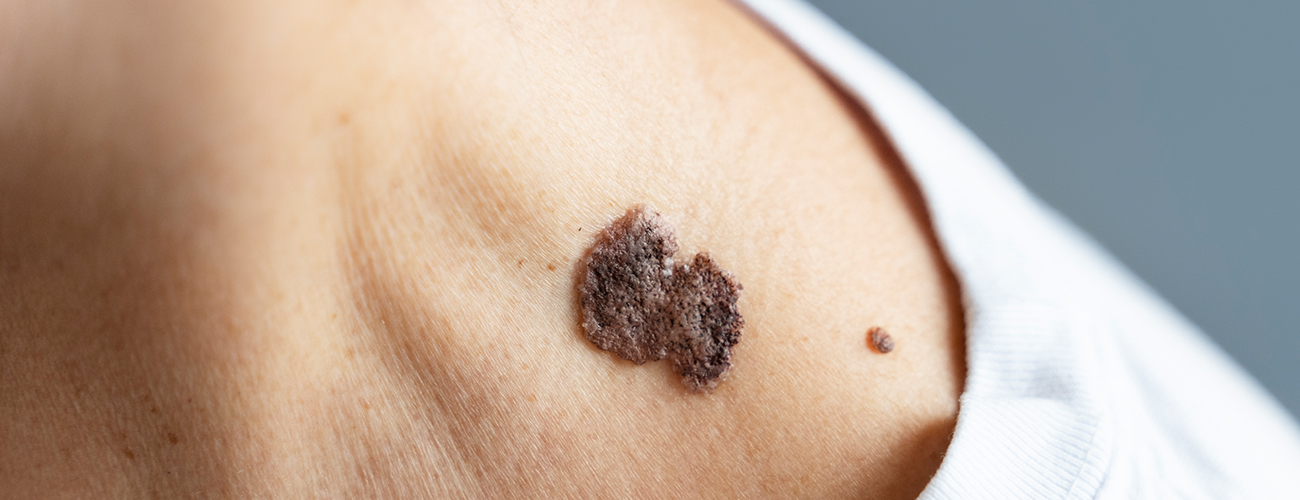
Skin melanoma cancer is the most common cancer in the world, yet it is also one of the most preventable and curable forms of cancer when caught early. This is a powerful, reassuring fact. Did you know that when caught early, the 5-year survival rate for melanoma (the deadliest form of skin cancer) is extremely high?
If you are worried about a spot, or simply want to know how to better protect yourself, this guide is for you. We will cover everything you need to know about skin cancer diagnosis and prevention, giving you practical knowledge from the early signs of skin cancer to effective prevention strategies to protect yourself and your family.
About The Health Academy: Your Authoritative Source for Skin Health
This vital public health guide on Skin Cancer & Melanoma is brought to you by The Health Academy, a trusted digital hub dedicated to empowering individuals with credible, evidence-based health knowledge. Recognising that the high curability of skin melanoma cancer relies entirely on early detection, our mission is to provide the authoritative resources needed to understand effective melanoma prevention and self-screening techniques. We bring together a community of health enthusiasts, professionals, and curious readers who seek to understand and improve their wellbeing, ensuring the practical information on the early signs of skin cancer, the ABCDE rule, and the importance of skin cancer diagnosis is always accurate and life-savingly reliable.
Why Early Detection Matters: The Power of Finding Skin Cancer Early
Learning to recognise the subtle changes in your skin is the single most important action you can take.
- The Life-Saving Difference: Early-stage melanoma is localised and highly treatable, often requiring only minor surgery.
- Survival Statistics: The 5-year survival rate for localised melanoma is significantly higher than for melanoma that has spread to distant organs.
- Empowerment: Stress that many early signs of skin cancer can be spotted at home through simple, regular self-exams.
Understanding the Types of Skin Cancer
Readers appreciate simple clarity regarding the types of skin cancer. While they all stem from abnormal cell growth, their severity and appearance differ significantly.
- Melanoma: This is the most dangerous form, arising from the cells that produce pigment (melanin). It requires immediate medical attention.
- Basal Cell Carcinoma (BCC): The most common form, BCC is slow-growing and rarely spreads. It often appears as a waxy bump or a flat, flesh-colored scar.
- Squamous Cell Carcinoma (SCC): The second most common type, SCC can spread if untreated. It often looks like a firm, red nodule or a flat lesion with a scaly, crusty surface.
The Early Signs: How to Spot Melanoma
To effectively detect melanoma symptoms, dermatologists recommend mastering the ABCDE melanoma rule. This provides visual guidelines for assessing moles and growths:
Mastering the ABCDE Rule for Melanoma
- A – Asymmetry: One half of the spot does not match the other half.
- B – Border Irregularity: The edges are ragged, notched, blurred, or poorly defined.
- C – Color Variation: The color is not uniform and may include shades of black, brown, tan, red, white, or blue.
- D – Diameter: While melanoma can be smaller, it is often larger than 6 millimeters (the size of a pencil eraser).
- E – Evolving: The mole or spot looks different from the rest or is changing in size, shape, or color over time (this is the most important warning sign!).
Other skin melanoma cancer Warning Signs
what does melanoma look like for other common skin cancer warning signs:
- New moles or growths on the skin.
- Sores that don’t heal (a common skin cancer symptoms).
- Itching, tenderness, or bleeding spots.
- Changes in texture (scaliness, roughness).
Taking Control: Importance of Regular Skin Self-Exams
Your monthly self-exam is your first line of defense in melanoma prevention.
Practical Guidance:
- How Often to Check: Aim for a thorough skin check once a month.
- Tools to Use: Use a full-length mirror and a handheld mirror. Ask a partner for help checking hard-to-see areas like the scalp and back.
- Tracking Changes: Take photos of suspicious moles or spots with a ruler next to them and check them monthly to monitor for change.
Professional Skin Cancer Screening and Diagnosis
While self-exams are vital, a professional can spot things you might miss.
- Who Needs a Dermatologist Check? Anyone who has a suspicious spot or who has high-risk factors (see Section 7).
- What Happens During an Exam? A dermatologist performs a thorough, head-to-toe check, sometimes using a specialised magnifying tool called a dermatoscope.
- High-Risk Screening: People with a family history of melanoma or a high number of moles may need more frequent screening.
Skin Cancer Prevention Strategies: Actionable Steps
Fortunately, there are many simple, effective steps you can take to lower your risk.
- The Sunscreen Rule: Use a broad-spectrum sunscreen with an SPF of 30 or higher every day. Reapply every two hours, especially after swimming or sweating.
- Smart Habits: Wear protective clothing, including long sleeves, sunglasses, and a wide-brimmed hat.
- Avoid Peak Sun: Stay indoors or seek shade between 10 AM and 4 PM, when the sun’s rays are strongest.
- Tanning Beds: Strongly advise against using tanning beds, which dramatically increase your risk for skin melanoma cancer.
- UV Index Awareness: Check the daily UV index and take extra precautions on high-UV days.
Risk Factors to Know
Understanding your personal risk factors helps you determine how vigilant you need to be.
- Fair skin, light eyes/hair.
- Frequent, severe sunburns, especially during childhood.
- Family history of melanoma.
- A high number of moles (over 50).
- Weakened immune system.
When to See a Doctor Immediately
If you notice any of these signs, seek a medical evaluation promptly:
- Sudden, noticeable changes in an existing mole or spot.
- Suspicious new spots that follow the ABCDE rule.
- Any sore that fails to heal within a few weeks.
- Moles that itch, bleed, or are persistently tender.
Skin melanoma cancer is common, but it is treatable when caught early. By performing regular self-exams, following the ABCDE guidelines, and practicing effective sun safety, you are taking control of your health.
Schedule your first skin self-exam today and consult a dermatologist if you have any lingering concerns about skin melanoma cancer. Early detection saves lives and prevention is truly in your hands.
FAQ’S
What is the difference between basal cell carcinoma (BCC), squamous cell carcinoma (SCC), and melanoma?
BCC and SCC are the most common types of skin cancer and are highly curable. BCC is the least dangerous, often looking like a waxy bump. SCC can spread if untreated, appearing as a scaly, firm lesion. Melanoma is the most serious form because it can quickly spread to other parts of the body, which is why early detection of melanoma is critical.
How often should I check my own skin for early signs of skin cancer?
Dermatologists recommend performing a full skin self-exam monthly. This consistent routine helps you become familiar with the location and appearance of your moles and spots. If you notice any suspicious changes, particularly those that fit the ABCDE melanoma rule (Asymmetry, Border, Color, Diameter, Evolving), you should schedule a professional skin cancer screening immediately.
Does wearing sunscreen once in the morning provide protection all day?
No. Sunscreen’s effectiveness decreases significantly over time. For adequate skin cancer prevention, you must reapply broad-spectrum sunscreen with an SPF of 30 or higher every two hours. Reapplication is especially important after swimming, sweating, or toweling dry, as moisture and friction remove the protective layer, exposing you to harmful UV rays.
I have many moles. How do I know which one is a potential melanoma symptom?
The most important indicator of a mole is change. Any existing mole that starts to evolve (E in ABCDE) in size, shape, color, or texture or a new, suspicious-looking mole should be examined by a doctor. Keep an eye out for melanoma symptoms like bleeding, itching, or non-healing sores, as these are significant skin cancer warning signs.
Who should get a professional skin cancer screening?
Everyone should consider a professional screening, but it is essential for people with high-risk factors. This includes those with a family history of melanoma, fair skin, a large number of moles, or a history of severe sunburns. The dermatologist can spot subtle signs you might miss, ensuring the earliest possible skin cancer diagnosis.