
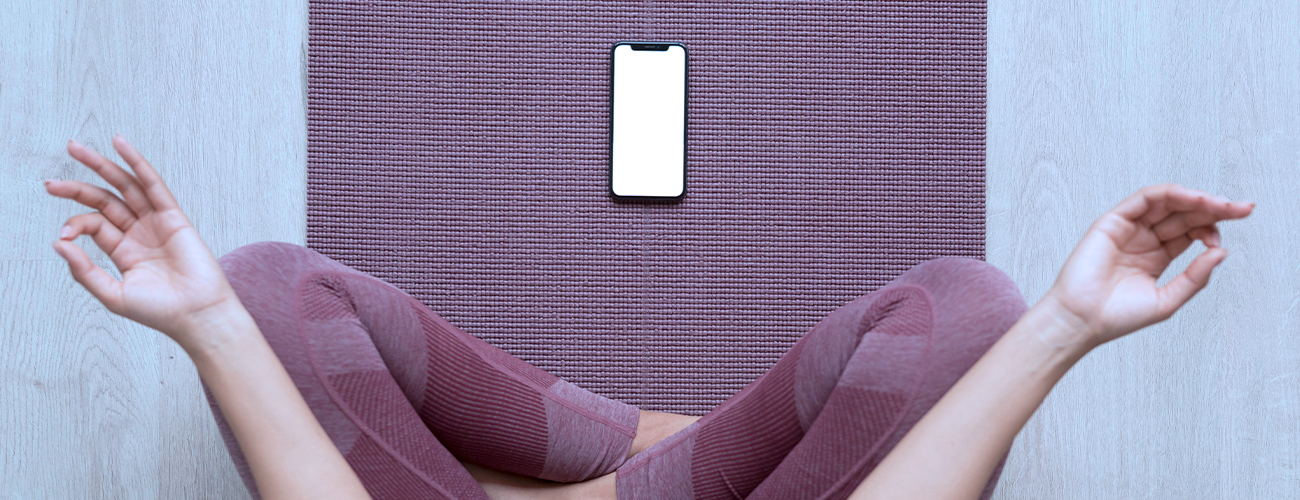
In today’s hyperconnected Australian landscape, the constant glow of a screen has become our default setting. But this digital overload comes at a cost, eroding our sensory well-being and focus. Moving beyond a temporary break,this guide outlines a path to sustainable digital detox programsthrough intentional anti-screen practices and restorative sensory retreats.
The Health Academy: Your Trusted Guide to Digital Wellness
This comprehensive guide to sustainable Digital Wellness Programs and Anti-Screen Practices is brought to you by The Health Academy, a trusted digital hub dedicated to empowering individuals with credible, evidence-based health knowledge. Recognising the severe impact of digital fatigue symptoms and technology anxiety on focus and mood, our mission is to provide authoritative resources on restorative strategies like sensory retreats and mindfulness. We bring together a community of health enthusiasts, professionals, and curious readers who seek to understand and improve their wellbeing, ensuring the information on the best digital detox plan and managing how the phone affects sleep is always accurate and reliable for improved sensory well-being.
Why Unplugging Matters in a Hyperconnected World
We live in an “always-on” culture. Every notification, every email, every endless scroll fuels a dopamine loop in our brains, keeping us in a state of low-grade stress and technology anxiety. Unplugging is no longer a luxury; a proper digital detox is essential for mental hygiene. It’s about reclaiming your attention and reducing the constant cognitive load that leads to digital fatigue symptoms. Releasing this dependency is the first step toward true mindfulness and improved focus and concentration.
Signs You Need a Digital Detox
Are you constantly reaching for your phone, even when it hasn’t buzzed? This might be a sign of phone addiction. If any of these sound familiar, a targeted digital detox plan is overdue:
- You experience brain fog or poor focus and concentration after long screen sessions.
- You feel anxious or restless when your phone battery is low or the Wi-Fi drops out.
- Your first and last actions of the day involve checking a screen.
- You frequently get headaches or eye strain.
How Mobile Phone Affects Your Sleep Quality
One of the most immediate and damaging effects of screen time is on rest. Looking at a mobile phone late at night directly impacts how phone affects sleep. Devices emit blue light, which actively suppresses the production of melatonin, the hormone essential for regulating sleep cycles. This blue light sleep disruption essentially tells your brain it’s daytime, pushing back your natural sleep clock and leading to chronic fatigue.
What Is Sensory Well-being and Why It Matters
Sensory well-being is the state of balance and comfort achieved when our senses are neither overwhelmed nor under-stimulated. In the age of screens, our senses are constantly bombarded by bright lights, jarring notifications, and information overload. Prioritising sensory well-being matters because it directly dictates our mood, stress levels, and our ability to process the world calmly.
The Role of Your Five Senses in Mental Health
Our senses are the primary gateway to reality. When the visual and auditory senses are overloaded by digital input, they strain the brain, leading to mental exhaustion. Conversely, engaging the senses intentionally through the smell of fresh air, the feeling of textured fabric, or the taste of a warm drink can ground us in the present moment, acting as a natural balm for mental health screen time issues.
Daily Habits to Reduce Screen Time (Anti-Screen Practices)
These habits support a simple, effective digital detox.Achieving screen time reduction doesn’t require quitting cold turkey; it requires implementing smart digital habits and embracing mindful tech use.
- The 30/30 Rule: No screens for the first 30 minutes after waking or the last 30 minutes before bed.
- Notification Control: Turn off all non-essential notifications. Only allow direct calls or texts to interrupt you.
- Intentional Checking: Instead of opening apps subconsciously, decide exactly what you need to check and when (e.g., “I will check the news at 8 AM and email at 10 AM”).
Mindful Alternatives to Social Media and Devices
These alternatives help reinforce your digital detox efforts.Replace scrolling time with enriching, sensory-based activities. Embrace digital minimalism tips by substituting consumption with creation:
- Read a physical book, focusing on the smell and feel of the paper.
- Listen to music through quality speakers, dedicated to listening only.
- Engage in tactile hobbies like knitting, gardening, or sketching.
Creating a Screen-Free Home or Workspace
Design your environment to support your digital detox. Establish clear boundaries:
- The Bedroom: Declare it a screen-free zone. Use a traditional alarm clock.
- The Dining Table: Make meals a time for connection, leaving devices in another room.
- The Workspace: Designate specific “deep work” hours where your phone is on silent, face down, or even locked away.
Designing Your Own At-Home Retreat
You don’t need to visit an expensive clinic for sensory retreats. You can create your own:
- Set the Stage: Designate a quiet hour. Turn off all devices and dim the lights.
- Engage Scent: Use aromatherapy (essential oils like lavender or eucalyptus).
- Use Sound: Play calming ambient music or simply enjoy silence.
- Practice: Dedicate the time to meditation, stretching, or journaling.
How Nature and Environment Affect Your Senses
Nature offers the original sensory retreat. Practices like forest bathing (or Shinrin-yoku) involve mindfully immersing yourself in nature listening to the sounds, smelling the earth, feeling the wind. This natural environment offers complexity without cognitive strain, immediately calming the visual and auditory pathways overworked by screens.
Benefits for Mind, Body, and Focus
The benefits of digital detox are profound and multifaceted:
- Mind: Reduced anxiety, increased patience, and greater clarity.
- Body: Better quality sleep, fewer headaches, and reduced muscle tension (e.g., “tech neck”).
- Focus: A significant increase in sustained attention and productivity.
Long-Term Benefits of Screen-Free Living
Making these changes permanent leads to a lifestyle of digital wellness. It means deeper, more satisfying relationships, a stronger connection to your local environment, and a profound sense of self-control you use the technology; it doesn’t use you.
FAQs
How long should a digital detox be?
Start with a 24-hour digital detox plan or a “digital Sabbath.” Once comfortable, try a full weekend. The goal is to establish daily digital habits, not just a one-off break.
Is it OK to use my computer for work during a detox?
Yes, absolutely. A detox focuses on mindful tech use using technology as a tool for specific tasks, not for endless consumption (e.g., no social media, news, or games).
What is the best way to handle phone use with kids?
Set a good example. Create “Screen-Free Zones” and sensory retreat times for the whole family, modeling balanced behavior and engaging in family activities like forest bathing or games.
What do I do about FOMO (Fear of Missing Out)?
Acknowledge it, but remind yourself that you are trading digital distraction for real-life experience. The goal is to focus on the joy of missing out on the noise (JOMO).