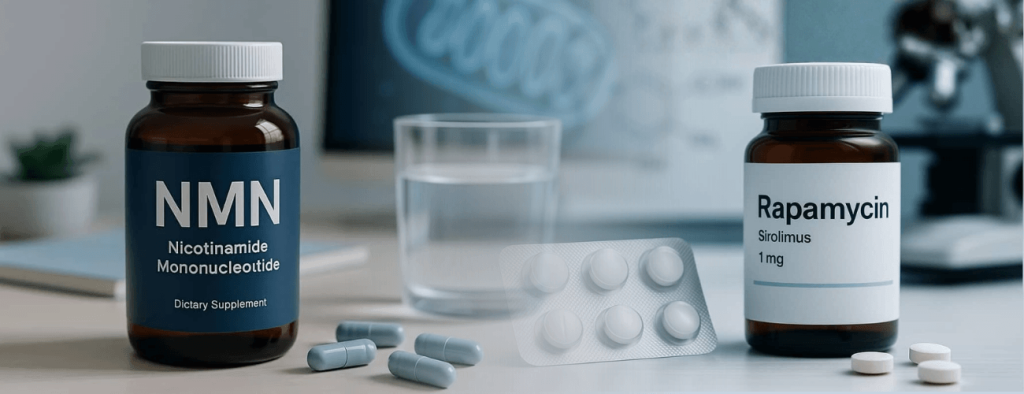

Do You Actually Need Supplements? A GP’s Perspective
The supplement aisle is often overwhelming, filled with tempting promises of improved energy, better immunity, and quick fixes. As a patient, it’s fair to ask: Do you actually need supplements? For the vast majority of healthy adults, the answer is usually no—a balanced diet provides all the nutrients necessary for optimal function.
However, certain circumstances, life stages, and chronic conditions create nutritional gaps that supplements can help bridge. The key is to stop guessing and start testing.
The Food-First Principle: Vitamins from Food vs Supplements Absorption
Our bodies are designed to efficiently extract and absorb nutrients from whole foods.
● Absorption Advantage: Whole foods contain complex matrices of vitamins, minerals, fibre, and phytochemicals that work synergistically, optimising absorption. For example, Vitamin C in spinach significantly boosts iron absorption.
● Safety and Efficacy: Supplements are often highly concentrated, and your body can only absorb so much. The excess is simply flushed out, making them expensive urine. Furthermore, consistently high doses can sometimes lead to toxicity. This is why vitamins from food vs supplements absorption is generally superior, safer, and more cost-effective.
Who Actually Needs Vitamins and Supplements?
Supplements are primarily needed to treat a diagnosed deficiency or to support increased physiological demands that food alone cannot meet.
Groups That May Require Supplements:
1. Pregnant or Planning Pregnancy: Folic acid (Vitamin B9) is universally recommended before conception and during the first trimester to prevent neural tube defects. Iron and iodine are also commonly prescribed.
2. Vegans and Vegetarians: May require Vitamin B12 (not naturally found in plant foods) and sometimes iron, zinc, or calcium.
3. Older Adults: Production of Vitamin D declines with age, and absorption of Vitamin B12 may decrease due to reduced stomach acid production.
4. Specific Conditions: Individuals with Crohn’s disease, Coeliac disease, or chronic kidney disease may have impaired nutrient absorption and require targeted supplementation.
The Testing Phase: What Blood Tests Show Vitamin Deficiency Australia
The best way to know if you need a supplement is by consulting your GP and requesting a blood test. This eliminates guesswork, prevents costly over-supplementation, and guides targeted treatment.
Common deficiencies diagnosed via blood tests include:
● Ferritin: Measures iron stores (crucial for women).
● 25(OH)D: Measures Vitamin D status (critical in Australian winter).
● Vitamin B12 and Folate: Assesses these essential B vitamins.
It is important to note that the Medicare rebate for vitamin D testing is limited to high-risk groups (such as osteoporosis, chronic disease, or malabsorption conditions). Your GP can advise if you qualify for a bulk-billed test.
Targeting Needs: Essential Supplements for Women Over 50
As women transition through menopause, calcium and Vitamin D become paramount for maintaining bone density and preventing osteoporosis.
● Calcium: Post-menopause, bone loss accelerates. While dairy and leafy greens are the best sources, a calcium supplement may be needed if dietary intake is insufficient (Healthy Bones Australia, 2025).
● Vitamin D: Especially in Southern Australian states during winter, supplementation is often required as the sun’s angle is too low for adequate Vitamin D production, regardless of time spent outdoors.
The Dangers: Multivitamin Side Effects Long Term
Taking a generic multivitamin “just in case” may seem harmless, but there are risks associated with long-term, untargeted use.
● Toxicity: Fat-soluble vitamins (A, D, E, K) are stored in the body and can build up to toxic levels, potentially damaging the liver (Better Health Channel, 2025).
● Drug Interactions: High doses of certain supplements (like Vitamin E or St. John’s Wort) can interfere with prescription medications (e.g., blood thinners or contraceptives).
● False Security: Relying on a pill can distract from making genuine, sustainable improvements to diet and lifestyle.
Always discuss any planned supplements with your GP to avoid multivitamin side effects long term and ensure they are safe with your current medications.
Expertise and Trustworthiness:
This guidance on supplementation is provided by our GP clinic and adheres to the “food-first” principle endorsed by the Australian National Health and Medical Research Council (NHMRC) and Dietitians Australia. We emphasise that supplement use must be evidence-based and monitored. Our medical expertise is critical in determining who actually needs vitamins and supplements by ruling out underlying medical causes for fatigue or symptoms and ensuring safety against multivitamin side effects long term. Patients seeking advice on what blood tests show vitamin deficiency Australia should schedule a consultation to discuss individual risk factors and testing eligibility. This authoritative information empowers patients to make informed, safe choices regarding their health.
FAQ’S
1. Do I need vitamin supplements if I eat a healthy diet?
Most people eating a balanced diet do not require supplements, but determining “do I need vitamin supplements” depends on your individual health needs. Some people have higher nutrient demands due to pregnancy, restricted diets, age, or medical conditions. A food-first approach ensures better absorption and safety, but supplements may still be necessary in specific circumstances. Always speak with your GP before taking anything unnecessarily
2. Who needs vitamin supplements and why?
Understanding who needs vitamin supplements requires identifying proven deficiencies or increased physiological demands. Pregnant women typically need folic acid and iron, vegans may need Vitamin B12, older adults often require Vitamin D, and people with absorption disorders may need targeted nutrients. Supplements should never be taken randomly. Instead, they should be recommended based on symptoms, lifestyle, and clinical assessment. A GP can determine your exact supplementation needs
3. What vitamin deficiency blood test should I ask my GP about?
A vitamin deficiency blood test helps identify whether supplements are medically necessary. Common tests include ferritin (iron stores), Vitamin D (25-OH), Vitamin B12, and folate. These tests give clear insights into true deficiencies and prevent unnecessary supplement use. Your GP will determine which tests are appropriate based on symptoms, diet, and risk factors to ensure personalised, evidence-based supplementation instead of guesswork.
4. What are the best supplements for women over 50?
The best supplements for women over 50 typically target bone health, energy, and ageing-related nutrient changes. Calcium and Vitamin D support bone density during and after menopause. Some women may require B12 due to reduced absorption with age. Omega-3s can help with cardiovascular health. However, supplement needs vary widely, so testing and medical review are essential before starting long-term supplementation to ensure safety and accuracy.
5. Are there risks to taking multivitamins long term?
Yes, long term effects of multivitamins can be harmful when supplements are taken without medical need. Fat-soluble vitamins like A, D, E, and K can accumulate in the body, potentially causing toxicity. Some supplements interact with medications, reducing effectiveness or increasing side effects. Over-reliance on multivitamins can also create a false sense of health, distracting from essential diet and lifestyle changes. Always consult your GP before starting any supplements.
Trusted References
1. Healthdirect. (2025). Vitamin and mineral supplements. Retrieved from https://www.healthdirect.gov.au/vitamins-and-minerals
2. Dietitians Australia. (2025). Do you need vitamin and mineral supplements? Retrieved from https://dietitiansaustralia.org.au/diet-and-nutrition-health-advice