
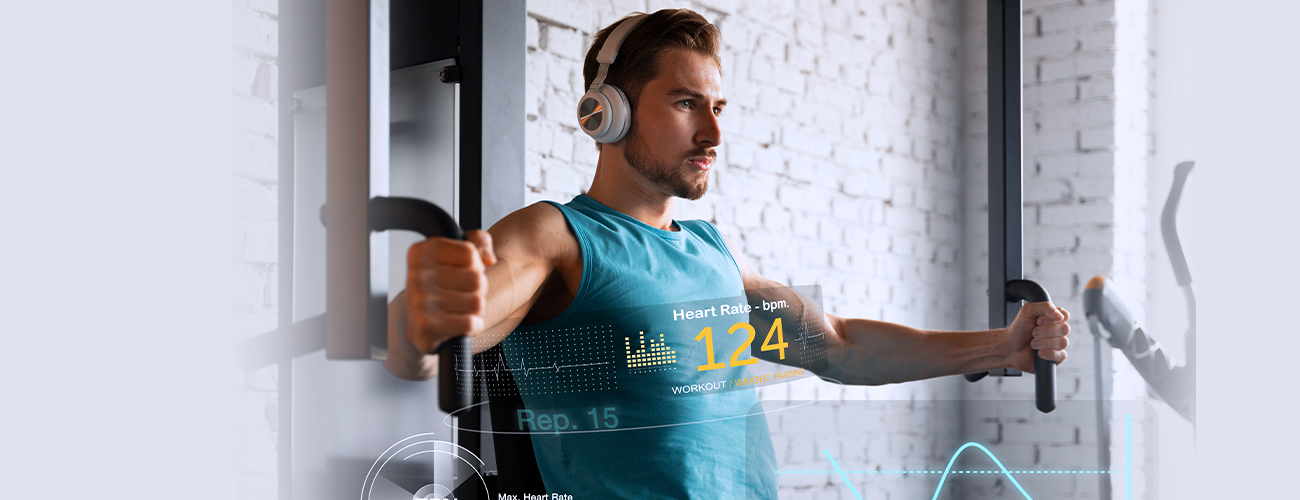
The Modern Sedentary Trap
Between long work hours, endless scrolling, and quick commutes, movement has quietly disappeared from many of our daily routines. We sit to work, sit to eat, sit to relax, and then wonder why our energy feels low and our bodies ache.
It’s no surprise that physical inactivity has become one of today’s biggest health risks, contributing to heart disease, diabetes, obesity, and even premature death.
But here’s the good news: you don’t need an intense gym routine or a personal trainer to turn your health around. Just 30 minutes of movement a day can make a measurable difference; not only to how long you live, but how well you live.
Let’s explore why those 30 minutes matter so much and how to make them a sustainable part of your life.
The Risk: Sitting is the New Smoking
Research confirms that a sedentary lifestyle, defined as sitting for more than 8 hours a day with little physical activity, can be as harmful to your health as smoking. This prolonged inactivity creates a domino effect of negative health outcomes:
- Slows Metabolism: Your body’s ability to process fats and sugars decreases.
- Weakens Muscles: Leading to aches, pains, and instability.
- Increases Disease Risk: Significantly elevates the chance of chronic diseases like heart disease and stroke.
The Insight: Our bodies were built to move. When we don’t, everything from blood flow to brain function is compromised.
What Science Says: Movement as Medicine
Decades of research confirm that moderate exercise is one of the most powerful tools for preventing disease and promoting longevity.
Here’s what 30 minutes of movement a day can do:
· Strengthen your heart: Reduces the risk of heart disease by improving blood circulation and cholesterol balance.
· Boost mental health: Physical activity releases endorphins and serotonin — the “feel-good” chemicals that reduce anxiety and depression.
· Support weight management: Even light activity helps maintain metabolism and reduce fat accumulation.
· Strengthen bones and muscles: Reduces risk of osteoporosis and joint pain later in life.
· Enhance immune function: Regular movement helps your body fight off infection and inflammation.
Exercise isn’t just for fitness enthusiasts; it’s preventive medicine for everyone.
The Magic Number: Consistency is a Key
The key to unlocking the full power of movement is achieving 150 minutes of moderate activity per week. This simple benchmark equates to roughly 30 minutes a day, five days a week, and is scientifically proven to lower the risk of premature death.
Why 30 Minutes a Day Works:
- It’s Realistic: It doesn’t require complex planning or expensive equipment.
- It’s Sustainable: You’re more likely to stick to a realistic goal.
- It’s Flexible: You can break it into smaller segments (three 10-minute bursts) and spread it throughout your day.
Pro Tip: If you can’t find 30 minutes a day straight, incorporate movement into daily tasks: take the stairs, stand while on calls, or stretch during TV breaks.
Movement That Fits Your Life
Not every workout needs a treadmill or weights. The key is finding something you enjoy; because you’ll actually stick to it.
Here are easy ways to get your daily 30:
· Walking: Simple, free, and effective, especially after meals.
· Dancing: A fun cardio workout that doesn’t feel like exercise.
· Cycling or swimming: Great for joint-friendly endurance.
· Bodyweight exercises: Squats, push-ups, or yoga can be done anywhere.
· Active chores: Gardening, washing the car, or cleaning the house all count.
Movement doesn’t have to be “structured exercise.” It just has to get your body engaged and your heart rate up.
Small Steps, Big Rewards
The first few days might feel like a chore, but soon your body starts rewarding you: better sleep, lighter mood, sharper focus, and steady energy.
Track your progress. Apps, fitness watches, or even a simple notebook can help you stay motivated and visualise your growth.
Movement is cumulative; every minute counts, and every effort adds up.
You don’t need a marathon medal to live longer, you just need to move more, every day. Thirty minutes may sound small, but it’s one of the most powerful investments you can make for your future self. At the Health Academy, we believe longevity isn’t about luck; it’s about daily choices that nurture your body, mind, and spirit. Start with 30 minutes today and you might just add years tomorrow.
Final Takeaway
References
1. World Health Organisation (WHO). (2022). Physical activity. Retrieved from https://www.who.int/news-room/fact-sheets/detail/physical-activity
2. Mayo Clinic. (2024). Exercise: How to get started and stay motivated. Retrieved from https://www.mayoclinic.org/healthy-lifestyle/fitness/in-depth/fitness/art-20048269