
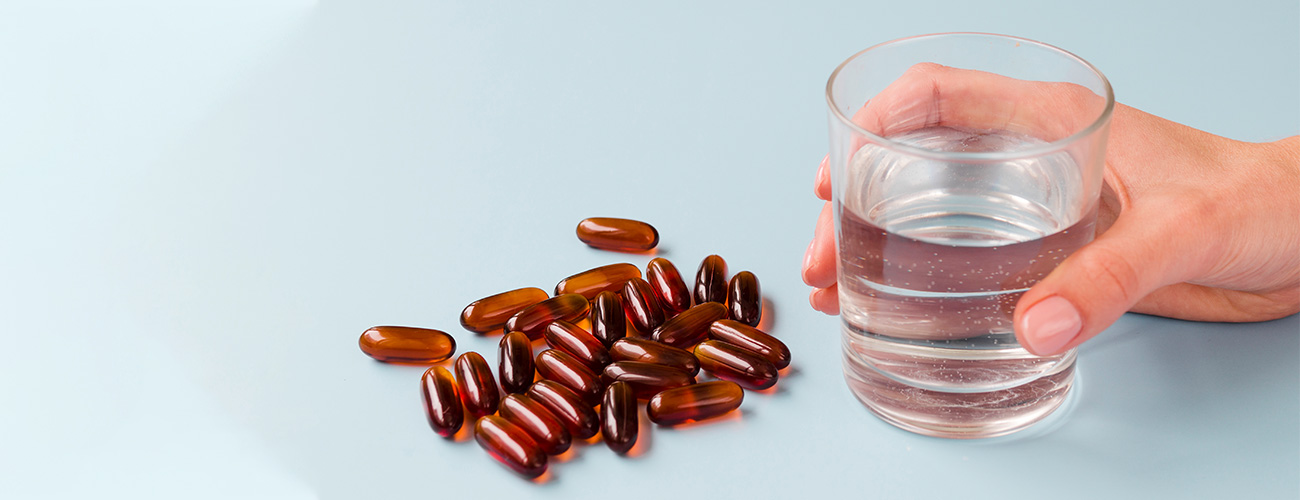
Iron is essential for good health, energy levels, and oxygen transport throughout the body. Many people take iron supplements to treat low iron levels or anaemia, but new research suggests that taking iron supplements every other day may be more effective than taking them daily. This alternate day approach can improve iron absorption, reduce side effects, and support better long-term outcomes. Below, we explore why this strategy works and who might benefit most.
Alternate Day Iron Supplementation in The Health Academy
This article on the efficacy of Alternate Day Iron Supplementation is brought to you by The Health Academy, a trusted digital hub dedicated to empowering individuals with credible, evidence-based health knowledge. Recognizing that optimal iron absorption requires understanding the body’s natural processes, our goal is to provide authoritative, research-backed information on dosing strategies and iron absorption tips. We bring together a community of health enthusiasts, professionals, and curious readers who seek to understand and improve their wellbeing, ensuring that the details on minimizing iron side effects and maximizing iron uptake are both accurate and reliable.
What Is Iron Deficiency and Why Does It Matter?
Iron deficiency occurs when the body does not have enough iron to produce adequate haemoglobin, the protein in red blood cells responsible for carrying oxygen. This can lead to iron deficiency anaemia, a condition that affects energy, mood, and physical performance.
Common symptoms include:
- Fatigue or weakness
- Pale or yellowish skin
- Shortness of breath
- Headaches
- Hair loss or brittle nails
- Heart palpitations
Iron deficiency is especially common in young women, people with chronic conditions, pregnant women, vegetarians or vegans, and individuals recovering from surgery or illness. Effective treatment for low iron levels is crucial for restoring health and quality of life.
How Iron Is Absorbed in the Body
Iron absorption mainly occurs in the small intestine. But not all iron is the same. We consume:
- Heme iron: from animal sources like red meat; absorbed efficiently
- Non-heme iron: from plant sources like spinach or legumes; less easily absorbed
When oral supplements are needed, doctors often prescribe ferrous sulphate or ferrous fumarate, which deliver elemental iron directly into the bloodstream through the digestive tract. However, absorption rates vary from person to person, and taking iron too frequently can paradoxically block absorption.
The Role of Hepcidin: The “Iron Gatekeeper”
The body naturally regulates iron through a hormone called hepcidin. Think of hepcidin as a gatekeeper: when levels are high, it tells the body to reduce iron absorption and block iron release from stores. This protects us from excessive iron accumulation.
Here’s the key:
When you take a large iron dose, hepcidin levels increase sometimes for up to 24–48 hours. If you take another supplement while hepcidin is still high, absorption drops significantly. Daily supplementation can therefore create a constant “high-hepcidin” state, limiting iron uptake.
Why Alternate Day Iron Supplementation Works Better
This is where alternate day iron supplementation makes a difference. By giving the body a rest day between doses, hepcidin levels are allowed to fall. This creates a window where the next dose of iron is absorbed more efficiently.
Benefits include:
- Higher absorption per dose
- Improved iron stores over time
- Fewer gastrointestinal symptoms
- Better compliance and tolerance
It may feel counterintuitive, but less frequent dosing often leads to better results because the body is not fighting against elevated hepcidin hormone levels.
Who Might Benefit From Alternate Day Iron
Alternate day dosing may be especially helpful for people who:
- Have experienced stomach upset with daily iron
- Have mild to moderate iron deficiency
- Are not currently pregnant
- Are recovering from illness, blood loss, or low dietary intake
- Want long-term iron replenishment with fewer side effects
For patients using supplements like ferrous sulphate or ferrous fumarate, the every-other-day method can improve outcomes and reduce discomfort.
When Alternate Day Dosing Is Not Recommended
Alternate day dosing is not ideal for everyone. Some situations require daily supplementation or medical supervision, including:
- Severe iron deficiency anaemia
- Iron deficiency during pregnancy
- Rapid recovery needs (e.g., after major blood loss)
- Individuals with malabsorption disorders
- Those receiving IV iron therapy
Always consult a doctor before changing your dosing schedule, especially if you already have ongoing anaemia treatment.
How to Take Iron for Best Absorption
To get the most benefit from supplements, follow these iron absorption tips:
Take iron on an empty stomach (if tolerated)
Pair with vitamin C (orange juice, kiwi, fruit)
Avoid taking iron alongside calcium, dairy, or antacid medications
Separate iron and tea/coffee intake by at least 2–3 hours
Stay consistent with your schedule alternate days means alternate days
Supplement type also matters. For many adults, ferrous sulphate or ferrous fumarate is recommended because they deliver predictable elemental iron doses.
Possible Side Effects and How to Manage Them
Iron can cause digestive discomfort for some people. Common iron side effects include:
- Nausea
- Dark stools
- Constipation or diarrhoea
- Metallic taste
- Stomach pain
To manage these:
- Try alternate day dosing
- Take iron at night or with a small snack
- Increase fibre and water
- Ask your doctor to try a different iron form or a lower dose
Many people find that symptom severity drops dramatically when switching to every-other-day dosing.
How to Increase Iron Naturally
Dietary strategies can complement supplementation:
- Red meat, chicken, or fish (heme iron)
- Leafy greens like spinach and kale
- Beans, lentils, and tofu
- Nuts and seeds
- Iron-fortified cereals
- Vitamin-C rich foods to support absorption
These foods help maintain healthy iron stores, though diet alone often isn’t enough for deficiency correction.
When to See a Doctor
Seek medical care if you:
- Feel extreme fatigue or dizziness
- Experience rapid heart rate or shortness of breath
- Have symptoms of anaemia that do not improve
- Cannot tolerate supplements
- Notice unexplained bleeding
Healthcare professionals can arrange testing, start anaemia treatment, and provide healthcare support to ensure proper recovery.
alternate day iron supplementation is an evidence-backed approach that can improve iron absorption, reduce side effects, and support more comfortable treatment for low iron levels. Whether you’re taking ferrous fumarate, ferrous sulphate, or a different oral supplement, working with a doctor or pharmacist is the best way to tailor your plan and restore your health safely.
FAQ'S
Why is iron absorption better every other day?
Because the body produces a hormone called hepcidin, which reduces iron absorption. When you take iron daily, hepcidin stays elevated and blocks iron intake. With alternate day iron supplementation, hepcidin levels have time to drop, allowing your body to absorb more iron from the next dose.
Which iron supplement is best, ferrous sulphate or ferrous fumarate?
Both ferrous sulphate and ferrous fumarate are commonly prescribed and provide good levels of elemental iron. Some people tolerate one better than the other. If you experience stomach upset or constipation, talk to your doctor about switching formulations or adjusting the dose.
Can I still get enough iron from food?
Diet is helpful for gut health and inflammation and maintaining iron levels, but it often isn’t enough to treat deficiency. Foods like red meat, beans, and leafy vegetables support iron absorption, especially when paired with vitamin C. However, people with anaemia usually need supplementation or medical treatment.
What is the best way to take iron?
The best way to take iron is usually on an empty stomach with a vitamin C source such as orange juice. Avoid taking it with dairy, calcium, coffee, or tea, as these can interfere with absorption. Always follow your doctor’s dosing instructions especially if you are taking iron supplements every other day.
How long does it take to see results from iron treatment?
Most people start feeling better within 2–4 weeks, but restoring iron stores can take several months. Blood tests help track progress. Your doctor may recommend continuing supplements even after your symptoms improve to fully replenish your iron reserves.
What side effects should I expect?
Common iron side effects include nausea, constipation, stomach pain, and dark stools. Alternate day dosing often reduces these symptoms. Drinking more water, increasing fibre, or taking iron with a small snack may also help.