
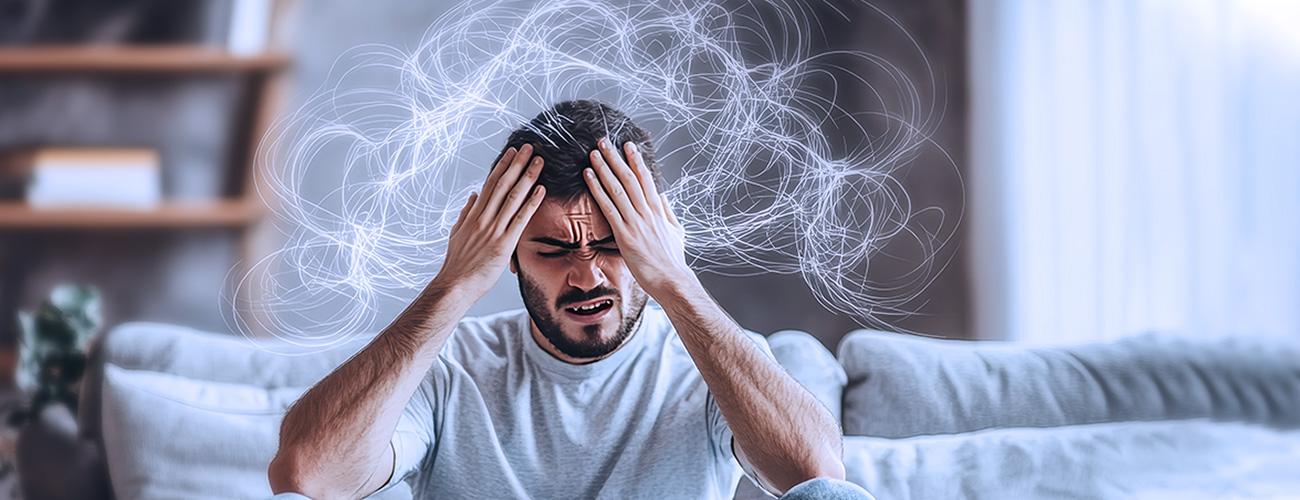
How to Tell If It’s Anxiety or Something Else: A Guide from Your GP Clinic
It is one of the most common and confusing questions a person can ask themselves: “Am I experiencing a panic attack, or is this a medical emergency?” Since anxiety is designed to trigger your body’s survival mechanisms, its symptoms often perfectly mimic serious physical conditions, leading to fear, doctor visits, and emergency room trips.
Understanding the subtle differences between genuine anxiety and the physical symptoms mistaken for anxiety is crucial for your peace of mind and knowing when to see a GP for anxiety or chest pain.
The High-Stakes Overlap: Anxiety Symptoms vs Heart Attack
The most frightening overlap occurs when anxiety manifests as a panic attack, creating symptoms startlingly similar to a cardiac event.
|
Symptom
|
Chest Pain
|
Shortness of Breath
|
Duration
|
Nausea
|
|---|---|---|---|---|
|
Anxiety/Panic Attack
|
Sharp, stabbing, or localised pain. Peaks within 10 minutes and often subsides
|
Due to hyperventilation (fast, shallow breathing)
|
Intensity peaks within 10 minutes and resolves, often within 30 minutes.
|
Can be present, but vomiting is less common.
|
|
Heart Attack
|
Crushing, squeezing pressure, or heaviness. Often radiates to the jaw, neck, back, or arms.
|
Due to reduced blood flow, often accompanied by pain during physical exertion.
|
Symptoms often start slowly with mild discomfort and generally worsen or persist.
|
Nausea and vomiting are more common, especially in women.
|
The GP Perspective: While a panic attack cannot cause a heart attack, the symptoms are too similar to dismiss. If you have sudden, severe chest pain, always call Triple Zero
(000) immediately. If the symptoms are recurrent but resolve quickly, it is time to consult your GP clinic to rule out cardiac issues.
Can Anxiety Cause Chest Pain and Dizziness?
Absolutely. Anxiety triggers an overflow of adrenaline, causing physical effects intended for “fight or flight.”
● Chest Pain: Muscle tension around the chest and ribs can lead to pain and discomfort.
● Dizziness and Light-headedness: Often caused by hyperventilation (over-breathing), which changes the balance of oxygen and carbon dioxide in the blood.
● Gastrointestinal Issues: A racing mind can lead to a churning stomach, nausea, or irritable bowel symptoms.
These physical symptoms are real, even if the root cause is psychological. A medical evaluation is necessary to distinguish functional symptoms (caused by anxiety) from structural symptoms (caused by disease)
Anxiety vs Thyroid Problem Symptoms: The Great Imposter
Many hormonal and metabolic conditions can perfectly mimic the feeling of anxiety. Thyroid dysfunction is a primary example.
● Hyperthyroidism (Overactive Thyroid): This condition speeds up your metabolism, leading to physical symptoms like rapid heart rate, palpitations, sweating, tremors, and nervousness. These symptoms are virtually identical to Generalised Anxiety Disorder (GAD).
● Hypothyroidism (Underactive Thyroid): While often causing depression, it can sometimes present with lethargy, fatigue, and difficulty concentrating, which can feed into anxious feelings about performance or health.
Your GP will often order blood tests (Thyroid Stimulating Hormone or TSH) to systematically rule out these physical causes before diagnosing an anxiety disorder.
When to See a GP for Anxiety or Chest Pain
Knowing when to seek help for ambiguous symptoms is vital for your long-term health. Your GP clinic is the front line for this diagnostic challenge.
See your GP if:
1. Symptoms are persistent: Your physical symptoms (dizziness, rapid heart rate, digestive issues) do not improve with rest, or they interfere with your ability to work, socialise, or sleep.
2. Symptoms are New and Unexplained: You suddenly develop physical symptoms without any prior history of anxiety or stress.
3. To Rule Out Medical Conditions: Your doctor can use blood tests and physical exams to systematically check for heart, lung, or thyroid issues, giving you confidence in the diagnosis.
4. To Start a Mental Health Plan: If physical causes are ruled out, your GP can provide a Mental Health Treatment Plan allowing you to access subsidised sessions with a psychologist
FAQ’S
1. How do I know if my chest pain is anxiety or a heart attack?
Distinguishing anxiety chest pain from a heart attack depends on symptom patterns. Anxiety often causes sharp, short-lasting chest pain, rapid breathing, and panic, while a heart attack produces crushing pressure that may spread to the jaw or arm. Because symptoms overlap, any new or severe chest pain needs urgent care. If episodes repeat but resolve quickly, see your GP to assess chest pain causes safely.
2. Can anxiety cause dizziness and shortness of breath?
Yes. Anxiety dizziness and shortness of breath occur when adrenaline triggers hyperventilation, changing oxygen and carbon-dioxide levels. This leads to light-headedness, chest tightness, tingling, or feelings of instability. These are real physical symptoms, but they can mimic medical issues. Anyone with persistent or unexplained dizziness should see their GP to rule out heart, lung, or thyroid problems before confirming anxiety-related symptoms.
3. How do thyroid problems mimic anxiety symptoms?
Both hyperthyroidism and anxiety disorders can cause rapid heart rate, shaking, sweating, restlessness, and sleep problems. Because these symptoms overlap, many people mistake thyroid symptoms for anxiety attacks. A simple TSH blood test from your GP can confirm whether your thyroid is overactive, underactive, or normal. Identifying the right cause ensures correct treatment and prevents long-term issues linked to thyroid dysfunction or untreated anxiety.
4. When should I see a GP for anxiety symptoms or chest pain?
You should see a GP if your anxiety symptoms are new, persistent, worsening, or interfering with daily life. Chest pain, dizziness, palpitations, or digestive issues always require medical assessment to rule out heart, lung, or thyroid conditions. Once physical causes are excluded, your GP can create a Mental Health Treatment Plan, connecting you with psychologists and evidence-based support for managing anxiety and panic attacks safely.
5. Can anxiety cause physical symptoms that feel like a medical emergency?
Absolutely. Panic attacks can trigger intense physical reactions such as chest pain, shortness of breath, trembling, nausea, and dizziness, which can feel identical to medical emergencies. These occur because the body enters a heightened fight-or-flight response. However, similar symptoms may signal heart or metabolic conditions. If symptoms are sudden, severe, or new, seek urgent medical care. Recurrent episodes should be assessed by a GP to confirm anxiety related causes.
Trusted References
1. Healthdirect. (2025). Anxiety. Retrieved from https://www.healthdirect.gov.au/anxiety
2. Beyond Blue. (2025). Understanding Anxiety disorders. Retrieved from https://www.beyondblue.org.au/mental-health/anxiety
3. Better Health Channel (Victoria Government). (2025). Anxiety disorders. Retrieved from https://www.betterhealth.vic.gov.au/health/conditionsandtreatments/anxiety-disorders
4. Heart Foundation. (2025). Heart attack warning signs. Retrieved from https://www.heartfoundation.org.au/your-heart/mental-health-and-heart-disease