
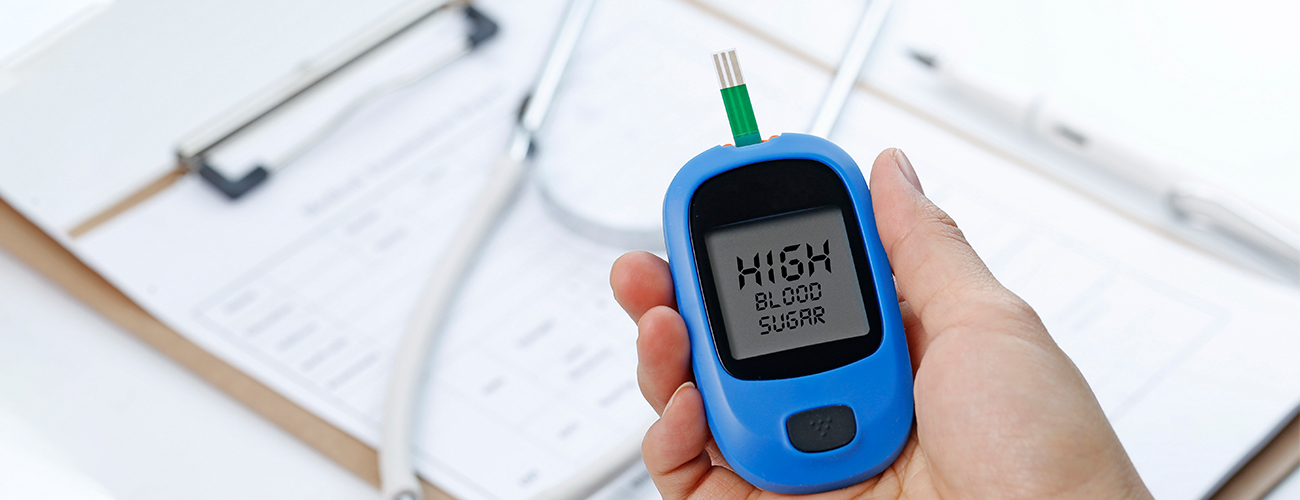
When Feeling Fine Isn’t Always Fine
It’s easy to live by the mantra, “If I feel fine, I am fine.” However, when it comes to your cardiovascular health, this assumption can be a dangerous one. High blood pressure, medically known as hypertension, is often called the silent killer for a reason: it causes quiet, progressive damage long before any noticeable symptoms appear.
Millions of adults globally are living with hypertension without even knowing it. Ignoring this serious condition puts you at severe risk for life-threatening events like stroke, kidney disease, and heart failure. The good news is that understanding, detecting, and proactive blood pressure management is one of the most effective ways to prevent these dangers of high blood pressure and protect your health.
Here is your comprehensive guide to understanding and controlling hypertension, brought to you by The Health Academy.
The Hidden Problem: Why High Blood Pressure Often Goes Unnoticed
The core question every adult must ask is: What is high blood pressure? Simply put, hypertension is a condition where the force of your blood pushing against your artery walls is consistently too high.
Why Hypertension is a “Silent Killer”
Hypertension rarely causes symptoms until it reaches an advanced stage. You can have dangerously high readings and still feel perfectly healthy. This characteristic makes regular blood pressure checks essential.
Behind the scenes, persistently elevated pressure forces your heart to work harder, thickening its walls and straining your arteries. Over time, this chronic stress damages vital organs, including your kidneys, eyes, brain, and the heart itself. This long-term damage dramatically increases your risk of complications like a heart attack or heart failure.
The essential insight: Prevention starts with awareness. Making blood pressure checks a routine part of your health regimen—at least once a year for healthy adults—can reveal issues before they escalate into crises.
Comprehensive Blood Pressure Management: Lifestyle Changes That Work
While many people search for how to lower blood pressure instantly, the reality is that long-term, sustainable lifestyle changes for hypertension are the foundation of effective management. While quick fixes like deep, controlled breathing (a form of stress management for blood pressure) can temporarily bring numbers down, consistent habits are what truly save lives.
The most powerful tools for managing your high blood pressure are found in your daily routine:
- Adopt a Lower Blood Pressure Diet: Embrace a balanced, heart-healthy meal plan (like the DASH diet). This is your core lower blood pressure diet. Crucially, you must limit sodium and processed foods, focusing instead on fruits, vegetables, whole grains, and lean proteins.
- Prioritise Physical Activity: Regular moderate aerobic activity is vital. Aim for 30 minutes of brisk walking or other suitable exercises for high blood pressure, five times a week, to significantly help lower your readings.
- Master Stress Management: Implement techniques like meditation, deep breathing, or simple quiet time. Effective stress management for blood pressure helps reduce the stress hormone cortisol, which is directly linked to hypertension.
- Quit Smoking and Limit Alcohol: These significant lifestyle changes for hypertension can dramatically lower your risk of severe complications like heart attack and stroke.
Partnering with Your Doctor for Hypertension Treatment
While lifestyle adjustments are foundational, many people require medical intervention for effective hypertension treatment. When it comes to your health, information is power.
Here are the critical questions to ask your doctor during your next appointment:
- What is my current blood pressure, and what is considered a healthy target for me?
- How often should I perform blood pressure checks at home?
- Do I need lifestyle changes for hypertension, medication, or both?
- What are the specific warning signs I should watch for that indicate a serious problem, such as potential heart failure?
Effective blood pressure management is a team effort. The more you understand your numbers and your personalised hypertension treatment plan, the better equipped you are to take charge of your health proactively.
What to Ask Your Doctor
Can I lower high blood pressure without medication?
For some individuals with mild hypertension, consistent lifestyle changes for hypertension—specifically adopting a lower blood pressure diet, regular exercises for high blood pressure, and effective stress management for blood pressure—can be sufficient to bring readings into a healthy range. However, for many, medication is a necessary part of hypertension treatment. Always consult your doctor before making changes to your treatment plan.
How often should I get my blood pressure checked?
For healthy adults, generally once a year is recommended. If you have been diagnosed with high blood pressure or are at high risk, your doctor will recommend more frequent blood pressure checks, often involving daily home monitoring for effective blood pressure management.
Why is it so important to limit sodium?
A: High sodium intake causes your body to retain fluid, which increases the volume of blood and the pressure it exerts on your artery walls. Reducing sodium is one of the fastest and most impactful lifestyle changes for hypertension you can make.
Can children or young adults get high blood pressure?
Yes. While it’s more common in older adults, children and young adults can develop hypertension, often due to genetics, obesity, or underlying health issues. This is why regular check-ups are important for all ages.
Don’t wait for symptoms to appear because with high blood pressure, they often don’t. Early detection, regular check-ups, and a proactive lifestyle can protect your heart and add years to your life. Health Academy exists to help you understand the “why” behind your wellbeing. Through education and awareness, we empower individuals to take charge of their health, because prevention is always better than cure.
Final Takeaway
References
1. World Health Organisation (WHO). (2023). Hypertension. Retrieved from https://www.who.int/news-room/fact-sheets/detail/hypertension
2. Centers for Disease Control and Prevention (CDC). (2024). About High Blood Pressure. Retrieved from https://www.cdc.gov/high-blood-pressure/about/index.html