
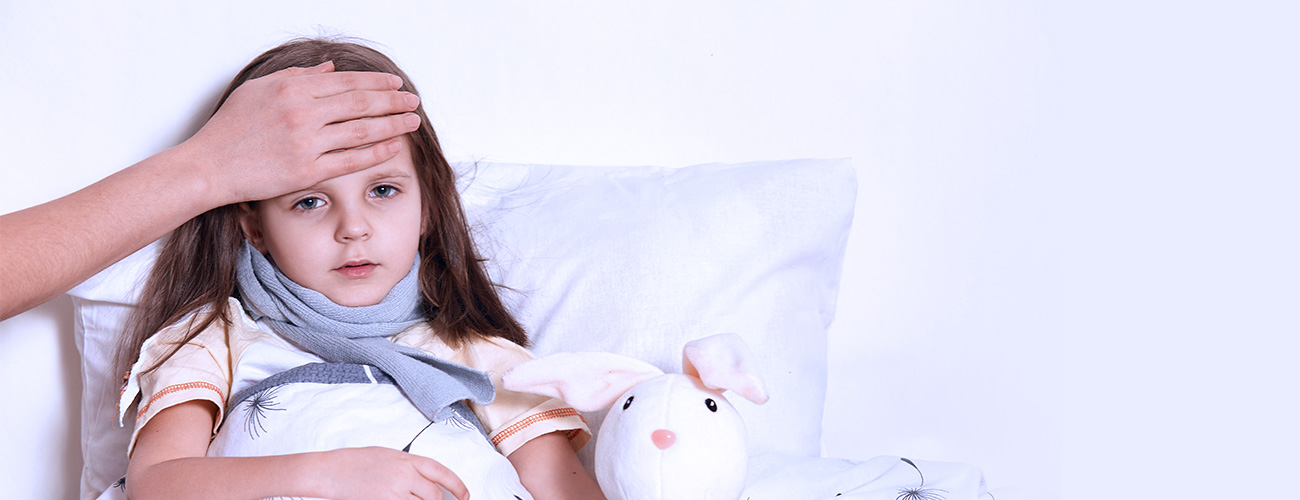
As a parent, few things are as worrying as feeling your child’s forehead and realizing it’s hot. Understanding fever in children is the first step in managing it calmly and effectively. This guide from The Health Academy is designed to equip you with the knowledge to recognize fever symptoms, treat them safely at home, and, most importantly, identify the red flags that require immediate medical attention.
The Health Academy: Your Trusted Partner in Pediatric Health
This essential guide on managing Fever in Children is brought to you by The Health Academ, a trusted digital hub dedicated to empowering individuals with credible, evidence-based health knowledge. Recognizing the anxiety that comes with baby fever and the importance of knowing when to seek urgent care (the red flags), our mission is to provide authoritative, easy-to-understand resources on safe practices, correct medication dosing, and when a high fever in children requires professional attention. We bring together a community of health enthusiasts, professionals, and curious readers who seek to understand and improve their wellbeing, ensuring this information is accurate and reliable for confident, effective home care.
What is Fever in Children?
A fever in children is not an illness; it is a symptom, a sign that your child’s immune system is actively fighting an infection. The body raises its core temperature to create an environment hostile to invading bacteria and viruses.
In simple terms, knowing what temperature is a fever in children is key:
- A temperature of 38.0°C (100.4°F) or higher (measured rectally) is generally considered a fever, and this is the most accurate reading for infants.
- For older children, an oral temperature of 37.8°C (100.0°F) or higher is often used.
- A high fever in children is generally considered any temperature above 40.0°C (104°F).
Causes of Fever in Children
Fevers are overwhelmingly caused by infections. The most common cause is viral fever in children, which often accompany colds, flu, or common childhood illnesses like roseola.
Other common causes include:
- Bacterial Infections: Such as ear infections, urinary tract infections (UTIs), or strep throat.
- Vaccinations: A low-grade fever in children is common after routine immunizations.
- Overdressing: Especially in infants, excessive clothing in a warm environment can raise the temperature.
- Teething: While some children have a slight temperature rise during teething, it rarely causes a true fever above 38.0°C.
How to Measure Temperature
Accurate measurement is crucial, especially for baby fever.
- Rectal: This is the most accurate method for infants and toddlers (under 3 years). Use a digital thermometer with a small amount of petroleum jelly on the tip.
- Forehead (Temporal Artery): A non-invasive and quick option, but may be less accurate than rectal or oral readings.
- Oral: Best for cooperative children aged four and older. Ensure the child hasn’t had a hot or cold drink in the last 15 minutes.
- Armpit (Axillary): The least accurate, often used for screening. If the armpit temperature is high, confirm it with a rectal or oral reading.
When to Treat at Home
The primary reason to treat a fever in children is not just the temperature number, but to improve your child’s comfort. If your child is lethargic, irritable, or refusing to drink, you should focus on how to reduce fever in children.
Home treatment involves:
- Medication: Use over-the-counter fever reducers based on weight, not age. This includes Acetaminophen (Paracetamol) or Ibuprofen. Note: Never give aspirin to children due to the risk of Reye’s syndrome.
- Hydration: Offer frequent small sips of water, electrolyte solutions, or clear soup to prevent dehydration.
Medication Dosing: What Parents Need to Know
Accurate dosing is essential. Always consult your pediatrician or a pharmacist for precise, up-to-date guidance, as dosages change based on your child’s weight.
For example, understanding the correct ibuprofen dosage for children is key to managing pain and fever in children effectively without risk of overdose. Ensure you do not combine acetaminophen and ibuprofen without professional medical advice, as this increases the risk of dosing errors. Only use the dropper or measuring cup that came with the specific medication.
Comfort Measures: Beyond Medication
- Lukewarm Baths: A short, lukewarm bath can offer temporary relief. Avoid cold baths or alcohol rubdowns, as these can cause shivering, which paradoxically raises the body’s internal temperature.
- Light Clothing: Dress your child in light pajamas and use a single sheet or light blanket. Excessive bundling can prevent heat loss.
- Rest: Encourage rest, but waking a sleeping child just to give medication is generally not recommended unless instructed by a doctor.
Red Flags — When to Seek Medical Help
While most fevers are harmless, some symptoms require immediate attention. Never ignore these red flags:
- Age Matters: Any baby fever (under 3 months old) with a rectal temperature of 38.0°C (100.4°F) or higher requires immediate medical assessment.
- Breathing Issues: Difficulty breathing, rapid breathing, or blueish lips/nails.
- Non-Blanching Rash: A rash that does not fade when a glass is rolled over it.
- Severe Symptoms: Unexplained severe pain, rigid neck, severe headache, or sensitivity to light.
- Behaviour Change: Extreme lethargy, difficulty waking, inconsolable crying, or confused state.
- Seizures: If your child has a febrile seizure (a seizure caused by a high temperature), call emergency services immediately, especially if it lasts longer than five minutes or is their first seizure.
What to Avoid
- Aspirin: Never give to children.
- Cold water/ice baths: Causes shivering.
- Guessing Doses: Always use weight-based dosing and a correct measuring tool.
- Mixing Medications: Do not alternate or combine acetaminophen and ibuprofen unless explicitly instructed by a healthcare provider.
Prevention Tips
While you cannot prevent every childhood infection, you can reduce the frequency:
-
- Hand Hygiene: Encourage frequent handwashing with soap and water.
- Vaccinations: Ensure your child is up-to-date on all routine immunizations.
- Avoid Contact: Try to minimize contact with visibly sick individuals.
FAQ'S
What is a febrile seizure?
A febrile seizure is a convulsion in a child, typically between 6 months and 5 years of age, which is triggered by a sudden spike in body temperature, usually above 38.8°C (101.8°F). While terrifying for parents, they are usually harmless and rarely cause lasting damage. If a seizure occurs, lay the child on their side and call for emergency medical help, especially if it is the child’s first seizure.
My child is vomiting but has no fever. What should I do?
In cases of child vomiting no fever treatment should focus entirely on hydration. The fever in children may develop later, but initially, offer tiny sips (a teaspoon every few minutes) of water or electrolyte solution. If vomiting is severe or lasts more than 24 hours, contact your doctor to rule out non-fever related issues like food poisoning or certain infections.
Should I wake my child up to give them fever medicine?
No, generally you should let a sleeping child rest. The body does a lot of healing during sleep. You only need to give medication when your child is awake and seems uncomfortable or restless due to the fever, or if your healthcare provider has given you a specific instruction to keep the fever in children down at all times.
What is the maximum time I can alternate Tylenol and Ibuprofen?
Do not alternate or combine these medications without specific advice from a healthcare professional, as it significantly increases the risk of error and overdose. If your child’s fever is not responding to a single agent, contact your doctor for guidance before attempting to combine or switch medications.