The era of “one-size-fits-all” fitness is officially over. For decades, we followed generic workout templates found in magazines or copied routines from others at the gym.
However, the biological reality is that no two bodies are identical and your DNA is at the center of that difference.
From the way we metabolize carbohydrates to our muscle fiber composition, our unique genetic and physiological makeup dictates how we respond to exercise.
Today, we are witnessing a revolution where DNA-driven personalized fitness programs are becoming the gold standard. By merging genetic blueprints with real-time data and the raw power of traditional strength training, we are entering a new frontier of human performance.
The Health Academy: Decoding the Future of Personalized Performance
Is it possible that your current workout is actually working against your genetic strengths? How can we leverage the precision of artificial intelligence to ensure every minute spent in the gym yields maximum results? This critical resource, detailing the rise of DNA, Data, and Dumbbells, is brought to you by The Health Academy, a trusted digital hub dedicated to empowering individuals with credible, evidence-based health knowledge.
Recognizing that the future of wellness lies in individuality, our mission is to provide authoritative, actionable resources. We deliver the necessary expertise to help readers understand the synergy between fitness and genetics and the undeniable power of ai health and fitness. We bring together a community of health enthusiasts, professionals, and curious readers who seek to optimize their wellbeing, ensuring our information on custom workout plans and personalized exercise plan strategies is always accurate, reliable, and scientifically sound.
The Dawn of Hyper-Personalization in Health and Fitness
Moving Beyond the Generic Template
The shift toward personalization is driven by the realization that generic routines often lead to plateaus or, worse, injuries. When you follow personalized fitness programs, every variable volume, intensity, frequency, and recovery is tuned to your specific needs. This shift is empowered by three pillars: your genetic code (the blueprint), your daily data (the status report), and AI (the architect).
The Psychology of a Custom Approach
There is a profound psychological benefit to knowing a routine was built specifically for you. It increases adherence and motivation. When a personalized exercise plan accounts for your lifestyle, stress levels, and preferences, it ceases to be a chore and becomes a sustainable part of your identity.
The Role of DNA in Designing Fitness Programs
The Genetic Blueprint
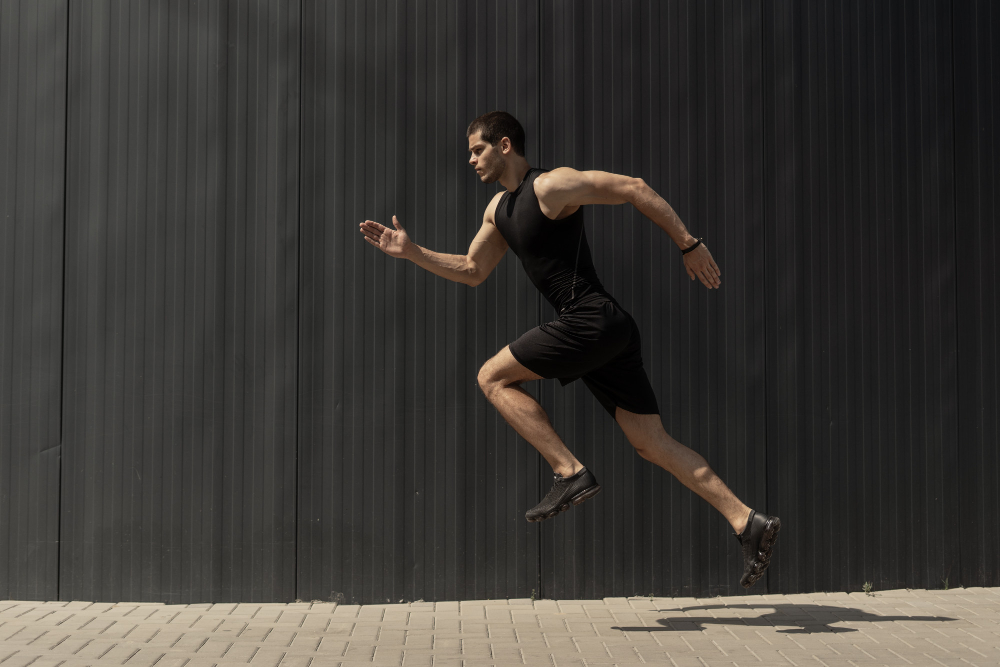
Our genes influence almost every aspect of our physical capability. Research in fitness and genetics has identified specific markers that determine whether a person is a “high responder” to cardio or strength training. For instance, the ACTN3 gene, often called the “sprinter gene,” influences whether you have a higher percentage of fast-twitch muscle fibers, which are ideal for power and speed.
Injury Predisposition and Recovery
Genetics also play a role in how prone you are to soft tissue injuries. Some individuals have a genetic makeup that results in less resilient collagen, making them more susceptible to ACL tears or tendonitis. By incorporating fitness and genetics testing into personalized fitness programs, trainers can adjust the “dumbbell” side of the routine to include more stability work for those at higher risk.
Harnessing the Power of Personal Data
Wearables and Real-Time Biometrics
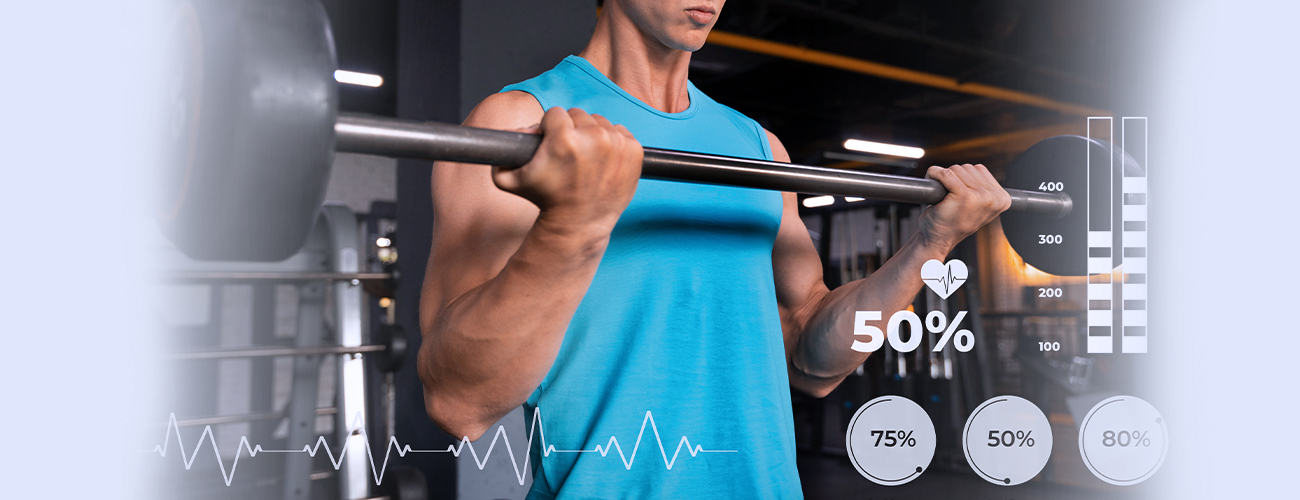
While DNA provides the long-term blueprint, personal data provides the daily context. Smart fitness technology, such as rings, watches, and straps, tracks metrics like Heart Rate Variability (HRV), Resting Heart Rate (RHR), and sleep quality. This data acts as a continuous feedback loop.
The Feedback Loop: Adjusting on the Fly
If your data shows a high stress score and low recovery, a truly personalized exercise plan shouldn’t demand a heavy lifting session. Instead, it should pivot to active recovery or mobility. This integration of smart fitness technology ensures that you are training in harmony with your central nervous system rather than fighting against it.
How Artificial Intelligence (AI) Helps
AI as the Digital Architect
Artificial Intelligence is the engine that makes sense of the mountain of data. AI health and fitness platforms can process millions of data points from your DNA results to yesterday’s caloric intake to generate custom workout plans that evolve every single day.
Predictive Analytics in Wellness
AI doesn’t just look at what you’ve done; it predicts what you need. By analyzing patterns, AI health and fitness tools can identify when you are reaching a plateau before it even happens, suggesting a “deload” week or a change in rep ranges to keep progress moving forward. This level of precision makes personalized fitness programs incredibly efficient.
Dumbbells and the Practical Side: Grounding Data in Reality
The Human Element of Strength
Despite all the high-tech ai health and fitness tools, the actual physical work still requires traditional tools. Dumbbells, barbells, and kettlebells remain the most effective ways to build bone density and muscle mass. The “Dumbbells” represent the execution phase of the personalized exercise plan.
Balancing Tech with Tradition
A common mistake is getting lost in the data and forgetting to lift. The goal of smart fitness technology isn’t to replace the dumbbell, but to tell you exactly how heavy that dumbbell should be today. Custom workout plans ensure that your strength training is focused on the movements that provide the most benefit for your specific body type and goals.
The Multi-Faceted Benefits of Personalized Fitness
Efficiency and Time Management
In a world where time is our most precious resource, personalized fitness programs ensure no effort is wasted. You aren’t doing “filler” exercises; you are doing exactly what your biology requires to reach your goals.
Long-Term Health and Longevity
By respecting your body’s limits and capitalizing on its strengths, you reduce the risk of chronic inflammation and overtraining. This approach to fitness and genetics isn’t just about looking good; it’s about extending your “healthspan” the number of years you live in peak physical condition.
The Future is Fully Personalized
We are moving toward a world where your refrigerator, your watch, and your gym equipment will all communicate to create a seamless wellness experience. The future of fitness isn’t found in a group class or a standard manual; it is found in your DNA and your data.
By embracing personalized fitness programs, you are taking ownership of your biological potential. The journey from DNA to Data to Dumbbells is the path to the best version of yourself. The technology is here, the science is clear, and the results are waiting.
FAQs
How does DNA testing actually change my personalized exercise plan?
DNA testing reveals how your body handles stress, recovers from inflammation, and builds muscle. For example, if your results show you are a “slow recoverer,” your personalized fitness programs will include more rest days or lower-intensity sessions to prevent burnout.
Understanding your fitness and genetics allows for custom workout plans that emphasize your natural strengths while proactively protecting your weaknesses, such as joints prone to injury.
Is AI health and fitness technology better than a human personal trainer?
AI is an incredible tool for data processing, but the best results often come from a “hybrid” approach. Ai health and fitness platforms can provide the technical personalized exercise plan, while a human trainer provides motivation and form correction.
However, AI is superior at analyzing thousands of biometric data points from smart fitness technology to make minute-by-minute adjustments to personalized fitness programs that a human might miss.
Do I need expensive smart fitness technology to see results?
While high-end smart fitness technology provides more data, you can start with basic metrics. The core of personalized fitness programs is using whatever data you have like heart rate or even how you feel to adjust your custom workout plans.
Over time, adding more data points through AI health and fitness tools will make your personalized exercise plan more precise, but the most important step is moving away from generic routines.
Can personalized fitness programs help if I have reached a plateau?
Absolutely. Plateaus often happen because a routine is no longer challenging the body in the right way. By using ai health and fitness to analyze your progress, you can identify exactly which variable needs to change.
Whether it’s a lack of recovery revealed by smart fitness technology or a need for different stimulus based on your fitness and genetics, custom workout plans are designed to keep you progressing.