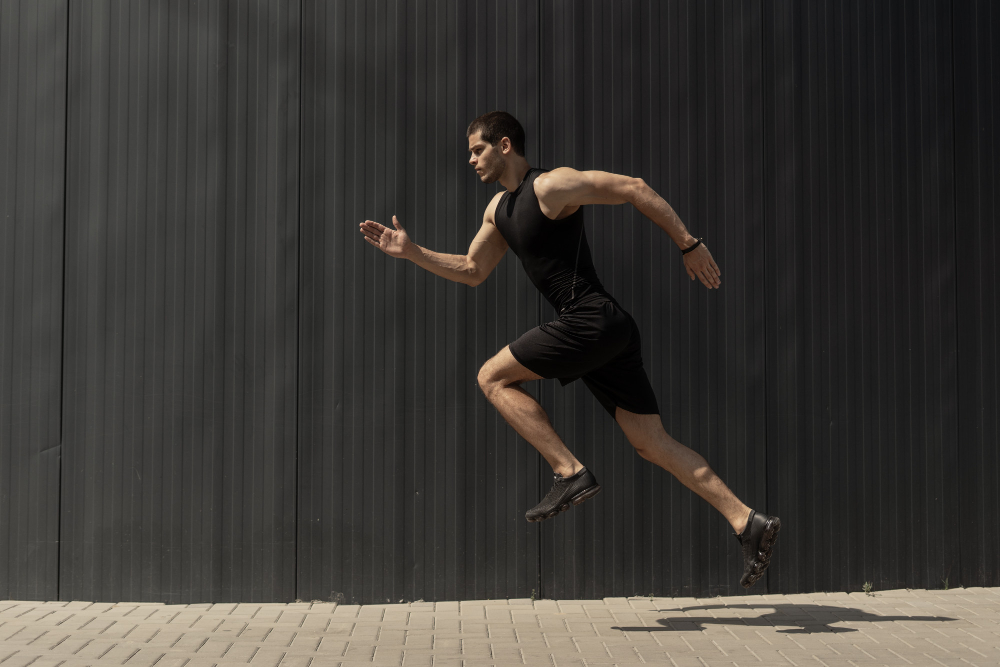
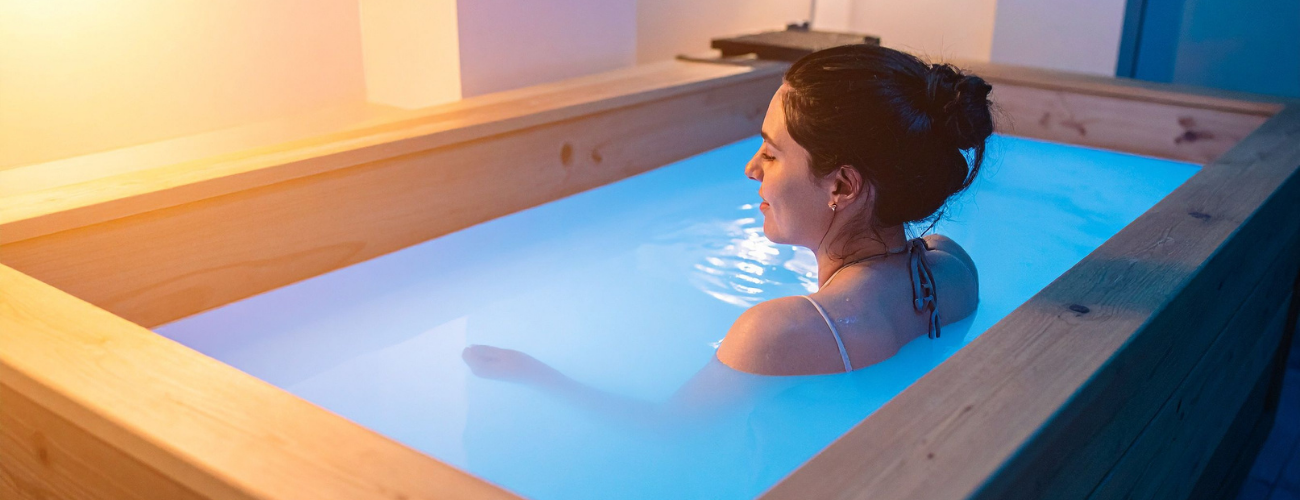
In the ever-evolving world of wellness, one of the oldest healing practices is currently making the most modern comeback. On The Health Academy, we are seeing a massive shift in how people approach physical recovery. What was once reserved for elite athletes in professional training rooms is now a global phenomenon. Contrast heat and cold therapy is no longer just a niche biohack; it is a $426 million industry driven by viral social media content and high-tech innovation.
Whether it’s a viral video of a morning ice bath or high-end clubs like Life Time installing dedicated “recovery zones” across 70 locations, the trend is clear. But behind the cold plunges and heated saunas lies a powerful physiological mechanism. Understanding contrast heat and cold therapy is the key to transforming your daily health routine.
Contrast Heat and Cold Therapy at The Health Academy
This article on contrast between heat and cold therapy and modern recovery biohacking is brought to you by The Health Academy, a trusted digital hub dedicated to empowering individuals with credible, evidence-based health knowledge. Recognizing that effective physical recovery requires more than trends or social media influence, our mission is to provide authoritative resources that explain the science behind advanced recovery methods such as contrast bath therapy, ice bath wellness, and cryocompression. We bring together a community of health enthusiasts, biohackers, and professionals seeking to optimize circulation, manage inflammation, and enhance performance, ensuring that our insights into thermal recovery, muscle repair, and wellness technology remain accurate, reliable, and grounded in scientific research.
Understanding Contrast Heat and Cold Therapy
To unmask the benefits of this trend, we first have to define its mechanics. Contrast heat and cold therapy is the practice of intentionally alternating the body between hot and cold temperatures. This rapid shift between extremes challenges the body’s thermoregulatory system, forcing it to adapt and heal in ways that single-temperature treatments simply cannot achieve. By consistently using contrast heat and cold therapy, you are essentially “training” your vascular system to be more efficient.
What is Contrast Bath Therapy?
Commonly referred to as contrast bath therapy, this method historically involves submerging a limb or the entire body in warm water followed immediately by cold water. While the tools have modernized moving from simple buckets to high-tech, temperature-controlled plunges the core principle remains the same. The primary goal of contrast bath therapy is to stimulate a systemic response that resets the nervous system and refreshes the muscles after intense exertion.
Hot Cold Contrast Therapy: The Science of Circulation
The true “magic” of hot cold contrast therapy lies in its effect on your blood vessels. When you are exposed to heat, your blood vessels undergo vasodilation (widening). When you switch to cold, they undergo vasoconstriction (narrowing). This rapid switching in hot cold contrast therapy creates a “vascular pumping” effect. This pump moves oxygen-rich blood into the tissues and flushes out metabolic waste, such as lactic acid, much faster than passive rest. This is why contrast heat and cold therapy is considered a superior recovery tool.
The Growth of Ice Bath Wellness and Biohacking
The rise of ice bath wellness isn’t just a result of scientific curiosity; it’s a cultural movement. Platforms like Instagram and TikTok have turned a grueling physical challenge into a badge of honor for the global health community. Contrast heat and cold therapy has become the centerpiece of these modern wellness routines.
Biohacking Recovery: From Social Trends to Science
For many, biohacking recovery is about finding the small gains that improve daily performance. Viral content has brought ice bath wellness to millions, but the science is what keeps them there. Biohacking recovery through temperature extremes has been shown to boost dopamine levels significantly, providing mental clarity that lasts for hours. By incorporating contrast heat and cold therapy, users can balance the shock of the cold with the relaxation of the heat for a more sustainable routine.
The Evolution of Cryocompression and Recovery Tech
As the market grows toward its projected $426 million value by 2030, technology is evolving. We are seeing the rise of cryocompression systems like Hyperice’s Game Ready that combine the benefits of cold with active pressure. Cryocompression mimics the natural pumping effect of the muscles, providing a deeper level of inflammation control. When paired with contrast heat and cold therapy, these technologies offer a professional-grade recovery experience at home.
Benefits of Contrast Therapy for Muscle Recovery
For the readers of The Health Academy, the most practical application of these trends is contrast therapy for muscle recovery. Whether you are a marathon runner or a fitness enthusiast, managing inflammation is the key to longevity, and contrast heat and cold therapy is one of the best ways to do it.
Reducing Inflammation and Speeding Up Repair
The primary reason athletes choose contrast therapy for muscle recovery is to combat Delayed Onset Muscle Soreness (DOMS). By alternating temperatures, you reduce the buildup of inflammatory markers. Studies show that contrast therapy is often superior to cold water immersion alone because the “heat phase” keeps the tissues pliable while the “cold phase” limits swelling. Utilizing contrast heat and cold therapy ensures you spend less time sore and more time training.
Contrast Therapy Techniques for Peak Performance
To get the most out of contrast therapy, timing is essential. A standard protocol for contrast heat and cold therapy often involves 3 minutes of heat followed by 1 minute of cold, repeated for 4 to 5 cycles. This specific application of contrast heat and cold therapy ensures the body receives the maximum vascular benefit without overstressing the heart.
Takeaway: The Future of Contrast Therapy
The data is undeniable: contrast heat and cold therapy is a permanent fixture in the wellness landscape. As brands expand and more homes install “smart plunges,” professional-grade recovery is becoming accessible to everyone. Contrast heat and cold therapy represents the perfect bridge between ancient wisdom and modern technology.
Building a Professional Recovery Routine at Home
You don’t need a $10,000 setup to start your biohacking recovery journey. You can begin with “Contrast Showers” alternating between hot and cold water. By making contrast heat and cold therapy a habit, you are investing in your long-term circulation and physical resilience. As contrast heat and cold therapy continues to evolve, The Health Academy will be here to provide you with the latest evidence-based protocols.
FAQs
Is contrast heat and cold therapy better than just an ice bath?
While both have benefits, contrast therapy is often preferred for muscle soreness because the heat phase helps maintain mobility and blood flow, whereas a pure ice bath can sometimes cause muscle stiffness.
How often should I practice contrast therapy for muscle recovery?
For most people, 2–3 times a week is sufficient. However, after high-intensity training, a session within 48 hours is ideal for reducing the effects of DOMS.
What exactly is cryocompression?
Cryocompression is a technology that uses a wrap or sleeve to provide both cold and pulsating pressure to a limb. It is highly effective for reducing swelling after acute injuries or intense workouts.
Can I do contrast bath therapy if I have high blood pressure?
Extreme temperature changes can put stress on the heart. If you have cardiovascular issues, always consult your GP before attempting hot cold contrast therapy or any intense temperature biohacks.
How cold does the water need to be for ice bath wellness?
For therapeutic benefits, the water should typically be between 10°C and 15°C (50°F to 59°F). It should be cold enough to trigger a physiological response but not so cold that it causes pain or injury.