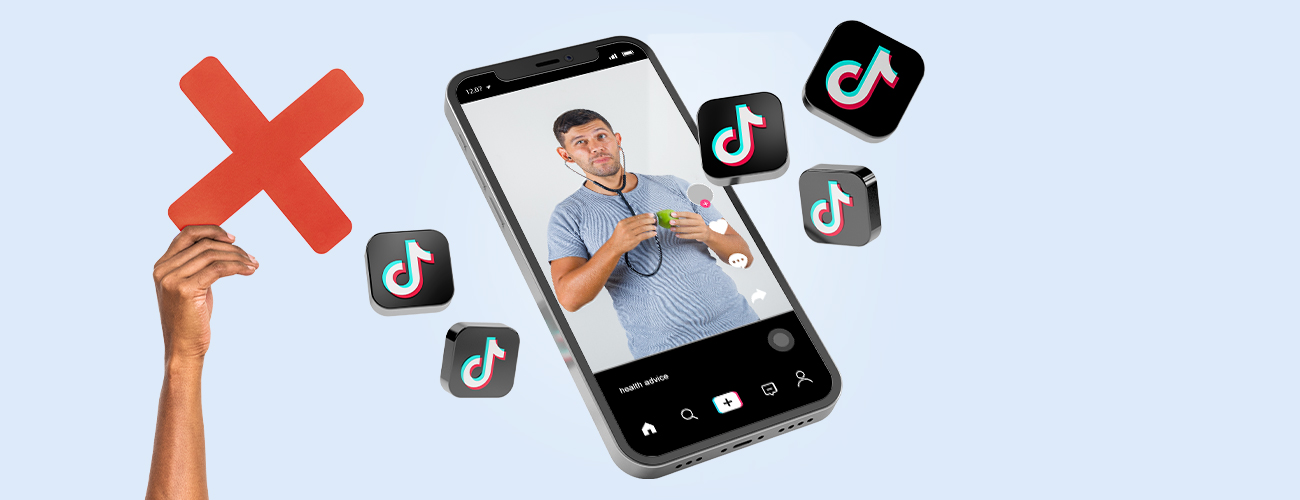
Have you ever tried a TikTok health hack that promised instant results, only to find yourself feeling worse or perhaps just a little bit fooled? In Australia, our obsession with wellness has created a goldmine for creators, but it has also turned our feeds into a breeding ground for health misinformation. From the coastal cafes of Bondi to the suburbs of Melbourne, we are being bombarded with “miracle” cures that often lack a single shred of evidence.
The problem is that health misinformation on social media doesn’t always look like a lie; it looks like a glowing testimonial from someone with perfect skin and a bright smile. But behind the aesthetic filters, many of these health trends on tiktok are nothing more than digital medical myths
The Health Academy: Decoding the Truth Behind Viral Trends
Is your “For You Page” actually a hazard to your physical wellbeing? Can we learn to spot the subtle difference between a genuine wellness tip and a dangerous viral lie? This critical resource, detailing the reality of health misinformation, is brought to you by The Health Academy, a trusted digital hub dedicated to empowering individuals with credible, evidence-based health knowledge. Recognising the rising tide of health trends on tiktok and the psychological impact of misleading content, our mission is to provide authoritative, actionable resources. We deliver the necessary expertise to help readers distinguish between health myths and facts and navigate the sea of misleading articles about health. We bring together a community of health enthusiasts, professionals, and curious readers who seek to improve their wellbeing, ensuring our health advice is always accurate, reliable, and grounded in clinical reality
The “Light” Trends: Wellness or Just Water?
Let’s start with the trends that seem harmless at first glance: the “gateway” hacks that introduce us to the world of unverified health advice
Trend 1: The Internal Shower
The Viral Claim: Drinking a massive glass of water with two tablespoons of chia seeds and lemon juice will “flush out” your entire digestive system and result in instant weight loss.
What Science Actually Says: While chia seeds are a fantastic source of fiber, there is no such thing as an “internal shower.” Your body has a highly sophisticated detoxification system for your liver and kidneys. Adding a massive amount of fiber all at once without proper hydration can actually lead to severe bloating and constipation.
Why This Is a Red Flag: It promotes a “quick fix” mentality for digestive health. True wellness is about consistent lifestyle habits, not a single, uncomfortable drink. This is a classic example of how health misinformation simplifies complex biology
Trend 2: Chlorophyll Water for “Internal Deodorant”
The Viral Claim: Dropping liquid chlorophyll into your water will clear your skin, boost your energy, and act as an internal deodorant so you don’t need to wear perfume.
What Science Actually Says: While chlorophyll is essential for plants, the human body doesn’t process it the same way. Most of the benefits touted in health trends on tiktok are anecdotal. You get more chlorophyll and actual vitamins by simply eating a bowl of spinach.
Why This Is a Red Flag: It’s an expensive supplement replacing a cheap, whole-food alternative. These misleading articles about health often target young Australians who are looking for “aesthetic” ways to be healthy
Moving into the “Grey Zone”: Nutritional Confusion
As we scroll deeper, the health misinformation on social media becomes more targeted, often attacking specific food groups or promising to “fix” your hormones.
Trend 3: Cortisol “Cocktails” to Stop Weight Gain
The Viral Claim: Your “stressed-out” hormones are the only reason you aren’t losing weight, and this specific blend of powders will “balance” your cortisol overnight.
What Science Actually Says: Cortisol is a complex hormone that follows a circadian rhythm. You cannot “balance” it with a drink. In fact, many people who think they have high cortisol are actually suffering from burnout or lack of sleep issues that a powder cannot fix. This is one of the most persistent medical myths currently circulating.
Why This Is a Red Flag: It uses “science-y” language to sell a product. When health advice focuses on a single hormone without a medical diagnosis, it’s almost always health misinformation
Trend 4: Seed Cycling for Period Pain
The Viral Claim: Eating specific seeds (pumpkin, flax, sesame, sunflower) at different times of the month will regulate your menstrual cycle and eliminate PCOS symptoms.
What Science Actually Says: While seeds are healthy, there is no robust clinical evidence that “cycling” them changes hormonal profiles in a significant way. For those with clinical conditions like PCOS, relying on seeds instead of medical intervention can delay necessary treatment.
Why This Is a Red Flag: It gives people a false sense of medical control. Health trends on tiktok that offer “natural” cures for complex endocrine disorders can be a major source of health misinformation.
The Danger Zone: High-Risk DIY “Medicine”
This is where the algorithm takes a dark turn. We are now seeing health trends on tiktok that involve actual physical danger or the misuse of pharmaceutical products
Trend 5: Mouth Taping for Better Sleep
The Viral Claim: Taping your mouth shut at night forces you to breathe through your nose, which supposedly improves jawline structure and cures sleep apnea.
What Science Actually Says: For people with undiagnosed sleep apnea or nasal congestion, this is incredibly dangerous. Nose breathing is beneficial, but forcing it by taping your mouth shut can lead to obstructed breathing during the night.
Why This Is a Red Flag: It’s a “DIY” solution for a serious medical condition. This type of health misinformation on social media bypasses the need for a sleep study or professional consultation.
Trend 6: Using Diabetes Medication for Weight Loss (Off-Label)
The Viral Claim: Using a specific injectable medication meant for Type 2 diabetes is the “ultimate hack” for getting a summer body with zero effort.
What Science Actually Says: These medications are powerful drugs that affect the metabolic system and must be used under strict medical supervision. Misusing them can lead to severe gastrointestinal issues, thyroid complications, and muscle wasting.
Why This Is a Red Flag: It contributes to medication shortages for those who actually need it for survival. This is perhaps the most harmful of all medical myths: the idea that a prescription drug is a lifestyle accessory
Red Flags Checklist: If You See These, Scroll Away
How can you tell if you are looking at health myths and facts? Use this checklist to filter your feed and protect yourself from health misinformation.
- The “Secret” Knowledge: Does the creator claim that “doctors don’t want you to know this”? True science is shared, not hidden.
- The Instant Result: Does it promise a transformation in 24 hours or a week? Biology takes time.
- The Sales Pitch: Is there a link in the bio to a specific supplement? Most health trends on tiktok are just clever marketing.
- The “One-Size-Fits-All”: Does it claim to cure everything from acne to anxiety? If it sounds too good to be true, it’s health misinformation.
- Lack of Credentials: Is the person giving the health advice a qualified medical professional, or just someone with a lot of followers?
The Hidden Toll: Misinformation and Mental Health
The danger of health misinformation isn’t just physical. Constantly being told that your body is “broken” or that you aren’t doing enough to be “well” can lead to significant anxiety and orthorexia (an unhealthy obsession with healthy eating).
When health trends on tiktok tell you to track every hormone or cut out entire food groups, they create a culture of fear. Health misinformation on social media thrives on making you feel insecure so that it can sell you a solution. Real health should feel empowering, not like a never-ending list of things you are doing wrong
FAQ’s
Why is health misinformation on social media so common in Australia?
Australia has a high “wellness” culture, which makes us a target for health trends on tiktok. Algorithms prioritise engagement, so shocking or “miracle” health advice travels faster than boring, evidence-based science. Because health misinformation often uses emotional testimonials rather than data, it feels more relatable. Always check health myths and facts against reputable sources like the Australian Department of Health or your local GP.
How can I tell if a TikTok creator is giving reliable health advice?
Look for credentials first. A registered dietitian (RD) or a medical doctor (MD) is more reliable than a “wellness coach.” Check if they cite peer-reviewed studies or if they are just sharing a personal anecdote. Most health misinformation on social media relies on the creator’s appearance rather than their education. If they are selling a supplement while giving health advice, proceed with extreme caution.
Is it always dangerous to follow health trends on tiktok?
Not always, but the risk is high. While some tips like drinking more water or eating more greens are fine, the problem is the health misinformation that accompanies them. For example, “water” becomes “chlorophyll water” and “walking” becomes “weight-loss walking at 3 AM.” When health advice becomes a “hack,” it often loses its safety and scientific backing. Always consult a professional before trying new medical interventions.
What should I do if I’ve shared a health myth that I now realize is false?
The best thing to do is delete the post or add a correction. We have all been fooled by misleading articles about health at some point. By being honest about health misinformation, you help your friends and family become more critical of the content they see. Re-sharing verified health myths and facts from trusted organizations is a great way to combat the spread of digital lies.
Why do these medical myths keep going viral even if they are debunked?
Fear and hope are powerful motivators. Health misinformation often addresses common problems like fatigue or weight gain that people are desperate to solve. When health trends on tiktok promise a fast solution, our brains are wired to want it to be true. This “confirmation bias” makes us ignore the science in favor of the “miracle,” keeping health misinformation on social media alive.
The next time a health hack goes viral, pause before you save it. Your body is a complex, living system, not a social media project. Before you tape your mouth, drink the green juice, or buy the “hormone-balancing” powder, ask yourself: is this science, or is this just a scroll-stopping story?