
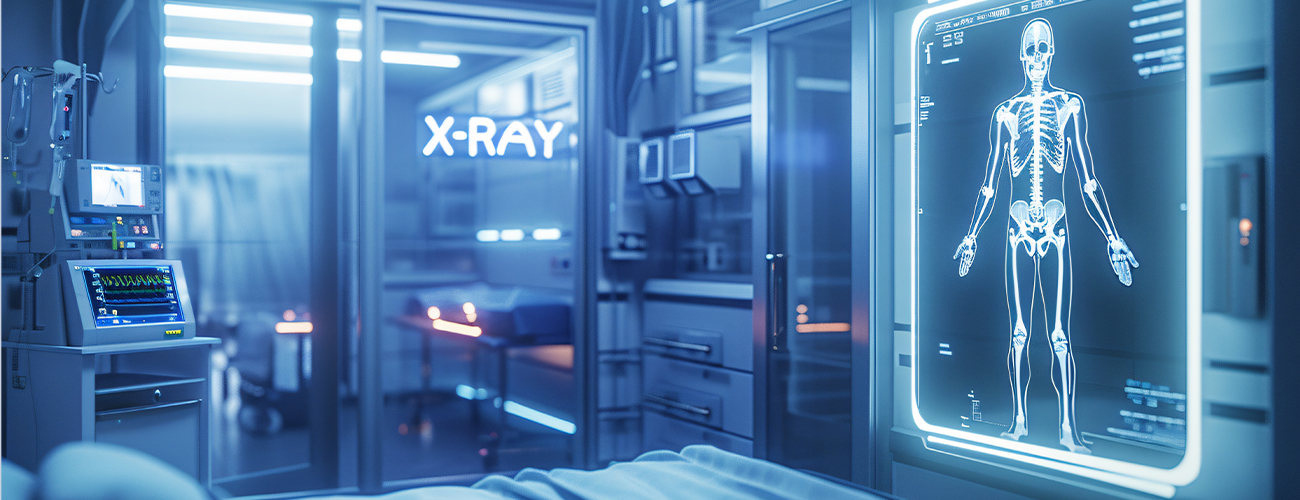
The healthcare landscape is undergoing a radical shift, moving away from reactive treatments toward a proactive, data-driven model. At the heart of this evolution is the future clinic, a space where technology and medicine converge to provide highly personalised care.
This digital health transformation is not just about replacing paper with screens; it is about utilising digital health tools to understand patient needs before they become emergencies. By integrating medical innovation into every touchpoint, the future clinic promises a more efficient and accurate experience for everyone involved. In this article, we explore how these advancements are reshaping our health journey.
The Health Academy: Our Commitment to the Future of Digital Healthcare
This timely and crucial article on the future clinic and its profound potential for transforming modern medicine is brought to you by The Health Academy, a trusted digital hub dedicated to empowering individuals with credible, evidence-based health knowledge.
Recognising the rapid shift toward a data-driven model and the complexities surrounding digital health transformation, our mission is to provide authoritative, updated resources. We deliver the necessary expertise to help readers understand the evolving science of predictive care, smart imaging, and the effective management of electronic health records ehr. We bring together a community of health enthusiasts, professionals, and curious readers who seek to understand and improve their wellbeing, ensuring that our information on medical innovation, big data in medicine, and patient data privacy is always accurate and reliable.
Understanding the Future Clinic: A New Era in Healthcare
The concept of a future clinic represents a departure from the traditional waiting room and toward a streamlined, high-tech environment. This new era is defined by digital health transformation, where patient flow is optimised by AI and connectivity.
In a next-generation clinic, the focus shifts toward predictive care, allowing doctors to intervene earlier than ever before. By leveraging digital health ecosystems, these clinics ensure that care is continuous rather than episodic. Ultimately, the future clinic aims to bridge the gap between hospital visits and daily wellness.
What Are Electronic Health Records (EHR) and Why They Matter
The foundation of any future clinic is the widespread adoption of electronic health records ehr. These are not merely digital versions of paper charts;
They are living documents that provide a comprehensive view of a patient’s journey. Electronic health records ehr allow for telemedicine integration, ensuring that a specialist across the country has the same data as your local GP. Furthermore, cloud based medical records ensure that this information is accessible in real-time, reducing errors and redundant testing. Without the backbone of electronic health records ehr, the vision of a connected next-generation clinic would be impossible to achieve.
The Digital Pulse: How Technology is Reimagining the Modern Clinic
Technology acts as the “digital pulse” of the future clinic, constantly circulating data to improve outcomes. Through smart medical devices, doctors can now track vitals without the patient ever leaving their home via remote monitoring.
This integration of smart medical devices into the clinical workflow allows for a more responsive treatment plan. In a future clinic, these devices feed directly into clinical decision support systems, helping providers make evidence-based choices quickly. This reimagining of the clinic makes digital health a tangible reality for patients worldwide.
AI-Driven Diagnostics: The New Gold Standard in Medical Imaging
The field of imaging diagnostics has been revolutionised by artificial intelligence. In the next-generation clinic, smart imaging tools analyse scans with a level of precision that complements human expertise.
Computer aided diagnosis cad algorithms can flag microscopic anomalies in X-rays or MRIs that might otherwise go unnoticed. This shift toward smart imaging represents the new gold standard, as it significantly reduces diagnostic wait times. By utilising computer aided diagnosis cad, a future clinic ensures that imaging diagnostics are faster, more accurate, and more reliable.
How Data Analytics Improves Patient Outcomes
Data is the fuel that powers predictive care in the next-generation clinic. By analysing vast amounts of information, clinical decision support tools can identify patterns in a patient’s history that suggest a high risk for specific conditions.
This application of predictive care allows for medical innovation to move from general guidelines to personalised treatment plans. When a future clinic uses analytics, it can optimise telemedicine appointments by having all relevant data ready before the call starts. Consequently, predictive care is the key to improving the quality of life for patients with chronic illnesses.
How Big Data is Shaping the Future of Diagnostics
The era of big data in medicine has arrived, turning millions of data points into actionable insights. In a future clinic, big data in medicine helps researchers understand how different populations respond to treatments.
This global perspective enhances imaging diagnostics by training AI on diverse datasets, ensuring accuracy for all ethnicities and ages. Moreover, big data in medicine facilitates telemedicine integration, allowing for large-scale remote monitoring studies. As the next-generation clinic evolves, its reliance on massive data sets will only grow, further cementing the role of medical innovation.
Security and Privacy Concerns in Digital Healthcare
As we move toward cloud based medical records, patient data privacy has become a top priority. A future clinic must implement robust cybersecurity measures to protect sensitive information from breaches.
Maintaining patient data privacy is essential for building trust in telemedicine and other digital health services. Ethical digital health transformation requires that patients have control over who sees their cloud based medical records. Therefore, every next-generation clinic must balance the benefits of data sharing with the absolute necessity of patient data privacy.
Future Trends: What’s Next for Smart Clinics and Predictive Healthcare
The next step for the next-generation clinic involves deeper telemedicine integration and even more advanced smart medical devices. We are moving toward a world of “ambient” healthcare, where remote monitoring happens through wearable tech and home sensors seamlessly.
The ultimate promise of the future clinic is predictive care that prevents disease before it ever manifests. As medical innovation continues to accelerate, the distinction between “home” and “clinic” will blur. This evolution ensures that predictive care becomes the standard, making the future clinic a reality for everyone.
FAQs
What exactly makes a facility a “future clinic”?
A future clinic is defined by its deep integration of digital health transformation tools like AI-driven smart imaging and predictive care models. These facilities utilise electronic health records ehr and smart medical devices to provide a seamless, data-rich environment for both patients and doctors. The primary goal of a next-generation clinic is to shift from reactive care to proactive, personalised wellness.
How does remote monitoring benefit the patient?
Remote monitoring allows patients to have their health tracked in real-time using smart medical devices from the comfort of their own homes. This is a core feature of the future clinic, as it reduces the need for frequent in-person visits and allows for immediate intervention if vitals change. By integrating remote monitoring with telemedicine, patients receive high-quality care without the stress of travel.
Is my information safe in cloud based medical records?
While the move to the cloud raises questions about patient data privacy, modern future clinic systems use advanced encryption and strict access controls to safeguard your data. Cloud based medical records are often more secure than paper files because every access is logged and monitored for suspicious activity. Maintaining patient data privacy is a legal and ethical requirement that remains a top priority for all digital health providers.
Will AI replace my doctor in the future clinic?
No, technology like computer aided diagnosis cad and smart imaging is designed to support, not replace, human expertise. In a future clinic, AI handles the big data in medicine and flags potential issues, allowing the doctor to focus more on the patient’s individual needs and emotional well being. The doctor remains the final authority in clinical decision support, using AI as a powerful tool for better outcomes.
How does the future clinic improve telemedicine?
The next-generation clinic enhances telemedicine by providing doctors with a full view of electronic health records ehr and real-time data from remote monitoring during the call. This telemedicine integration ensures that virtual visits are just as effective as in-person ones for many conditions. It allows for a higher level of predictive care by making healthcare accessible to those in remote areas or with limited mobility.