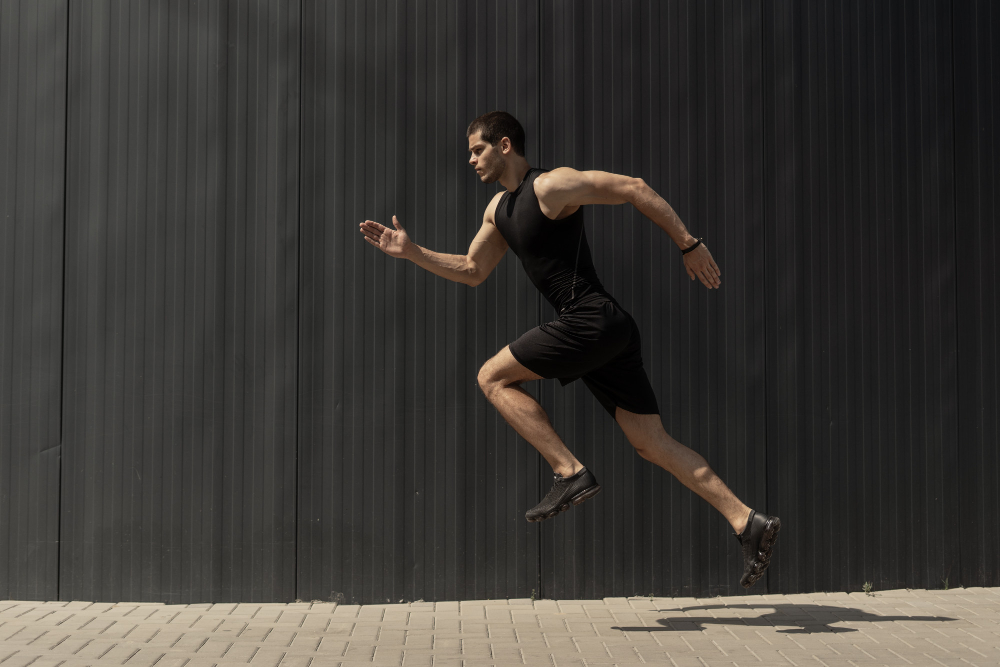

The quest for optimal fitness has long revolved around human intuition and trial-and-error. But what if there was a coach that understood your body’s every nuance, 24/7? A coach that could adapt your regimen based on your sleep quality, recovery, and even your mood?
This isn’t science fiction; it’s the reality of AI in fitness. This revolutionary technology is changing how we approach health, making highly personalized workout plans accessible to everyone.
The Health Academy: Our Expertise in Digital Training Innovation
This deep dive into the future of customized exercise is brought to you by The Health Academy, a trusted digital hub dedicated to empowering individuals with credible, evidence-based health knowledge. Recognizing the transformative potential of AI in fitness and the intricate science behind advanced workout programming, our mission is to provide authoritative, actionable resources.
We deliver the necessary expertise to help our readers understand complex concepts like biometric feedback and adaptive fitness training. We bring together a community of health enthusiasts, professionals, and curious readers who seek to understand and improve their wellbeing, ensuring that our information on smart coaching apps and wearable tech integration is always accurate, reliable, and cutting-edge.
Beyond the Human Coach: The Rise of AI in Fitness
For decades, the gold standard of personalized training involved a human expert. While invaluable, human trainers are limited by the hours in a day and their ability to continuously monitor your physiology. The rise of AI in fitness offers a new paradigm: a tireless, data-driven coach accessible at your fingertips. This isn’t about replacing human trainers, but augmenting our capacity for truly individualized progress.
How Algorithms Decipher Your Biometric Data
At the core of AI in fitness lies the sophisticated analysis of your biometric feedback. Think of your smartwatch, fitness tracker, or even your smart gym equipment. These devices collect vast amounts of data: heart rate variability, sleep patterns, active minutes, calories burned, and even your mood logs.
AI personal trainer algorithms process this raw information, identifying subtle patterns that indicate recovery status, fatigue levels, and readiness for a challenge. This continuous learning enables a deeper understanding of your body than any episodic human interaction could provide.
The Science of Personalization: How AI in Fitness Learns You
The real power of AI in fitness is its unparalleled ability to personalize. Unlike generic plans, AI adapts to you, turning data into an evolving training strategy.
Real-Time Adjustments Based on Sleep and Recovery
Imagine your personalized workout for tomorrow automatically adjusts because your wearable tech integration showed you had a restless night, or your heart rate variability indicated incomplete recovery. This is precisely what advanced AI in fitness systems do.
By tracking metrics like REM sleep, deep sleep, and stress levels, the algorithm can dynamically suggest lighter loads, more active recovery, or even a complete rest day, optimizing your body’s response and preventing overtraining.
Automated Progressive Overload: Perfecting Your Strength Gains
A fundamental principle of building strength and muscle is progressive overload consistently increasing the demands on your body. Historically, this was a manual process of tracking reps and sets. Now, AI in fitness automates this with precision.
Based on your completed workouts, the algorithm can incrementally increase weights, reps, or decrease rest times. If an exercise feels too easy, the AI personal trainer will challenge you more next time; if it’s too difficult, it will adjust down, ensuring steady and safe progress without guesswork.
Injury Prevention: How AI in Fitness Protects Your Body
One of the most valuable contributions of AI in fitness is its potential for injury prevention. Poor form or excessive load are common culprits, and AI is uniquely positioned to address both.
Computer Vision and Real-Time Form Correction
Many modern coaching apps now integrate computer vision technology. Using your smartphone camera, these algorithms can analyze your movement patterns during exercises. If your squat depth is off, or your back is rounding during a deadlift,
the AI personal trainer provides immediate, real-time feedback and corrections, just like a human coach standing beside you. This ensures you maintain proper form, significantly reducing the risk of strains and injuries.
Predictive Modeling to Avoid Over-Training and Burnout
The cumulative stress of training, coupled with life’s daily demands, can lead to over-training a state where performance plateaus or declines, and injury risk skyrockets. AI in fitness utilizes predictive modeling by analyzing trends in your performance data, recovery metrics, and even subjective feedback.
If it detects early signs of burnout or impending injury based on subtle shifts in your biometric data, it can proactively recommend adjustments to your personalized workout plan, ensuring you stay healthy and consistent in your routine.
Navigating the Digital Fitness Landscape in Australia
Australia is quickly embracing digital fitness technology, from connected gyms to at-home wearable tech integration. The landscape is rich with innovative solutions, making virtual fitness coaching more accessible than ever before.
With a growing number of coaching apps and smart gym equipment entering the market, Australians have unprecedented access to personalized guidance. However, it’s crucial to understand how these technologies work, what data they collect, and how they contribute to your overall well-being. The goal is to leverage these tools to enhance your fitness journey, making it more efficient, safer, and ultimately, more successful.
Is AI in Fitness the Future of Personal Training?
The role of AI in fitness is not to replace human connection but to elevate the entire training experience. It provides an unprecedented level of data-driven insight and continuous adaptation that human trainers, by themselves, cannot offer. By integrating AI personal trainer algorithms, wearable tech integration, and advanced workout programming, we are moving towards a future where optimal health and peak performance are tailored precisely to each individual’s unique needs and daily realities. This is adaptive fitness training at its best a powerful partnership between human goals and artificial intelligence.
FAQs
Will an AI personal trainer replace my human coach?
Not necessarily. AI in fitness excels at data analysis, personalization, and real-time adjustments based on your biometric data. A human coach provides motivation, empathy, and specialized guidance that AI cannot replicate. Many see the ideal scenario as a partnership between the two.
How accurate is the biometric feedback from wearable tech integration?
Modern wearables, especially those with advanced biometric feedback sensors, are highly accurate for tracking metrics like heart rate, sleep stages, and activity levels. When integrated with AI in fitness algorithms, this data becomes even more powerful for creating your personalized workout plan.
How does AI prevent injury?
AI in fitness aids injury prevention through several mechanisms. It can use computer vision to correct your form in real-time, preventing biomechanical errors. It also employs predictive modeling to analyze your recovery data and prevent over-training by recommending active rest or reduced intensity before symptoms appear.
Can these AI fitness apps integrate with smart gym equipment?
Yes, many leading coaching apps and AI personal trainer platforms are designed for seamless wearable tech integration and connectivity with smart gym equipment. This allows for a more holistic data collection and precise workout programming.
Is AI in fitness suitable for beginners?
Absolutely! Adaptive fitness training is particularly beneficial for beginners. AI in fitness can scale exercises down to your current ability, provide clear visual and auditory cues for proper form, and gradually increase intensity as you get stronger, reducing frustration and the risk of early injury.
References
https://www.finance.gov.au/about-us/news/2025/introducing-aps-ai-plan
https://www.dta.gov.au/media-releases/driving-australias-digital-future-2025-implementation-plan
https://www.ausport.gov.au/services-and-programs/learning-resources/conferences/stars2025
Roadmap recommendations for safe, ethical, sustainable and personalised AI in healthcare