
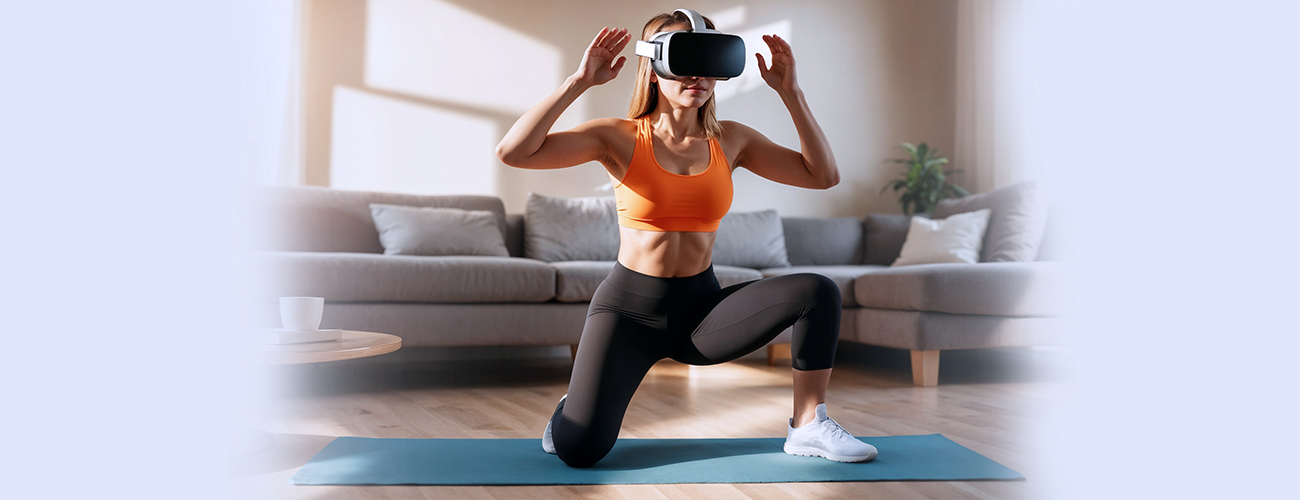
The landscape of physical health is undergoing a seismic shift. We have moved past the era where you had to choose between the high-energy environment of a local gym and the convenience of a living room workout.
As we look toward the near future, it is becoming clear that hybrid fitness is the bridge that connects these two worlds, offering a level of flexibility and data-driven precision never seen before in the industry.
By 2026, the “all or nothing” approach to gym memberships will be a thing of the past. Instead, the most successful athletes from beginners to professionals will be those who leverage the strengths of both digital and physical spaces to create a cohesive, sustainable lifestyle.
The Health Academy: Redefining Strength Through Hybrid Innovation
Is it possible to achieve elite results without being tethered to a traditional gym six days a week? How can we use the precision of modern data to enhance the human touch of a professional trainer?
This critical resource, detailing the rise of hybrid fitness, is brought to you by The Health Academy, a trusted digital hub dedicated to empowering individuals with credible, evidence-based health knowledge. Recognizing the evolving needs of the modern exerciser and the crucial role of flexibility in long-term wellness, our mission is to provide authoritative, actionable resources.
We deliver the necessary expertise to help readers understand the synergy between at home gym technology and the undeniable in person training benefits. We bring together a community of health enthusiasts, professionals, and curious readers who seek to optimize their wellbeing, ensuring our information on personalized workout programs and smart fitness devices is always accurate, reliable, and forward-thinking.
What is Hybrid Fitness?
The Evolution of Exercise
At its core, hybrid fitness is a methodology that blends physical gym visits with tech-enabled home workouts. It isn’t just about having a gym membership and a fitness app; it is about the seamless integration of data and environment. In a hybrid model, your progress at the gym informs your recovery at home, and your biometric data from home informs your intensity at the gym.
Breaking the "Digital vs. Physical" Binary
For years, the industry was divided. The 2020 pandemic forced everyone into digital spaces, but the subsequent years saw a massive return to brick-and-mortar facilities. However, people didn’t want to give up their smart fitness devices. Hybrid fitness allows for a “best of both worlds” scenario where technology supports human effort rather than replacing it.
The Role of Technology in At-Home Workouts
The Rise of Smart Fitness Devices
The growth of at home gym technology has transformed the average living room into a sophisticated lab. We now have access to AI-powered mirrors that correct our form in real-time and stationary bikes that simulate world-class terrain.
These smart fitness devices provide a level of immediate feedback that was once only available to Olympic athletes.
Data-Driven Personalization
Modern fitness technology tracks heart rate variability (HRV), sleep quality, and VO2 max. When these metrics are integrated into a hybrid workout plan, your routine becomes hyper-personalized.
If your wearable device detects that you didn’t sleep well, your app can automatically adjust your morning session from a high-intensity run to a restorative mobility flow.
The Undeniable Advantages of In-Person Training
The Psychology of the "Third Space"
While technology is powerful, it cannot fully replicate the psychological benefits of being in a dedicated physical space. In-person training benefits include the “group effect” , the psychological phenomenon where people work harder and experience higher pain tolerance when exercising in a community. The gym serves as a “third space” outside of home and work, which is essential for mental clarity.
Real-Time Human Correction and Safety
No matter how advanced AI becomes, a professional trainer provides nuances that sensors might miss. Trainers can spot subtle fatigue in a client’s eyes or a slight tremor in their grip, adjusting the personalized workout programs on the fly to prevent injury. This human connection builds accountability, a factor that remains the number one predictor of long-term fitness success.
Why 2026 Will Be the Year of Hybrid Fitness
The Maturation of Ecosystems
By 2026, the silos between gym brands and tech companies will have dissolved. We are already seeing major gym chains launching their own proprietary apps that sync directly with home equipment.
This ecosystem ensures that whether you are at the gym or in your garage, your data lives in one place, making hybrid fitness the most logical way to track progress.
The Demand for Radical Flexibility
The modern workforce is increasingly “hybrid” itself. With people splitting time between home offices and corporate buildings, their fitness must follow suit. A hybrid workout plan accommodates the busy parent, the traveling executive, and the remote worker by removing the barrier of “getting to the gym” on days when time is at a premium.
Practical Tips for Implementing Hybrid Fitness
Audit Your Current Equipment
You don’t need a million-dollar setup to start. Begin by identifying which smart fitness devices you already own. Even a simple smartwatch is a great start. Pair this with a local gym that offers “open gym” hours or specialized classes to maximize your in person training benefits.
Create a Consistent Schedule
The danger of flexibility is a lack of structure. To succeed, designate specific days for your “Power Sessions” (in-person) and “Maintenance Sessions” (at-home). Use personalized workout programs that clearly outline which environment is best for which goal. For example, heavy squats are best for the gym, while zone 2 cardio is perfect for at home gym technology.
Focus on Social Integration
Use fitness technology to stay connected. Join digital leaderboards or community challenges offered by your gym. This keeps the spirit of hybrid fitness alive, ensuring that even when you are working out alone at home, you feel part of a larger movement.
The Future of Optimal Results
The most effective workout is the one you actually do. Hybrid fitness removes the excuses by providing a solution for every mood, every schedule, and every energy level. By 2026, we won’t just be “going to the gym” or “working out at home” we will be engaging in a fluid, high-tech, high-touch lifestyle that prioritizes results over location.
If you are looking for optimal results, it is time to stop choosing sides. Embrace the power of at home gym technology while honoring the community of the gym. The future of your health is hybrid, and the journey starts now.
FAQs
What exactly does a typical week of hybrid fitness look like?
A common hybrid workout plan might include three days of in-person strength training to maximize in person training benefits like heavy equipment and coaching. The other two to three days would utilize at home gym technology, such as a peloton or yoga app, for recovery and cardio.
This balanced approach ensures you get the intensity of professional facilities and the convenience of personalized workout programs in your own home.
Is hybrid fitness more expensive than a regular gym membership?
Not necessarily. While there is an initial investment in smart fitness devices, many find that hybrid fitness saves money on gas, childcare, and high-tier boutique memberships. Many gyms are now offering “hybrid-only” tiers that are cheaper than full memberships, giving you access to their digital platforms and limited in-person visits. It’s about reallocating your budget toward fitness technology that provides long-term value and flexibility.
Can I achieve weight loss goals using a hybrid workout plan?
Absolutely. In fact, hybrid fitness is often more effective for weight loss because it increases “adherence.” When you have a hybrid workout plan, you are less likely to skip a session due to a busy schedule.
By combining the metabolic boost of in person training benefits (like heavy lifting) with the daily tracking of smart fitness devices, you create a 24/7 environment of accountability and health.
How do I know which at-home gym technology is worth the investment?
Look for fitness technology that offers “open” data meaning it can sync with other apps and your gym’s system. The best smart fitness devices are those that you will actually use consistently.
Start with tools that support personalized workout programs, such as a high-quality heart rate monitor or a versatile set of adjustable dumbbells, before moving into larger, more expensive pieces of at home gym technology.
References
https://www.health.gov.au/resources/publications/national-digital-mental-health-framework
https://www.safetyandquality.gov.au/standards/national-safety-and-quality-digital-mental-health-standards