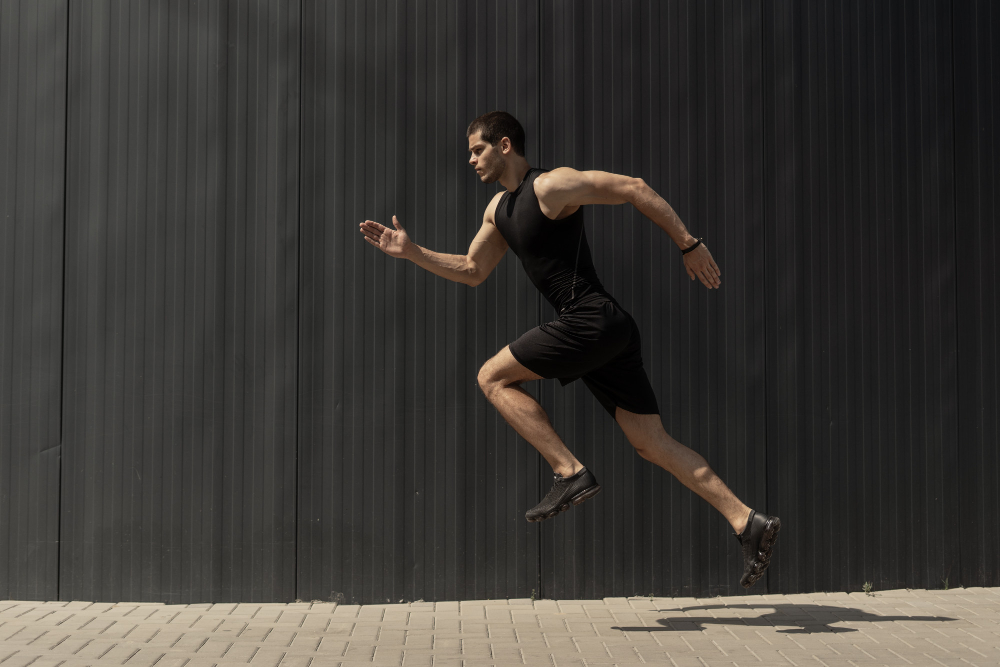

79% of women take a day off exercise when their period starts.
For decades, the standard fitness industry was designed around a 24-hour hormonal cyclea biological reality for men, but not for women. Modern science is finally catching up, revealing that women’s bodies operate on an infradian rhythm, a 28-day cycle that dictates energy, metabolism, and recovery.
This is where the concept of cycle syncing workouts becomes a game-changer. By aligning your physical activity with your hormonal fluctuations, you move away from fighting your body and start working with it.
The Health Academy: Decoding the Female Blueprint for Peak Performance
Is it possible that the secret to breaking your fitness plateau isn’t working harder, but working differently according to your biology? How much more could you achieve if your training schedule respected your body’s natural hormonal ebbs and flows?
This critical resource, detailing the data-backed shift of Cycle-Syncing Your Workouts, is brought to you by The Health Academy, a trusted digital hub dedicated to empowering individuals with credible, evidence-based health knowledge.
Recognizing the unique physiological needs of women and the crucial role of hormonal health in long-term vitality, our mission is to provide authoritative, actionable resources.
We deliver the necessary expertise to help readers understand the complex interaction between the menstrual cycle and physical performance, such as managing energy during the luteal phase and the benefits of exercise during period weeks.
We bring together a community of health enthusiasts, professionals, and curious readers who seek to optimize their wellbeing, ensuring that our information on women’s health and fitness and period friendly workouts is always accurate, reliable, and scientifically sound.
What is Cycle-Syncing?
The Science of the Infradian Rhythm
Cycle-syncing is the practice of adjusting your lifestyle, nutrition, and fitness routine to match the four distinct phases of the menstrual cycle. Unlike traditional “push through the pain” mentalities, this method acknowledges that your hormones, specifically estrogen and progesterone change significantly every week. These fluctuations impact everything from your lung capacity to your ligament laxity.
Why Traditional Fitness Advice Often Fails Women
Most fitness studies have historically been conducted on men to avoid the “complication” of menstrual cycles. Consequently, women often feel like they are failing when they can’t hit a Personal Record (PR) during their luteal phase. Cycle syncing workouts correct this by validating that your body isn’t “weak” during certain weeks; it’s simply optimized for a different type of energy expenditure.
Key Statistics in Women’s Fitness
The Period Gap in Exercise
Statistics show a staggering 79% of women take a day off exercise when their period starts. While rest is often necessary, this high percentage also reflects a lack of knowledge regarding period friendly workouts. Many women stop moving entirely because they aren’t sure how to adapt their routine to their symptoms.
Hormonal Impact on Injury and Performance
Research indicates that women are up to six times more likely to suffer ACL injuries during the ovulatory phase due to increased joint laxity caused by estrogen spikes. Furthermore, surveys show that 60% of female athletes feel their performance is affected by their cycle, yet only a fraction of them utilize a menstrual cycle workout plan to mitigate these effects.
Menstrual Cycle Phases and Their Impact on Workouts
To effectively implement cycle syncing workouts, you must understand the four biological “seasons” of your month.
Phase 1: The Menstrual Phase (The Winter)
This phase begins on day one of your period. Your estrogen and progesterone are at their lowest points.
- The Impact: You may feel low energy, experience cramping, or feel “heavy.”
- The Strategy: Focus on exercise during period days that encourages blood flow without high stress. Think of gentle movement.
- Best Workouts: Walking, restorative yoga, or light stretching.
Phase 2: The Follicular Phase (The Spring)
Following your period, estrogen begins to rise, and your energy starts to climb.
- The Impact: Your brain is more “plastic” and ready to learn new skills. You are more resilient to stress.
- The Strategy: This is the time to try a new class or start increasing the intensity of your women’s health and fitness routine.
- Best Workouts: Hiking, light jogging, and moderate strength training.
Phase 3: The Ovulatory Phase (The Summer)
Mid-cycle, estrogen peaks and testosterone rises briefly.
- The Impact: This is your high-energy peak. You are strongest and most confident here.
- The Strategy: This is the peak of your menstrual cycle workout plan. Go for your PRs, but be mindful of your form as ligaments are looser.
Best Workouts: HIIT, heavy lifting, and high-energy spin classes.
Phase 4: The Luteal Phase (The Autumn)
Progesterone becomes the dominant hormone.
- The Impact: Your metabolic rate increases, but your endurance might decrease. You may feel more breathless as your body temperature rises.
- The Strategy: Transition toward period friendly workouts as you approach the end of this phase. Avoid over-training, which can spike cortisol and worsen PMS.
- Best Workouts: Pilates, steady-state cardio, and strength training with higher reps and lower weights.
Potential Benefits of Cycle-Syncing
Hormonal Balance and Reduced PMS
By not over-stressing the body during the luteal phase, many women report a significant reduction in PMS symptoms like bloating, irritability, and painful cramps. Cycle syncing workouts helps keep cortisol levels in check, which prevents hormonal “burnout.”
Enhanced Muscle Recovery and Growth
When you align heavy lifting with the follicular and ovulatory phases, you take advantage of estrogen’s anabolic (muscle-building) properties. Conversely, moving to period friendly workouts during the menstrual phase allows the body to repair tissues more effectively.
Improved Mental Health and Body Image
One of the greatest benefits to women’s health and fitness is the psychological shift. Instead of feeling guilty for needing a rest day, you recognize it as a biological requirement. This fosters a healthier relationship with exercise and reduces the “shame” associated with the 79% of women who take a day off exercise.
Practical Tips for Starting Your Journey
Step 1: Track Your Cycle
You cannot start cycle syncing workouts without data. Use a tracking app or a journal to note which day of your cycle you are on and how your energy feels on a scale of 1–10.
Step 2: Listen to Your Biofeedback
If your menstrual cycle workout plan says “HIIT” but you feel exhausted, honor your body. Biofeedback (sleep quality, hunger, mood) is more important than any template.
Step 3: Adjust Your Nutrition
Pair your exercise during period phases with the right fuel. In the luteal phase, you may need more complex carbohydrates to support your rising metabolic rate.
Step 4: Focus on Sleep Hygiene
Recovery is the “hidden” part of women’s health and fitness. Your sleep needs will change; you may need an extra hour during your luteal and menstrual phases.
Embracing the Ebb and Flow
Cycle syncing workouts is about more than just fitness; it is about body literacy. When we acknowledge that women are not “small men” but complex biological beings with unique needs, we unlock a more sustainable way to live.
Whether you are looking for period friendly workouts or a high-intensity menstrual cycle workout plan, the key is consistency through flexibility. Stop fighting your biology and start using it as your greatest athletic advantage.
FAQs
Is it safe to do high-intensity exercise during period days?
While it is generally safe to perform high-intensity exercise during period phases, it may not be optimal for everyone. Due to low hormone levels, your power output might be lower, and recovery could take longer.
If you feel energized, go for it! However, many find that switching to period friendly workouts like yoga or brisk walking helps manage inflammation and cramping while maintaining their fitness consistency.
How do I start cycle syncing workouts if I am on hormonal birth control?
If you are on the pill, your natural hormonal fluctuations are suppressed. However, you still have a “withdrawal bleed” week. Even without a natural ovulation peak, many women find that cycle syncing workouts by lowering intensity during their placebo week helps with fatigue.
Focus on general women’s health and fitness principles by listening to your energy levels daily, as your “cycle” is synthetically regulated.
Can a menstrual cycle workout plan help with irregular periods?
Yes, reducing physical stress through cycle syncing workouts can help balance the endocrine system. Over-exercising (especially in the luteal phase) can lead to “hypothalamic amenorrhea” or irregular cycles.
By incorporating period friendly workouts and ensuring adequate rest, you lower systemic cortisol. This supportive approach to women’s health and fitness creates an environment where your body feels safe enough to maintain a regular, healthy cycle.
Does cycle-syncing mean I will lose progress in my fitness goals?
Quite the opposite! By utilizing cycle syncing workouts, you actually prevent burnout and overtraining injuries. You are training harder when your body is primed for it (follicular/ovulatory) and recovering when your body needs it. This strategic menstrual cycle workout plan leads to better long-term gains in strength and endurance because you aren’t constantly sidelined by injury or extreme fatigue during your luteal phase.