
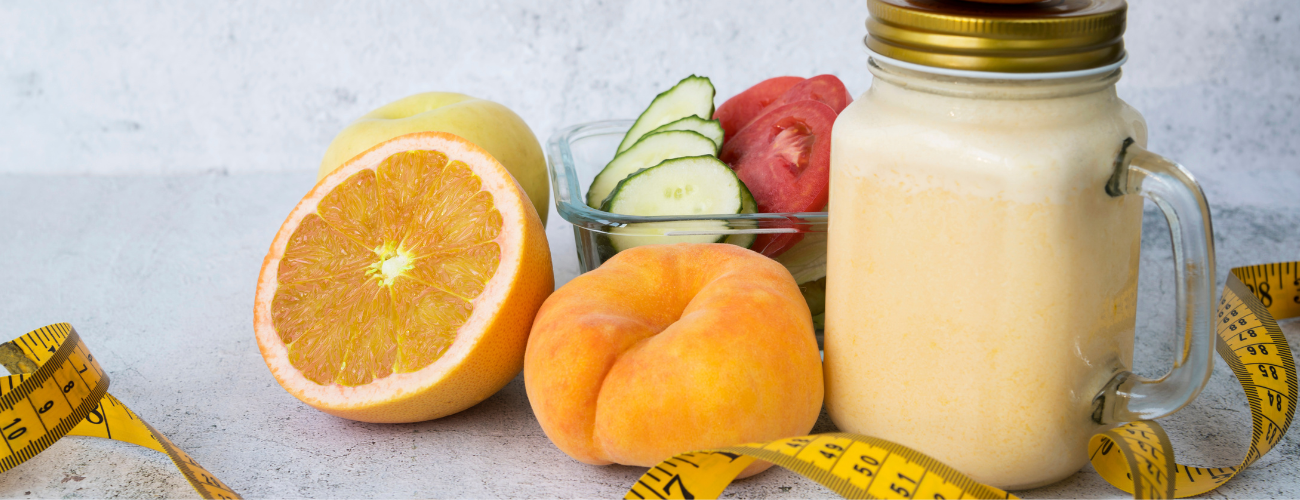
The healthcare landscape has been transformed by the arrival of glp 1 drugs, marking a new chapter in medical weight loss. While medications like ozempic offer powerful results, they require a shift in how we view nourishment. True success in the ozempic era is not just about the number on the scale; it is about protecting your metabolic health through specialised nutrition while using glp 1 drugs. To achieve sustainable weight loss, one must balance the drug’s effects with a strategy that safeguards the body’s core systems. This guide explores how to navigate this journey using glp 1 drugs effectively.
The Health Academy: Our Commitment to Sustainable Medical Weight Loss
This timely and crucial article on Ozempic era nutrition and its profound lessons for medical weight loss is brought to you by The Health Academy, a trusted digital hub dedicated to empowering individuals with credible, evidence-based health knowledge. Recognising the global impact of glp 1 drugs and the confusion surrounding conditions like muscle loss, metabolic adaptation, and the psychological effects of reduced appetite, our mission is to provide authoritative, updated resources. We deliver the necessary expertise to help readers understand the evolving science regarding blood sugar regulation, insulin sensitivity, and the management of side effects like slowed gastric emptying. We bring together a community of health enthusiasts, professionals, and curious readers who seek to improve their metabolic health, ensuring that our information on a high protein diet, micronutrients, and sustainable weight loss strategies is always accurate and reliable.
Understanding GLP‑1 Drugs: What Ozempic Does to Your Body
To understand how glp 1 drugs like ozempic transform the body, it is essential to look at the biological mechanisms they trigger to support medical weight loss:
- Hormonal Mimicry: These medications mimic natural satiety hormones, sending signals to the brain that reduce hunger and cravings.
- Delayed Gastric Emptying: They work by slowing gastric emptying, which means food remains in the stomach longer, leading to prolonged fullness.
- Metabolic Control: By enhancing blood sugar regulation and improving insulin sensitivity, glp 1 drugs help the body process energy more efficiently.
- Appetite Suppression: The resulting powerful appetite suppression helps individuals manage their caloric intake, but it also necessitates a focus on hormonal balance to avoid fatigue.
The Rise of the Ozempic Era: Why Nutrition Matters More Than Ever
In this era of medical weight loss, nutrition is no longer about restriction but about preservation. Because glp 1 drugs significantly reduce your desire to eat, the risk of nutrient deficiency becomes a primary concern. Without a deliberate plan, the body may experience metabolic adaptation, where the calorie-burning engine slows down due to insufficient fuel. Therefore, users of glp 1 medications must prioritise a high protein diet and balanced nutrition to prevent the exhaustion and “brain fog” often associated with vitamin deficiencies.
The Science Behind Ozempic and Weight Loss
The weight loss seen with glp 1 drugs is driven by a combination of reduced caloric intake and improved hormonal balance. Beyond just appetite suppression, these drugs help recalibrate the body’s insulin sensitivity, making it easier to access stored fat for energy. However, the science also warns of metabolic adaptation if weight loss occurs too rapidly without adequate support. Understanding this metabolic shift is essential for anyone using glp 1 medications to ensure their progress leads to long-term metabolic health.
How GLP-1 Medications Change Your Relationship with Food
One of the most profound psychological effects of glp 1 drugs is the elimination of “food noise”. This shift in eating behavior allows individuals to practice mindful eating without the constant biological urge to overconsume. While appetite suppression simplifies weight management, it also changes the social and emotional role of food. Navigating these changes requires a focus on emotional well being, ensuring that the new eating behavior remains healthy and supportive of a sustainable weight loss journey.
The Hidden Cost of Rapid Weight Loss: Muscle vs. Fat
While the results of glp 1 drugs are impressive, rapid weight loss carries a “hidden cost” that can jeopardise your long-term metabolic health:
- Significant Muscle Loss: Research indicates that without intervention, up to 25% of the weight lost on glp 1 drugs can come from lean muscle tissue rather than fat.
- Risk of Sarcopenic Obesity: Losing muscle while maintaining high body fat can lead to sarcopenic obesity, a condition where physical strength and metabolic rate are severely compromised.
- Metabolic Adaptation: When the body loses muscle, it may undergo metabolic adaptation, slowing down the calorie-burning engine and making sustainable weight loss harder to maintain.
- Impact on Strength: Protecting against muscle loss is vital because muscle is the primary driver of physical performance and overall vitality.
The Gut-Brain Axis: How GLP-1 Drugs Impact Your Mood
The gut-brain axis plays a massive role in how glp 1 medications influence emotional well being. Because these medications alter gut signals and satiety hormones, they can indirectly affect neurotransmitters responsible for mood. Some users report psychological effects like anhedonia, or a reduced ability to feel pleasure, as the brain’s reward centers react to the drug. Maintaining hormonal balance through proper gut health is essential for protecting your emotional well being while on glp 1 drugs.
The Protein Priority: Preventing Muscle Wasting While on Ozempic
To ensure your journey with glp 1 drugs is successful, you must prioritise specific nutritional strategies to protect your body’s core systems:
- High Protein Diet: A high protein diet is non-negotiable; it provides the essential amino acids needed to repair and preserve lean tissue during a caloric deficit.
- Combating Nutrient Deficiency: Because you are eating less, every meal must be dense in micronutrients to prevent a nutrient deficiency that could lead to vitamin deficiencies and exhaustion.
- Resistance Training: Combining a high protein diet with regular resistance-based physical activity is the most effective way to stimulate muscle growth and prevent wasting.
Strategic Supplementation: Using targeted supplementation can help bridge the gap when appetite suppression makes it difficult to meet all your nutritional needs through food alone.
B-Vitamins and Zinc: Why Your Mood Depends on What You (Barely) Eat
When you “barely eat” due to glp 1 drugs, you risk developing specific micronutrients shortages. Vitamin deficiencies, particularly in B-vitamins and zinc, can lead to increased anxiety and decreased cognitive function. These micronutrients are essential for the metabolic processes that support emotional well being and energy production. Addressing a nutrient deficiency early through a whole foods diet and supplementation is key to avoiding mood swings and maintaining metabolic health.
Ozempic Era Supplement Guide: What You Really Need
Because glp 1 drugs can make it difficult to consume large volumes of food, targeted supplementation is often necessary. A focus on high-quality micronutrients, such as vitamin D, magnesium, and omega-3s, helps bridge the gap created by appetite suppression. Additionally, supplementation with electrolytes can help manage side effects related to slowed gastric emptying. Always consult with a provider to tailor supplementation to your specific needs while using glp 1 drugs for medical weight loss.
FAQs
Can glp 1 drugs cause permanent muscle loss?
Muscle loss is a significant risk during rapid weight loss, but it is not necessarily permanent if you intervene early with a high protein diet. By engaging in regular physical activity, such as resistance training, you can signal your body to preserve and rebuild lean tissue. Consistent movement is the most effective way to protect your metabolic health and prevent sarcopenic obesity.
How do glp 1 drugs affect my metabolism in the long run?
Rapid weight loss can lead to metabolic adaptation, a state where your body burns fewer calories at rest to conserve energy. To prevent this, you must ensure you are not under-eating to an extreme degree and that you are maintaining muscle mass through physical activity. Protecting your muscle is the best way to ensure your sustainable weight loss remains permanent and your metabolic rate stays high.
Are vitamin deficiencies common when taking ozempic?
Yes, vitamin deficiencies can occur because the appetite suppression caused by glp 1 drugs leads to a much lower intake of varied, nutrient-dense foods. Common issues include low levels of B12, iron, and zinc, which can directly impact your emotional well being and cognitive energy. Proactive supplementation and focusing on micronutrients density in every meal can help mitigate these risks during medical weight loss.
What should I eat to help with gastric emptying side effects?
Slowed gastric emptying can cause nausea, so it is best to eat small, frequent meals that are easy for the body to digest. Focus on a high protein diet but avoid excessively greasy or very high-fiber meals in one sitting, as they can worsen gastrointestinal discomfort. Staying hydrated and maintaining blood sugar regulation through small, consistent portions is key to managing the effects of glp 1 drugs.
How do I maintain my emotional well being while on this medication?
Protecting your emotional well being involves monitoring the psychological effects of reduced food intake and the resulting hormonal shifts. Ensuring you get enough micronutrients like B-vitamins and magnesium through a whole foods diet can help stabilise your mood and prevent brain fog. Practice mindful eating to stay connected to your body’s actual needs and seek professional support if you notice significant changes in your psychological effects.