
Have you ever wondered why some people have a perfectly straight smile while others struggle with teeth that seem to have a mind of their own? A smile is often the first thing people notice about us, but dental health goes far deeper than just aesthetics. Your teeth are the primary tools for chewing food, the foundation for speaking clearly, and a major pillar of self-confidence. When your teeth are misaligned, it doesn’t just change your look; it can lead to chronic headaches, jaw pain, and even digestive issues because food isn’t being broken down properly.
Correcting these issues is where the science of orthodontics comes in. By using braces, dentists can realign your smile and, more importantly, correct your bite. This guide explores the modern landscape of dental correction, helping you understand which path to a healthier smile is right for you.
The Health Academy: Your Trusted Hub for a Holistic Healthy Lifestyle
This comprehensive guide on transitioning into 2026 with a balanced and holistic approach to well-being is brought to you by The Health Academy, a trusted digital hub dedicated to empowering individuals with credible, evidence-based health knowledge. As we move into a year defined by sustainability rather than quick fixes, our mission is to provide the authoritative resources necessary to align your mind, body, and soul. We bring together a community of health enthusiasts, professionals, and curious readers who seek to understand and improve their wellbeing, ensuring that every recommendation from holistic nutrition and preventive care to mental clarity is accurate, reliable, and designed to help you build a resilient and intentional healthy lifestyle.
What Are the Different Types of Braces?
When people think of orthodontics, they often picture the “metal mouth” look from middle school movies. However, modern technology has expanded the options significantly. If you are wondering what are the different types of braces, the answer depends on your lifestyle, budget, and the severity of your bite issues.
Metal Braces (Traditional)
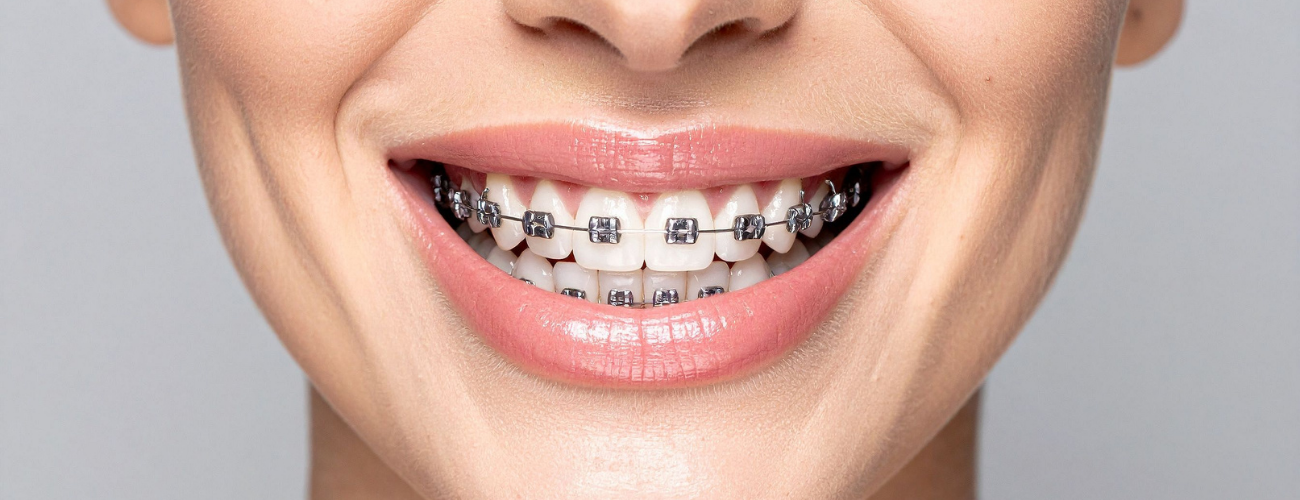
Metal braces are the most common and historically effective option. They consist of stainless steel brackets and wires that apply steady pressure to move teeth into position.
- Advantages: Extremely durable and effective for complex cases. They are often the fastest way to move stubborn teeth.
- Disadvantages: Very noticeable and can cause initial irritation to the cheeks and gums.
Clear Braces (Ceramic)
Clear braces work exactly like traditional ones but use tooth-colored or transparent ceramic brackets.
- Advantages: Much less noticeable than metal, making them a favorite for adults.
- Disadvantages: The ceramic material is more fragile than steel, and the clear elastics can stain if you drink a lot of coffee or tea.
Removable Aligners
Popularised by brands like Invisalign, removable aligners are clear, plastic trays custom-molded to your teeth.
- Advantages: Virtually invisible and can be removed for eating and brushing.
- Disadvantages: Requires strict self-discipline to wear them 22 hours a day. They may not be suitable for very severe types of bites.
Why Your Bite Type Matters
Getting braces for teeth isn’t just about straightening the front row; it’s about how the upper and lower “gears” of your mouth fit together. If your bite is off, your teeth will wear down prematurely.
The Common Types of Bites
- Normal Bite: The upper teeth sit slightly over the lower teeth, and the points of your molars fit into the grooves of the opposite molars.
- Open Bite: Imagine trying to bite into a sandwich, but your front upper and lower teeth don’t touch. This makes tearing food difficult.
- Overbite: The upper teeth overlap the lower teeth too much. Think of it like a lid that covers the whole jar instead of just the top.
- Underbite: The lower teeth sit in front of the upper teeth, giving the jaw a prominent “bulldog” appearance.
- Crossbite: Some upper teeth sit inside the lower teeth rather than outside. This is like a drawer that is slightly crooked and gets stuck when you try to close it.
Correcting the Bite with Braces
Each of these types of bites requires a specific strategy. For an underbite, an orthodontist might use elastics with braces to pull the upper jaw forward and the lower jaw back. For a crossbite, a palatal expander might be used alongside metal braces to widen the upper arch.
Real-Life Success Stories
Take Sarah, a 30-year-old marketing executive who struggled with an open bite. She found it difficult to pronounce certain words and suffered from jaw fatigue. After 18 months of clear braces, her bite was closed, her speech cleared up, and her chronic tension headaches vanished. Similarly, many children with a severe overbite see massive improvements in their facial profile and digestive health once their teeth are properly aligned.
Practical Tips: Dental Hygiene with Braces
Maintenance is the key to a successful outcome. Dental hygiene with braces requires more effort because food particles love to hide behind brackets and wires.
Daily Habits for Success
- Brush After Every Meal: Use a soft-bristled brush to clear debris.
- Floss Daily: Use a floss threader or a water flosser to get between the wires.
- Avoid “The Danger Foods”: Steer clear of popcorn, sticky caramel, and very hard nuts that can snap a bracket off.
- Regular Check-ups: Never skip an adjustment appointment. These small tweaks are what keep your progress on track.
Research: Why Early Correction is Key
Studies in pediatric dentistry show that the best time for a “bite check” is around age seven. At this age, the jaw is still growing, making it much easier to correct an underbite or crossbite without surgery. Research published in the Journal of Orthodontics indicates that early intervention can reduce the total time a child needs to wear braces for teeth by up to 40%. For adults, while the process takes longer, the health benefits such as preventing tooth loss and gum disease are equally significant.
Take Action for Your Smile
Your teeth are meant to last a lifetime. Whether you choose removable aligners for their convenience or metal braces for their power, the goal is the same: a functional, healthy, and beautiful bite. Don’t wait until you are in pain to address your alignment. Visit a dentist today for a comprehensive bite check-up. A small investment in braces today can prevent a lifetime of dental complications.
FAQ’s
How long do I typically have to wear braces to fix an overbite?
Correcting an overbite usually takes between 18 and 24 months, depending on the severity. While metal braces are the traditional choice for this, many patients now use clear braces or removable aligners combined with elastic bands. The process involves moving the teeth and sometimes the jaw position. Consistency in your dental hygiene with braces and attending all appointments is crucial to finishing your treatment on schedule.
Are removable aligners as effective as metal braces for an underbite?
It depends on the complexity. While removable aligners are great for mild cases, a severe underbite often requires the constant, firm pressure of metal braces. Because an underbite involves the jaw structure, your orthodontist might recommend a combination of braces for teeth and special appliances. Always ask your dentist what are the different types of braces best suited for your specific jaw alignment before deciding.
Can an uncorrected crossbite cause permanent damage?
Yes, an uncorrected crossbite can cause the jaw to shift to one side, leading to permanent facial asymmetry and wear on the tooth enamel. It can also cause “receding gums” on the affected teeth. Using braces to correct this early especially in children prevents these long-term issues. Adults can still fix a crossbite, but it may require a longer treatment plan to achieve a healthy normal bite.
How do I maintain good dental hygiene with braces?
Dental hygiene with braces requires a specialised routine. You should brush after every meal to ensure no food is trapped in your metal braces. Using an interproximal brush helps clean around the brackets. If you use removable aligners, you must clean the trays daily. Ignoring hygiene can lead to “white spots” or cavities once the braces are removed, so stay diligent with your flossing and cleaning.
Is an open bite just a cosmetic issue?
Definitely not. An open bite makes it very hard to bite and chew certain foods, which can lead to digestive problems. It also causes the back teeth to take all the pressure, leading to premature wear and tooth fractures. Correcting an open bite with braces for teeth improves your speech and protects your back molars from breaking. It is a functional necessity for a long-lasting, healthy smile.