
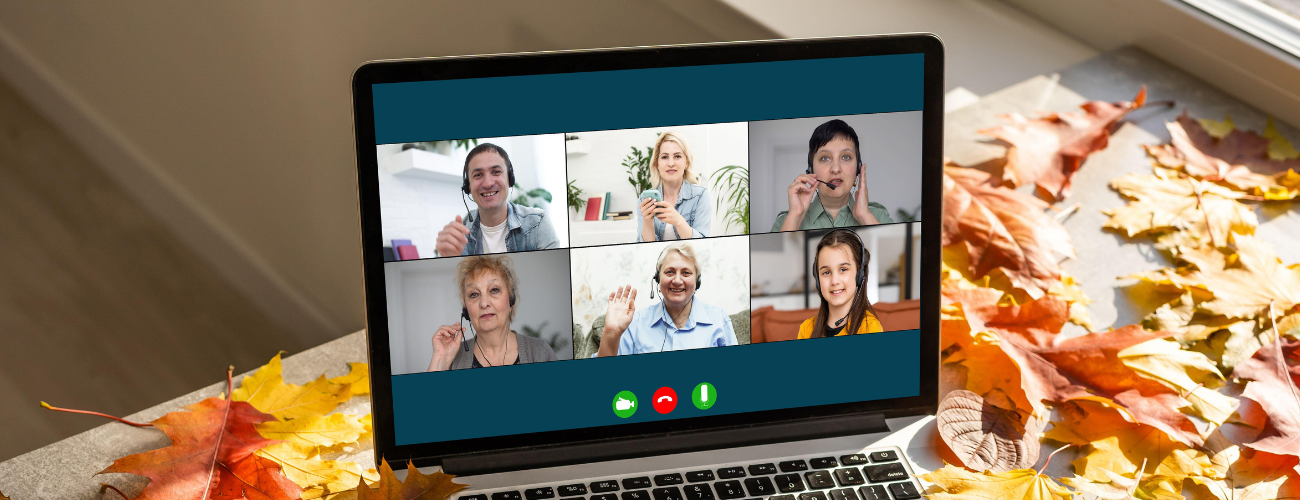
For decades, the journey of managing a chronic illness was often a lonely one, confined to the sterile walls of a doctor’s office or the private struggle within one’s home. However, the digital revolution has introduced a transformative force: online support groups. These virtual communities are doing more than just providing a place to chat; they are fundamentally reshaping the landscape of chronic disease management by moving care into the hands of the patients themselves.
By fostering a sense of community and providing real-time peer support, these platforms have turned the traditional “doctor-knows-best” model into a collaborative effort. Today, the collective power of patient communities is proving that social connection is just as vital as clinical intervention.
The Health Academy: Our Expertise in Safe Online Peer Support
This exploration into the life-changing impact of digital communities is brought to you by The Health Academy, a trusted digital hub dedicated to empowering individuals with credible, evidence-based health knowledge. Recognising that online support groups are now a pillar of modern health self management, our mission is to provide authoritative, actionable resources to help you navigate these spaces safely.
We deliver the necessary expertise to help readers understand the nuances of lived experience expertise and the importance of health literacy in a digital age. We bring together a community of health enthusiasts, professionals, and curious readers who seek to improve their wellbeing, ensuring that our information on finding reliable online peer support is always accurate, reliable, and grounded in the latest digital health trends.
Beyond the Clinic: The Evolution of Online Support Groups
The earliest iterations of online support groups were simple message boards and listservs. Today, they have evolved into sophisticated, multi-platform ecosystems including social media groups, dedicated health apps, and moderated health forums. This evolution has bridged the gap between scheduled medical appointments, providing a 24/7 safety net for those navigating complex health journeys.
From Passive Patients to Empowered “E-Patients”
The rise of the “e-patient” individuals who are equipped, enabled, empowered, and engaged in their health is a direct result of virtual support. In these digital spaces, patient empowerment is the primary currency. Instead of being passive recipients of a treatment plan, e-patients use online support groups to engage in information seeking behavior. They arrive at consultations with their GPs armed with data, questions, and a deeper understanding of their condition, fundamentally changing the dynamic of the patient-provider relationship.
The Reshaping of Care: Why Online Support Groups Matter
The true value of these groups lies in their ability to provide what a clinical setting often cannot: constant, empathetic, and practical lived experience.
Breaking Emotional Isolation: The Power of Peer Validation
Chronic illness frequently leads to profound “social shrinking” and isolation. Online support groups provide essential psychosocial support, offering a space where symptoms are validated rather than questioned. This peer connection builds emotional resilience, as members realise they are not alone in their struggle. Seeing others thrive despite similar challenges provides a unique form of hope that clinical statistics simply cannot replicate.
Filling the Information Gap: Shared Wisdom for Daily Life
While doctors provide the “what” of a condition, online support groups provide the “how.” This is known as instrumental support. Members share practical tips such as how to manage specific side effects of a medication, which shoes are best for neuropathy, or how to navigate the NDIS in Australia. This lived experience expertise fills the gaps in daily care that are often too granular for a standard 15-minute medical consultation.
Enhancing the Australian Healthcare Model Through Digital Communities
In Australia, the integration of digital tools is a core component of the National Digital Health Strategy 2023 2028. The government recognises that online support groups can alleviate the burden on the public health system by promoting proactive health self management.
Complementing Professional Care: The “Expert Patient” Model
The “Expert Patient” is someone who has lived with a condition long enough to become a master of their own care. When these individuals mentor others in online support groups, it creates a sustainable model of peer support that complements professional medical advice. This model aligns with the Australian shift toward shared medical appointments, where group learning and shared experiences are used to improve health outcomes across a community.
Improving Adherence and Outcomes Through Group Motivation
Research consistently shows that patients in online support groups demonstrate better adherence to treatment plans. This is largely due to appraisal support, where peers provide feedback and encouragement. When a group member shares a “win” such as a stable blood sugar reading or a successful morning walk it motivates the entire community to stay committed to their own health goals.
Navigating Risks: Identifying Reliable Online Support Groups
Despite the benefits, the digital world carries inherent risks. For online support groups to be effective, they must be approached with a critical eye.
Spotting Misinformation and Protecting Your Health Privacy
The spread of medical misinformation is a significant concern in unmoderated health forums. It is vital for users to distinguish between anecdotal “lived experience” and dangerous medical advice. Furthermore, consumer health advocacy groups emphasise the need for data privacy. Patients should be wary of platforms that “data-mine” their health discussions for advertising purposes. The Health Academy recommends looking for groups that are moderated by health professionals or established non-profit organisations to ensure a safe environment.
Embracing the Future of Community-Driven Care
As we look toward the future, the role of online support groups will only grow. They are no longer “alternative” care; they are a fundamental part of the shared medical decision making process. By combining the precision of modern medicine with the profound empathy of online peer support, we are creating a more holistic, resilient, and effective healthcare system for all Australians living with chronic conditions.
FAQs
Can online support groups replace my regular doctor?
Absolutely not. Online support groups are meant to complement your medical care, not replace it. Use them for emotional support and practical daily tips, but always consult your healthcare professional before making changes to your treatment plan.
How do I find a reliable group in Australia?
Look for groups associated with major national organisations like Diabetes Australia, The Heart Foundation, or Cancer Council. These are often moderated and follow the National Digital Health Strategy 2023 2028 guidelines for safety and privacy.
What should I do if I see medical misinformation in a group?
Most reputable online support groups have a “report” function. Use it to alert moderators. Avoid engaging with or sharing unverified medical claims that contradict standard clinical guidelines.
Are these groups private?
Privacy varies by platform. While many Facebook groups are “private,” the platform itself still collects data. For maximum privacy, look for dedicated virtual support platforms specifically designed for health discussions with end-to-end encryption.
Is “peer support” evidence-based?
Yes. Numerous clinical studies show that online peer support improves mental health outcomes, reduces hospitalisations, and increases a patient’s confidence in managing their own chronic illness.