
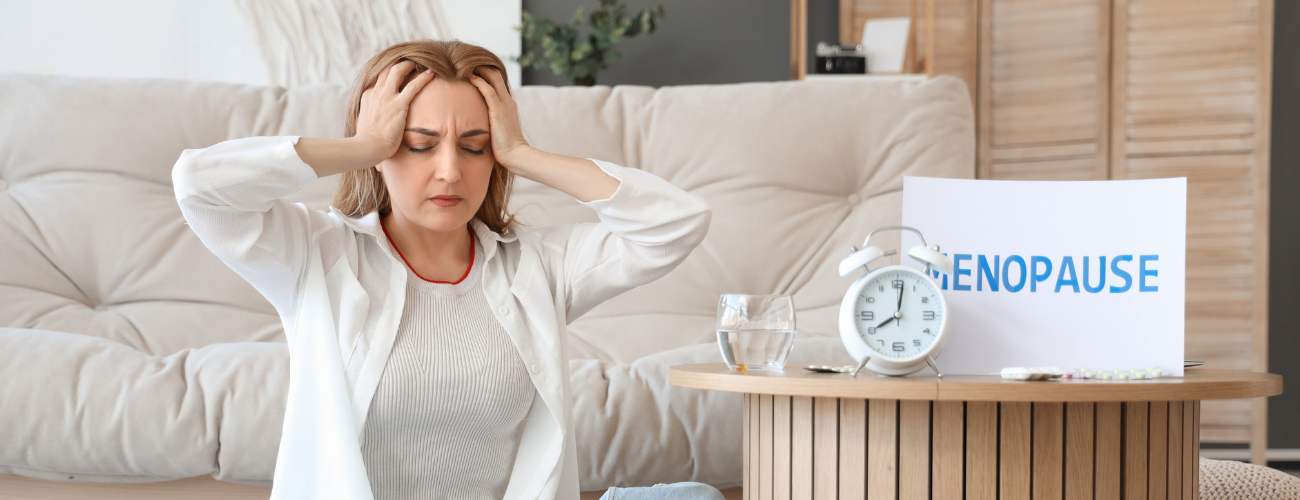
Menopause and perimenopause represent a pivotal stage in a woman’s life. As the body transitions, hormonal shifts influence physical, emotional, and cognitive health. The science of menopause has advanced significantly, offering insights into menopause symptoms, brain fog during menopause, anxiety and depression in menopause, and strategies for midlife wellness. Understanding these changes allows women to embrace this life phase proactively, employing preventive care, lifestyle adjustments, and natural remedies for menopause to maintain vitality and emotional balance.
The Health Academy: Your Trusted Digital Hub for Midlife Women's Health
This article on the hormonal and cognitive shifts of menopause and perimenopause is brought to you by The Health Academy, a trusted digital hub dedicated to empowering individuals with credible, evidence-based health knowledge. Navigating the science of menopause requires a sophisticated understanding of estrogen and progesterone balance, as well as proactive midlife wellness strategies. Our mission is to provide the authoritative resources needed to help women manage symptoms like brain fog, anxiety, and hot flashes with confidence. We bring together a community of health enthusiasts, professionals, and curious readers who seek to understand and improve their wellbeing, ensuring that our guidance on menopause care, natural remedies, and healthy aging is always accurate, reliable, and scientifically sound.
Science of Menopause: Understanding the Changes
Science of Menopause: What Happens During Menopause and Perimenopause
The science of menopause begins with understanding the biological changes that occur during menopause and perimenopause. Perimenopause is the transitional period leading up to menopause, typically beginning in the 40s but sometimes earlier. During this phase, fluctuations in estrogen and progesterone balance trigger symptoms such as irregular periods, hot flashes, night sweats, and sleep disturbances.
Menopause and perimenopause are also linked to cognitive changes. Brain fog during menopause can affect memory, concentration, and decision-making. These changes are closely tied to hormonal fluctuations, highlighting the importance of proactive midlife wellness strategies. Research confirms that acknowledging and managing these symptoms early can improve quality of life and reduce long-term health risks.
Lifestyle and nutrition play a crucial role in mitigating menopause symptoms. Diet rich in calcium, vitamin D, and phytoestrogens can support bone and cardiovascular health. Physical activity and stress management techniques help maintain energy, mental clarity, and emotional stability, emphasising the holistic approach central to the science of menopause.
Science of Menopause: The Role of Estrogen and Progesterone
Estrogen and progesterone balance is at the heart of the science of menopause. Estrogen decline leads to many classic menopause symptoms, including hot flashes, night sweats, vaginal dryness, and mood swings. Progesterone fluctuations can influence sleep quality and emotional health.
Hormonal changes also impact midlife women’s health by altering metabolism, increasing the risk of osteoporosis, and affecting cardiovascular function. Research shows that maintaining hormone balance through diet, exercise, and, when appropriate, medical interventions can significantly reduce symptoms and support overall well-being.
Natural remedies for menopause, such as phytoestrogen-rich foods, herbal supplements, and stress reduction techniques, can support estrogen and progesterone balance. Combining these approaches with lifestyle adjustments offers women practical tools for navigating perimenopause and menopause effectively.
Science of Menopause: Mood and Mental Health
Science of Menopause: Hormonal Impact on Mood Swings
Hormonal fluctuations during menopause and perimenopause significantly influence emotional health. Estrogen and progesterone imbalances can lead to anxiety and depression in menopause, irritability, and emotional lability. Understanding the science of menopause helps women recognise that mood swings are biologically driven and manageable.
Mind-body interventions, such as mindfulness meditation, yoga, and breathing exercises, support emotional regulation. Additionally, maintaining social engagement and physical activity enhances resilience against anxiety and depression in menopause. Evidence suggests that addressing hormonal changes while implementing these interventions can improve midlife wellness and mental clarity.
Managing Anxiety, Depression, and Brain Fog During Menopause
Brain fog during menopause is a common concern affecting concentration, memory, and mental sharpness. The science of menopause links these cognitive changes to declining estrogen and progesterone, which influence neurotransmitter activity and cerebral blood flow. Lifestyle interventions including cognitive training exercises, balanced nutrition, and regular physical activity can mitigate these symptoms.
Managing anxiety and depression in menopause requires a combination of approaches. Lifestyle strategies, counseling, and natural remedies for menopause, such as herbal supplements or acupuncture, can provide relief. When necessary, medical interventions guided by a healthcare professional ensure safety and effectiveness.
Science of Menopause: Midlife Wellness and Preventive Care
Science of Menopause: Lifestyle Adjustments for Healthy Aging
Midlife wellness involves proactive health management. The science of menopause emphasises diet, exercise, sleep, and stress reduction as key preventive measures. Regular physical activity, including strength training, cardio, and flexibility exercises, supports bone density, cardiovascular health, and cognitive function, all critical components of midlife wellness.
Diet and longevity strategies, such as consuming calcium-rich foods, omega-3 fatty acids, and antioxidants, play a vital role. Avoiding processed foods and managing weight contribute to a preventive lifestyle. Integrating these strategies allows women to address menopause symptoms, reduce the risk of chronic diseases, and enhance overall quality of life.
Holistic Approaches to Menopause Care
Holistic preventive care is central to the science of menopause. Approaches that combine nutrition, exercise, mental wellness, and natural remedies for menopause offer comprehensive support. Mindfulness, acupuncture, herbal therapies, and social engagement all contribute to managing menopause and perimenopause effectively.
These holistic interventions not only alleviate symptoms such as hot flashes and night sweats but also strengthen midlife women’s health and emotional resilience. By viewing menopause as a stage for preventive care rather than simply symptom management, women can embrace midlife as a period of growth and wellness.
Science of Menopause: Advances and Future Directions
Emerging Treatments and Therapies in the Science of Menopause
The science of menopause has evolved, leading to innovative treatments for menopause symptoms. Hormone replacement therapy (HRT), selective estrogen receptor modulators (SERMs), and non-hormonal interventions provide options for managing hot flashes and night sweats, night sweats, and mood changes. Personalised treatment plans are informed by age, medical history, and symptom severity.
Research in menopause and perimenopause explores cognitive health, bone density, and cardiovascular risk management. Advances in natural remedies for menopause and integrative approaches complement conventional therapies, offering women choices that align with personal preferences and health goals.
Research and Future Directions in Menopause Care
Future directions in the science of menopause focus on precision medicine, improved hormone therapies, and preventive strategies for midlife wellness. Ongoing research examines how early interventions, lifestyle adjustments, and holistic care can enhance quality of life and reduce long-term health risks.
Emphasis on mental health, brain fog during menopause, and the management of anxiety and depression in menopause highlights the need for comprehensive care models. As the understanding of menopause expands, women gain access to more effective, personalised solutions for midlife health and beyond.
The science of menopause has transformed how women approach midlife wellness. By understanding menopause and perimenopause, managing menopause symptoms, supporting brain health, and employing natural remedies for menopause, women can navigate this life stage with confidence. Focusing on estrogen and progesterone balance, mental wellness, and holistic preventive care allows midlife women to maintain quality of life, reduce chronic disease risk, and embrace longevity.
A proactive approach that integrates midlife wellness strategies, healthy lifestyle routines, and emerging therapies ensures that women are empowered to thrive during menopause and beyond. The science of menopause offers actionable insights, enabling women to make informed decisions and take control of their health at every stage.
FAQs
What is the science of menopause?
The science of menopause studies the biological and hormonal changes women experience during menopause and perimenopause. It informs strategies for managing menopause symptoms, brain fog during menopause, and anxiety and depression in menopause.
How do estrogen and progesterone affect menopause symptoms?
Estrogen and progesterone balance influences hot flashes, night sweats, mood swings, and cognitive function. Maintaining hormonal balance through diet, exercise, and, when needed, medical therapies improves midlife wellness.
What are natural remedies for menopause?
Natural remedies for menopause include phytoestrogen-rich foods, herbal supplements, mindfulness, yoga, and lifestyle adjustments. These strategies support hormonal balance, reduce menopause symptoms, and enhance overall midlife wellness.
How can I manage brain fog during menopause?
Cognitive exercises, quality sleep, balanced nutrition, and stress reduction are key strategies. The science of menopause emphasises that early interventions can prevent cognitive decline and improve mental clarity.
What lifestyle changes support midlife wellness?
Physical activity, healthy diet, stress management, adequate sleep, and social engagement are essential. These healthy lifestyle routines reduce menopause symptoms and promote overall midlife women’s health.
When should I seek medical interventions for menopause?
If menopause symptoms significantly affect daily life, consulting a healthcare provider is recommended. Emerging therapies, including HRT and non-hormonal interventions, may provide relief while supporting overall midlife wellness.