
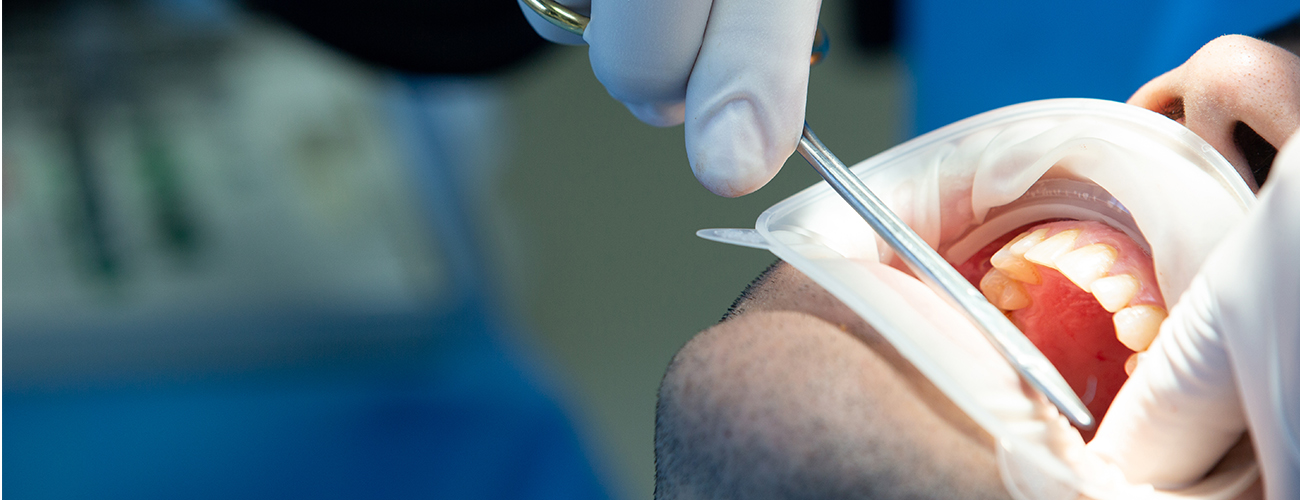
Jaw tumours like ameloblastoma jaw can significantly impact both oral function and facial aesthetics. Advances in jaw reconstruction surgery have made it possible to restore both form and function after surgical removal. This article explores ameloblastoma treatment options with a focus on free-flap jaw reconstruction, illustrating how modern techniques improve patient outcomes.
The Health Academy: Your Source for Advanced Surgical Knowledge
This in-depth case study on Free-Flap Jaw Reconstruction is brought to you by The Health Academy, a trusted digital hub dedicated to empowering individuals with credible, evidence-based health knowledge. Recognizing the complex and life-changing nature of jaw reconstruction surgery, our mission is to provide authoritative resources that clarify advanced surgical techniques and patient outcomes. We bring together a community of health enthusiasts, professionals, and curious readers who seek to understand and improve their wellbeing, ensuring the detailed information provided on ameloblastoma treatment options and microsurgery is accurate and reliable for informed decision-making.
What Is Ameloblastoma?
Ameloblastoma is a rare, slow-growing tumour that usually arises in the jawbones, most commonly the mandible. Although it is generally benign, it can be locally aggressive, destroying bone and affecting teeth alignment.
Patients with ameloblastoma jaw may experience swelling, jaw deformity, or tooth displacement. Early detection is essential because larger tumours require more extensive surgery, which can significantly impact both appearance and oral function.
Why Surgery Is Needed: Ameloblastoma Resection
Surgical removal, or ameloblastoma resection, is the primary treatment for this condition. The goal is complete tumour excision with a margin of healthy tissue to prevent recurrence.
Depending on tumour size and location, ameloblastoma treatment options may range from conservative enucleation to extensive resection. While necessary, removing a portion of the jaw can leave a significant defect, making mandibular reconstruction essential for restoring chewing, speaking, and facial symmetry.
What Is Free-Flap Jaw Reconstruction?
Free-flap jaw reconstruction is a sophisticated maxillofacial surgery technique where tissue, including bone, muscle, and skin, is transplanted from another part of the body to rebuild the jaw. Unlike local flaps, a free flap is completely detached and reconnected via microsurgery, restoring blood supply.
Common donor sites include the fibula (leg bone), iliac crest (hip), and radial forearm. This approach enables precise mandibular reconstruction, allowing placement of dental implants later for full functional rehabilitation.
The Surgical Procedure: Step by Step
The procedure typically involves several stages:
- Tumour Resection: The surgeon removes the ameloblastoma jaw tumour along with a margin of healthy bone.
- Defect Measurement: The jaw defect is carefully measured to ensure the free flap will fit precisely.
- Harvesting the Free Flap: Tissue is taken from a donor site, often the fibula, including bone, skin, and sometimes muscle.
- Transplantation and Reconnection: The flap is positioned in the jaw defect, and microsurgery is used to reconnect blood vessels.
- Fixation and Stabilisation: Plates and screws are used to stabilise the flap and restore jaw alignment.
- Optional Dental Implants: After healing, dental implants can be placed to restore teeth and improve chewing ability.
This meticulous approach allows jaw reconstruction surgery to achieve both functional and aesthetic goals.
Recovery and Rehabilitation
Recovery after free-flap jaw reconstruction requires careful monitoring. Hospital stays typically last 7–14 days, during which doctors check for blood flow to the flap and monitor healing.
Rehabilitation includes:
- Gradual reintroduction of oral intake and a soft diet
- Physiotherapy to maintain jaw movement and function
- Pain management and infection prevention
- Speech therapy, if necessary
Patients may also work with a dietitian to ensure adequate nutrition during recovery.
Patient Outcomes and Quality of Life
When successful, mandibular reconstruction dramatically improves quality of life. Patients regain the ability to eat, speak, and smile confidently. The combination of jaw reconstruction surgery and dental implants allows for near-normal oral function and appearance.
Long-term outcomes also depend on regular follow-up to monitor for tumour recurrence. Studies have shown that patients who undergo free-flap reconstruction report high satisfaction with both aesthetics and function.
Risks and Complications
As with any major surgery, risks exist. Potential complications of maxillofacial free-flap reconstruction include:
- Flap failure due to blood supply issues
- Infection or wound breakdown
- Nerve injury causing numbness or altered sensation
- Scarring at the donor site
- Difficulty in dental implant placement if bone healing is insufficient
Despite these risks, advances in surgical technique have made complications increasingly rare, and careful planning reduces their likelihood.
Innovations in Jaw Reconstruction
Recent innovations have improved jaw reconstruction surgery outcomes:
- 3D imaging and surgical planning allow precise flap shaping before surgery
- Computer-aided design (CAD) and printing create customised plates for fixation
- Virtual surgical planning helps predict functional and aesthetic outcomes
- Integration with dental implants enables immediate or early placement, restoring full oral function
These developments in maxillofacial surgery mean patients can achieve results that were previously unimaginable, both in function and appearance.
Ameloblastoma jaw tumours require careful surgical management. Free-flap jaw reconstruction provides a reliable solution to restore the jaw’s structure, function, and aesthetics. By combining precise mandibular reconstruction with modern innovations and dental implants, patients can regain their quality of life and confidence. This approach represents the forefront of jaw reconstruction surgery and underscores the importance of multidisciplinary care in ameloblastoma treatment options.
FAQs
What is ameloblastoma?
Ameloblastoma is a rare, benign but locally aggressive tumour that typically affects the jaw. It can cause swelling, pain, and tooth displacement. Early diagnosis is important to reduce the extent of surgery needed.
Why is jaw reconstruction surgery needed after ameloblastoma resection?
After removal of an ameloblastoma jaw tumour, there is often a large defect in the jawbone. Jaw reconstruction surgery, especially free-flap reconstruction, restores both function and facial appearance, allowing patients to chew, speak, and smile normally.
What is a free-flap jaw reconstruction?
A free-flap jaw reconstruction involves transplanting bone, muscle, and skin from another part of the body (like the fibula) to the jaw. Microsurgery reconnects blood vessels to ensure the transplanted tissue survives. This method is often used in complex mandibular reconstruction cases.
Can I get dental implants after jaw reconstruction?
Yes. Once the reconstructed jaw has fully healed, dental implants can be placed to restore teeth. This allows for improved chewing, speech, and overall oral function.
How long is the recovery after jaw reconstruction surgery?
Initial hospital recovery usually takes 1–2 weeks. Full healing, including bone integration and readiness for dental implants, may take several months. Patients also undergo physiotherapy, dietary adjustments, and sometimes speech therapy.
What are the risks and complications?
Potential complications of maxillofacial free-flap reconstruction include:
- Flap failure or poor blood supply
- Infection or wound issues
- Nerve damage causing numbness
Donor site scarring
Most risks are minimized by careful surgical planning and post-operative care.